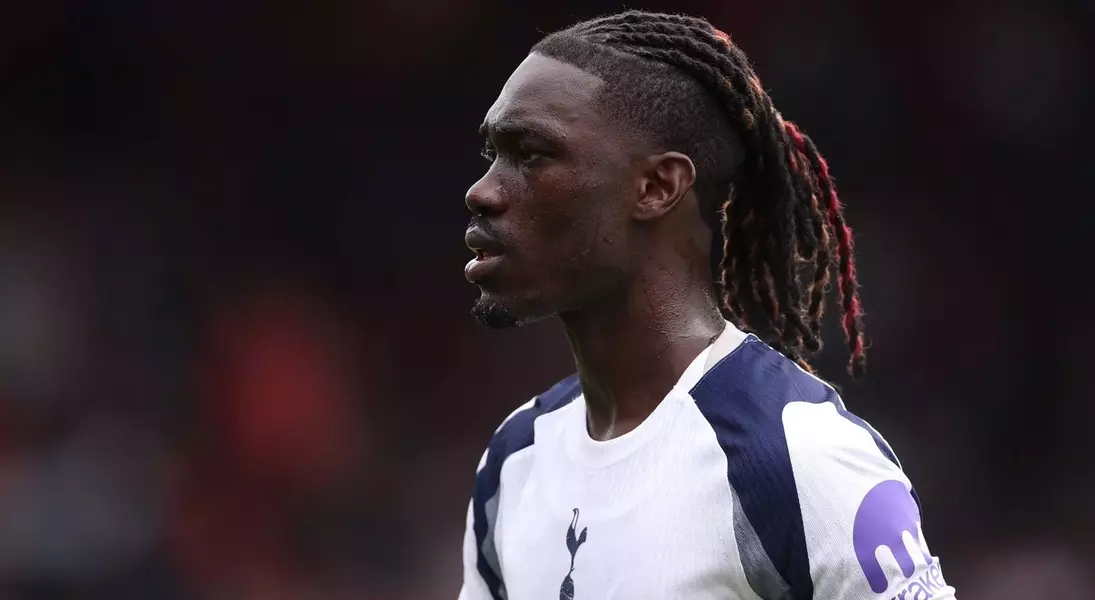


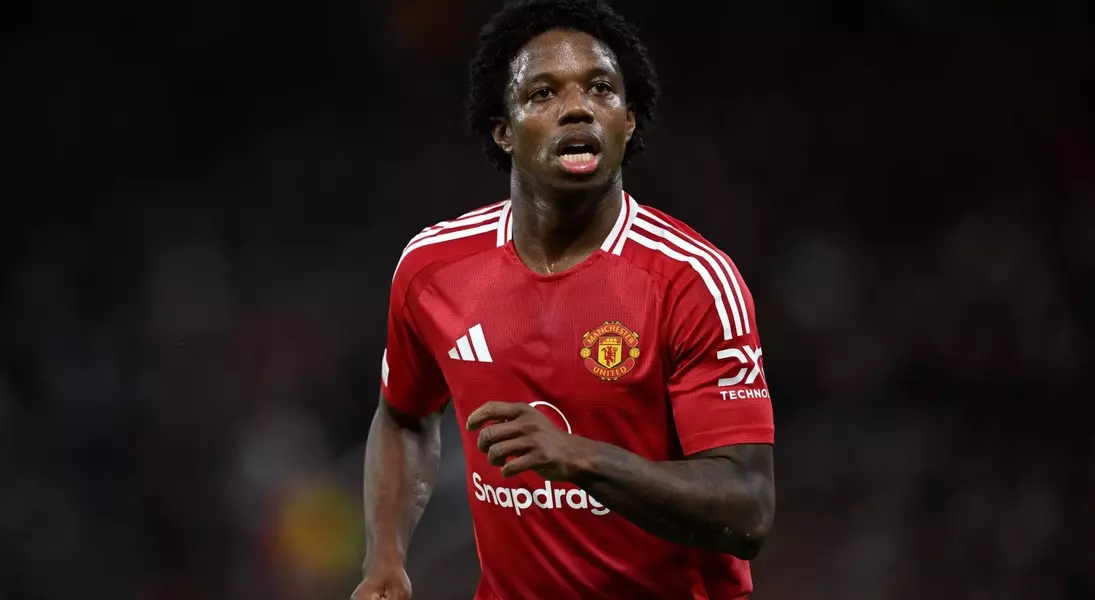
The Premier League has officially unveiled the final squad lists for all its clubs, a declaration that has sparked considerable discussion due to numerous intriguing selections and omissions. This comprehensive review examines the most noteworthy aspects of each team's 25-player roster, providing insight into the strategic considerations, player movements, and injury situations that have shaped these crucial decisions. The revealed lineups offer a fascinating glimpse into the current state and future ambitions of each club as they gear up for the competitive season ahead.
Key themes emerging from the squad announcements include the strategic handling of long-term injuries, the integration of new signings, the fate of players who were expected to depart, and the reliance on homegrown talent. These decisions underscore the diverse approaches clubs are taking to balance competitive aspirations with financial realities and player development. The insights gleaned from these rosters are vital for understanding the tactical landscapes and potential dynamics of the forthcoming Premier League campaign.
Strategic Roster Decisions and Player Dynamics
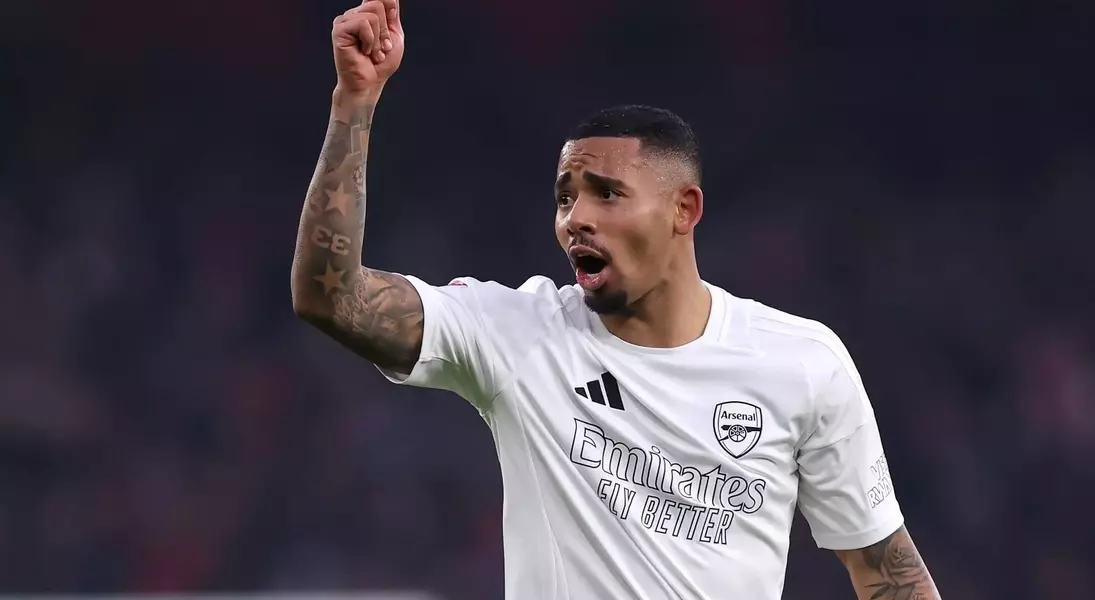
The release of the Premier League squad lists has illuminated several intriguing player dynamics and strategic choices across the clubs. For instance, Arsenal's inclusion of Gabriel Jesus in their Premier League squad, despite his absence from the Champions League A List due to a long-term injury, signals their anticipation for his mid-season return and underscores his importance to the team's domestic campaign. This decision reflects a careful balancing act between immediate competition needs and long-term player recovery. Similarly, Aston Villa's roster reveals a focus on replacing outgoing players, with the notable inclusion of Emiliano Martinez after his near-departure, indicating the club's commitment to retaining key figures despite transfer market speculation.
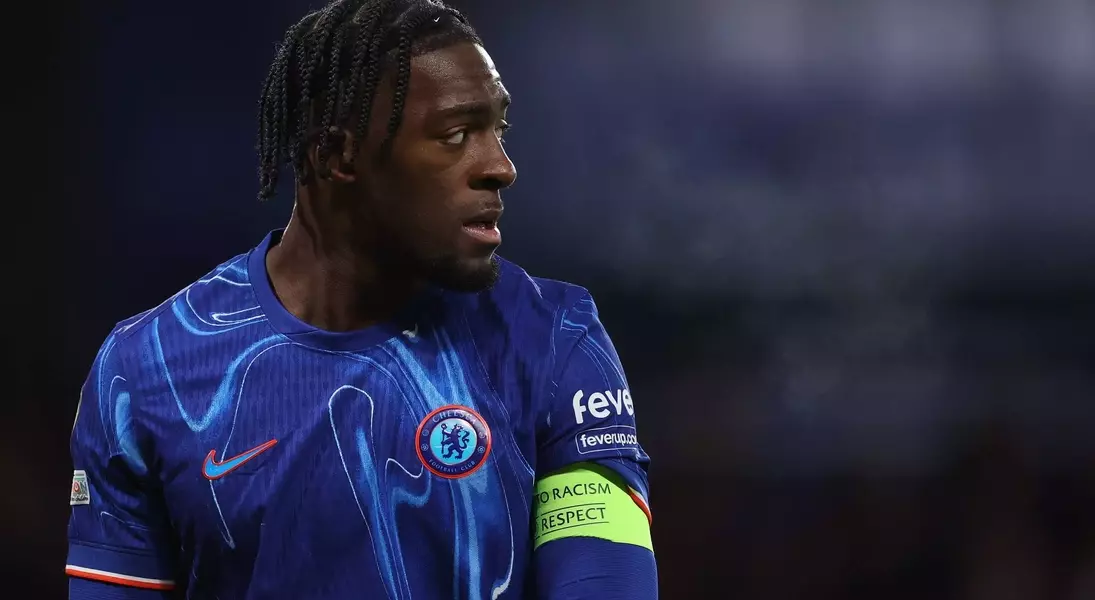
Meanwhile, other clubs like Chelsea and Manchester City have made tough calls regarding high-profile players. Chelsea's decision to include Raheem Sterling, Axel Disasi, and David Datro Fofana on their list, despite instructing them to train away from the main squad due to their availability for transfer, highlights a complex situation where players are registered but not actively integrated into first-team plans unless injury necessitates it. Manchester City's reintegration of Kalvin Phillips, after previous loan spells and limited playing time, raises questions about his potential role given the strong competition in midfield. These examples illustrate the diverse challenges clubs face in managing large squads, navigating transfer windows, and integrating players returning from injury or reintegrated after periods of uncertainty.
Injury Management and Homegrown Talent
A significant aspect of the recently announced Premier League squad lists revolves around clubs' strategies for managing injured players and their emphasis on homegrown talent. The inclusion of long-term injury victims such as Solly March and Adam Webster by Brighton & Hove Albion, and the positive registration of injured forwards like Enes Unal by Bournemouth, demonstrates a commitment to these players' recovery and future contributions. These decisions often involve complex evaluations of recovery timelines and the potential impact on squad depth, ensuring that valuable assets are retained and supported through their rehabilitation processes.
Furthermore, the reliance on homegrown players and under-21 talents is a recurring theme. Brighton's approach, with a smaller senior squad bolstered by a substantial number of under-21 players, exemplifies a focus on youth development and the integration of academy graduates into the first-team structure. Wolves, on the other hand, face a challenge in meeting the homegrown quota, with several registered players having limited Premier League experience, reflecting a broader issue of balancing experienced foreign talent with locally developed players. These diverse strategies highlight the ongoing tension between adhering to league regulations, fostering young talent, and maintaining a competitive edge in one of the world's most demanding football leagues.
