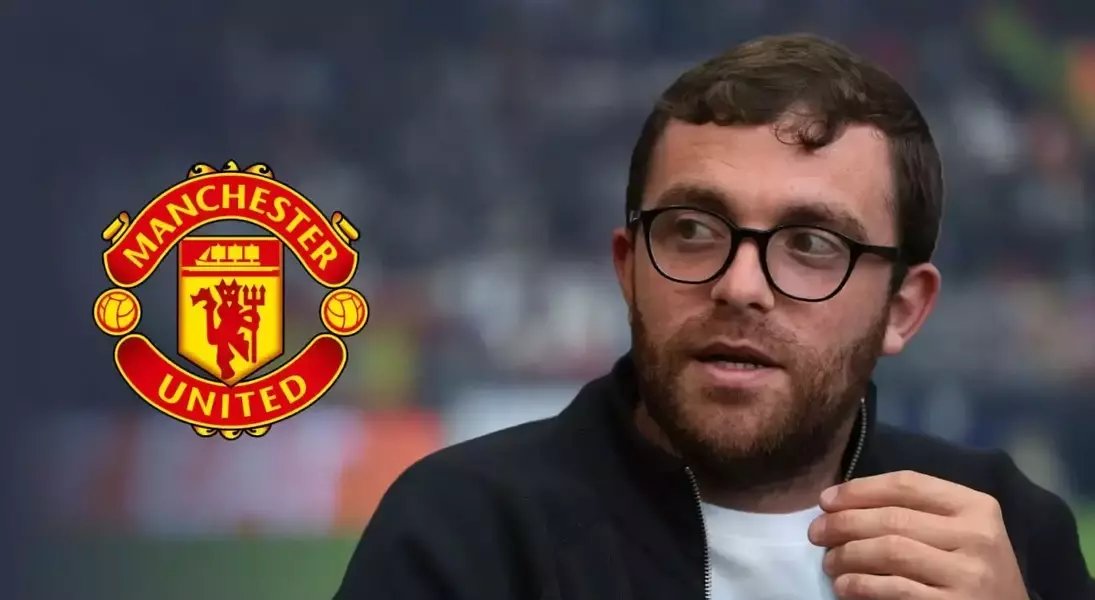
Football transfer expert Fabrizio Romano has recently indicated a significant shift in the landscape for Manchester United, with midfielder Casemiro potentially seeking new horizons in 2026. This development comes as the club navigates a turbulent period, marked by substantial squad overhauls and a challenging start to their current season. The veteran Brazilian's future has been a topic of much discussion, especially considering his pivotal role and considerable remuneration within the team's financial structure. As the club looks towards strategic fiscal management and team restructuring, Casemiro's high salary is noted as a factor that could influence future decisions, making his potential departure a key element in Manchester United's evolving strategy.
Football Maestro Casemiro's Future at Manchester United Revealed by Insider Romano
In a recent disclosure, acclaimed transfer specialist Fabrizio Romano shed light on the potential exit of Brazilian midfield anchor Casemiro from Manchester United, pinpointing the year 2026 as a crucial juncture. Speaking on his YouTube channel, Romano highlighted a \"concrete chance\" for Casemiro to explore new opportunities beyond his current tenure at Old Trafford. This revelation arrives amidst a period of significant transition for the Manchester club, which saw them invest approximately £230 million in the recent transfer market after a challenging 2024/25 season. Notable acquisitions included Benjamin Sesko, Bryan Mbeumo, Matheus Cunha, and Senne Lammens, while high-profile players like Marcus Rashford, Alejandro Garnacho, Rasmus Hojlund, Antony, and Jadon Sancho moved on.
Despite these substantial changes, early indications suggest the Red Devils continue to grapple with underlying issues. Under the new leadership of Ruben Amorim, the team's performance has been inconsistent, with Amorim already being cited among the favorites for an early managerial departure in the Premier League following a surprising Carabao Cup exit at the hands of Grimsby Town. The midfield, in particular, remains an area of concern; a new partnership between Casemiro and Bruno Fernandes has yet to fully cohere, and efforts to sign Carlos Baleba from Brighton did not materialize.
While Casemiro had been linked with a move to the Saudi Pro League in recent months, he ultimately chose to stay with Manchester United. His current contract is set to conclude in 2026, though the club retains an option to extend it for an additional year under the same terms until 2027. Romano's insights suggest that Casemiro might seek a different challenge from 2026, possibly concluding his high-level European football career. This decision, while not yet finalized, is gaining traction within football circles, aligning with the club’s potential strategy to manage its wage bill and adhere to Financial Fair Play regulations. A report from GOAL earlier in the week clarified Casemiro's immediate decision to stay, indicating his desire to maintain a strong presence for Brazil in the upcoming World Cup, viewing his continued strong performance in the Premier League as essential to his national team aspirations under manager Carlo Ancelotti.
From a fan's perspective, the potential departure of a player of Casemiro's caliber, even in 2026, signals the persistent challenges Manchester United faces in building a cohesive and successful team. The constant churn of players and managerial uncertainty suggest a deeper systemic issue within the club. While financial considerations are undeniably important, the focus should also be on fostering a stable environment where new signings can truly integrate and thrive, rather than constantly overhauling the squad. The club's struggles, despite significant investment, highlight that success in football extends beyond mere spending; it requires strategic planning, consistent leadership, and effective player development. The evolving situation around Casemiro serves as a poignant reminder that even seasoned stars can become part of the broader narrative of a club in flux, underscoring the complexities of modern football management.
