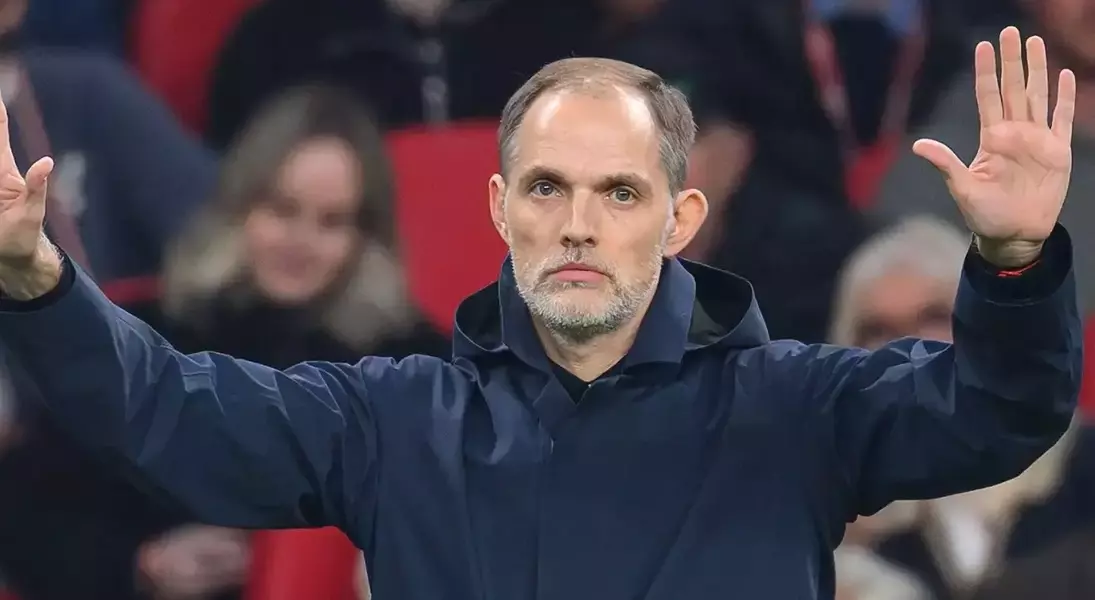
England's managerial position under Thomas Tuchel has been marked by a recurring challenge concerning squad selection, particularly in midfield. The re-introduction of veteran player Jordan Henderson to the national team roster has ignited considerable debate among fans and analysts. This situation highlights a persistent issue for national team coaches: balancing the inclusion of experienced, albeit divisive, figures with the integration of promising younger talents. It underscores the perpetual tension between established players and the need to foster the next generation, a dilemma that echoes throughout the history of international football management. The strategic decisions made in this area will undoubtedly shape the team's performance and public perception in the coming competitive fixtures.
Since assuming the role in March, following Lee Carsley's tenure, Thomas Tuchel's decision to recall Jordan Henderson has been met with significant controversy. Henderson, a former Liverpool captain, appeared to have concluded his international career after being omitted from the Euro 2024 squad. However, his immediate reinstatement under Tuchel, marking his first national call-up in over a year, provoked strong reactions.
Critics frequently point to Henderson's underwhelming performances during his time at Ajax and his contentious move to Saudi Arabian club Al-Ettifaq in the summer of 2023. This transfer, viewed by many as a departure from his previously principled leadership at Anfield, significantly eroded his public standing. After just six months, he returned to European football, but the damage to his reputation persisted.
Henderson's consistent selection across three consecutive squads under Tuchel has intensified the debate, particularly given the strength of England's midfield, which already boasts key players like Declan Rice and Jude Bellingham. Furthermore, the presence of rising stars such as Adam Wharton and Kobbie Mainoo means that opportunities for younger players are increasingly limited.
Former Liverpool forward Emile Heskey, in a recent interview, articulated the widespread concern that Henderson's presence might be impeding the progress of other deserving players. Heskey noted that Tuchel faces a challenge that previous England managers have also encountered: ensuring that highly talented players replicate their club form on the international stage. He emphasized the importance of fostering a comfortable team environment where players can perform optimally. Heskey also referenced Gareth Southgate's man-management style, which prioritized team cohesion and connection to maximize performance for the national side.
With a series of upcoming fixtures, Tuchel has the opportunity to experiment with various tactical options. However, the imperative remains to secure victories, and the team must demonstrate strong offensive and defensive capabilities. The squad features notable attacking talents like Noni Madueke, Marcus Rashford, and Ollie Watkins, who are expected to support the main striker, Harry Kane. While Kane remains a central figure, other players must collaborate effectively with him to enhance the team's overall attacking prowess.
The debate surrounding Henderson's role continues to highlight the delicate balance Tuchel must strike. While Henderson brings valuable experience, his inclusion raises questions about whether he is inadvertently occupying a spot that could be used to blood younger players, giving them crucial exposure and a chance to establish themselves in the England first team. The central challenge for Tuchel is to cultivate an environment where players can translate their club performances into the national setup, allowing them to express their skills freely and collectively.
Ultimately, the England manager must navigate the complexities of squad composition, performance demands, and public sentiment. The decisions regarding veteran players versus emerging talents will be crucial for the team's immediate success and its long-term development. Achieving a harmonious balance that harnesses the full potential of every player will be key to overcoming this perennial managerial conundrum and guiding the national team to future triumphs.
