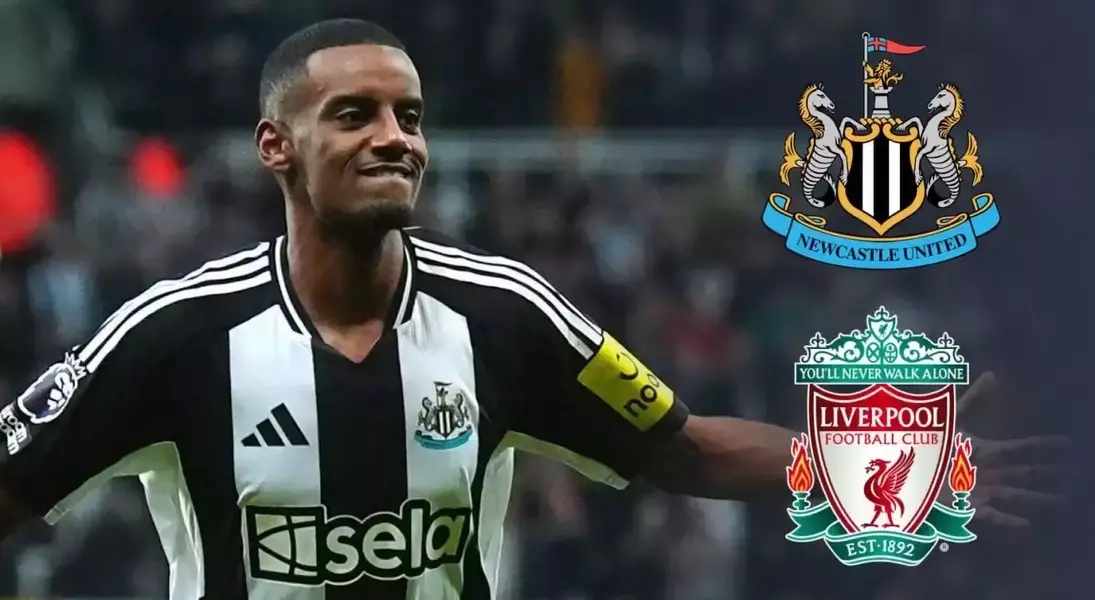
In the vibrant, often chaotic world of football transfers, rumors and unconfirmed reports frequently dominate the headlines, captivating fans with the promise of high-profile player movements. This piece scrutinizes the pervasive trend of speculative transfer news, particularly concerning the potential acquisition of Alexander Isak by Liverpool, the purported player clear-out at Manchester City, and the evolving situation around Bryan Mbeumo's future with Manchester United. It highlights the media's propensity to craft sensational headlines from scant or outdated information, illustrating how such practices can inflate expectations and distort the true nature of transfer negotiations. The article serves as a cautionary tale, urging readers to approach transfer whispers with a discerning eye and to prioritize verified news over clickbait. It unpacks the tactics employed by some outlets to maintain reader engagement, even when concrete details are scarce, thereby offering a behind-the-scenes look at the dynamic interplay between football, media, and public perception.
Unraveling the Latest Football Transfer Sagas
In the bustling sphere of football journalism, a recurring theme is the relentless pursuit of transfer scoops, often leading to a cascade of speculative reports. A prime example is the swirling buzz around Newcastle United's formidable striker, Alexander Isak, and a potential monumental move to Liverpool. Media outlets, particularly the Mirror, have been keen to link the talented Swede with the Merseyside giants. However, a closer look reveals that much of this speculation hinges on comments made by Isak himself in January 2024, nearly two years prior, where he praised Anfield's atmosphere, calling it one of the toughest away grounds. This retrospective quoting, disguised as current sentiment, fuels the narrative of an almost \"done deal,\" showcasing how past remarks can be repackaged to fit contemporary transfer narratives.
Meanwhile, the transfer window buzz extends to the blue half of Manchester, where Manchester City is reportedly preparing for a significant squad overhaul. Initial reports suggested up to six players could be on their way out. Yet, upon closer inspection, the list includes emerging talents like Nico O'Reilly, Claudio Echeverri, and Oscar Bobb, whose potential departures are more likely loan moves rather than outright sales, and one of whom, Bobb, is noted as unlikely to leave this summer. This discrepancy highlights how player classifications can be exaggerated to create a sense of dramatic change, blurring the lines between established stars and promising academy prospects.
Further south, at Old Trafford, the saga of Bryan Mbeumo's prospective transfer to Manchester United continues to unfold, albeit with its own share of media-induced twists. The Manchester Evening News, for instance, headlined a piece implying a breakthrough in Mbeumo's transfer. Yet, the core of the report actually concerned Brentford's activation of Omari Hutchinson's release clause, a development only tangentially related to Mbeumo. This exemplifies how unrelated events can be cleverly woven into a primary transfer narrative to maintain reader interest, even when direct links are tenuous at best.
These instances collectively paint a picture of a media landscape where the urgency of breaking news often overshadows the meticulous verification of facts. The desire for \"clicks gold\" appears to drive a cycle of reports where the sensationalism of a headline takes precedence over the substance of the story, particularly in the frenetic environment of football's transfer market.
From a journalist's perspective, this landscape presents both an opportunity and a challenge. The pressure to deliver captivating content is immense, yet it's crucial to resist the temptation to prioritize sensationalism over accuracy. The constant churn of transfer rumors, often based on recycled quotes or speculative interpretations, highlights the need for a more rigorous approach to sports reporting. Readers, in turn, are encouraged to develop a critical eye, questioning the provenance and context of transfer stories. It's a reminder that in the fast-paced world of football news, not every headline reflects a concrete reality, and many are designed simply to pique interest rather than inform. Ultimately, fostering a more informed and skeptical readership is key to navigating the intricate web of transfer market narratives.
