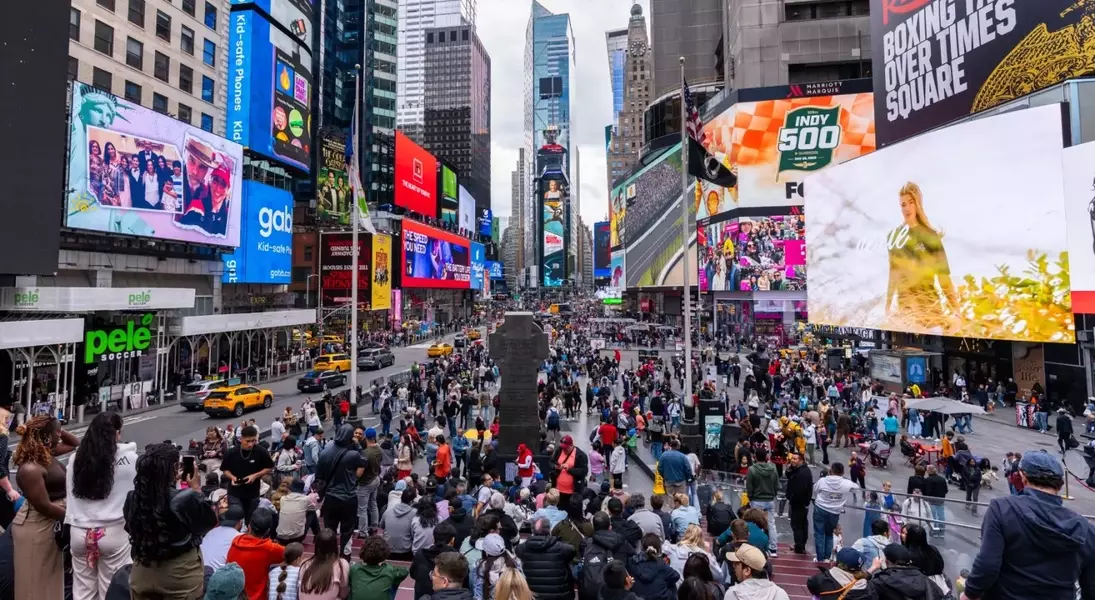
A high-profile proposal to construct a casino and resort valued at $5.4 billion in New York City's iconic Times Square district has been turned down by city authorities. This ambitious undertaking, which included support from prominent entities such as Roc Nation, Caesars Entertainment, and SL Green, faced significant community opposition leading to its ultimate rejection. The decision underscores the complexities and local sensitivities involved in large-scale urban development projects, particularly those with a significant impact on existing cultural and residential landscapes.
The denial of the Times Square casino project represents a victory for community activists and local businesses who voiced strong concerns over its potential impact. This outcome highlights the power of grassroots opposition and the importance of considering diverse stakeholder perspectives in urban planning. The rejection also marks a setback for the developers and their celebrity backers, who had envisioned a transformative economic boost for the area. The debate surrounding this proposal sheds light on ongoing discussions about balancing economic development with community preservation and cultural identity in major metropolitan areas.
Community Resistance Leads to Casino Project's Downfall
New York City's Community Advisory Committee recently voted against the establishment of a $5.4 billion casino and resort in Times Square, a venture supported by Jay-Z's Roc Nation, Caesars Entertainment, and SL Green. The decision, which saw four committee members vote in opposition and two in favor, reflected significant resistance from local residents and Broadway industry groups. Opponents argued that the casino would negatively impact the unique cultural atmosphere of Times Square and disrupt the livelihoods of those dependent on the existing arts and entertainment sector. The committee's role is to assess local support for such proposals, and the overwhelming community voice against the project ultimately influenced their ruling.
The proposed Caesars Palace Times Square casino sparked a heated debate between proponents, who emphasized economic benefits and job creation, and detractors, who prioritized the preservation of Times Square's character and the Broadway community's interests. Roc Nation CEO Desiree Perez criticized the decision, suggesting a lack of political courage, while SL Green's Marc Holliday expressed strong disapproval, calling the committee's actions 'despicable.' Conversely, Jason Laks, president of the Broadway League, lauded the outcome, stating it safeguarded Broadway's magic and the tens of millions who visit annually. This rejection, alongside another casino proposal for Manhattan's far west side, signals a clear message from New York City regarding gambling establishments in culturally sensitive areas, with only one remaining Manhattan proposal still under consideration.
Balancing Development with Local Preservation
The rejection of the Times Square casino project by New York City officials highlights the significant challenge of balancing large-scale development interests with the preservation of local community and cultural heritage. Despite the substantial economic investment and high-profile backing, including from Roc Nation and Caesars Entertainment, the project encountered strong opposition from residents and Broadway groups. This demonstrates a growing sentiment that urban development must align with community values and protect existing cultural ecosystems, rather than solely focusing on economic gains. The community advisory committee's decision reflects a broader trend of prioritizing local concerns in urban planning.
This outcome underscores a critical discussion regarding the future direction of urban development in culturally rich areas like Times Square. The proponents, who included influential figures and major corporations, had aimed to inject new economic vitality into the district. However, the vociferous arguments from local residents and the Broadway League, emphasizing the potential for increased traffic, crime, and the erosion of the area's unique identity, ultimately swayed the decision-makers. The unanimous celebration by the casino's opponents, particularly those from the arts community, reinforces the idea that the city's cultural landscape is considered invaluable and warrants robust protection against developments perceived as detrimental to its character and the livelihoods it supports.
