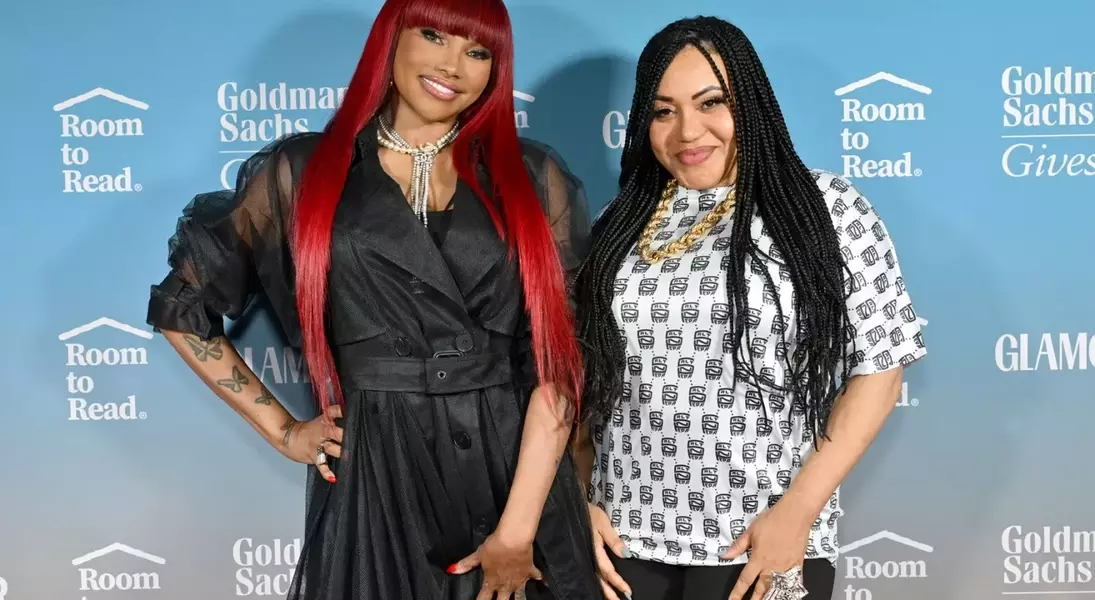
In a significant legal challenge, the legendary hip-hop duo Salt-N-Pepa, comprising Cheryl \"Salt\" James and Sandra \"Pepa\" Denton, are actively pursuing legal action against Universal Music Group. Their dispute centers on the ownership of their master recordings, which they contend should revert to their control after a period of 35 years as stipulated by copyright law. This ongoing legal struggle highlights the complexities and contentious nature of intellectual property rights within the music industry, particularly for artists seeking to regain control over their creative works decades after their initial release.
The artists initiated a federal lawsuit in May, asserting that Universal Music Group, through its subsidiaries Next Plateau Records and London Records, has violated the Copyright Act by not honoring their termination notices filed in 2022. These notices aimed to reclaim the master rights for contracts originally signed in 1986 and 1992. Universal Music Group, however, has countered these claims, arguing that Salt-N-Pepa lack the right to exercise these termination provisions because they were not the direct signatories of the original contracts. This legal back-and-forth has been further complicated by Salt-N-Pepa's allegations that UMG has taken punitive measures, including removing their music from various streaming platforms, which the duo's legal representatives have characterized as a \"stunning act of retaliation.\"
As this legal contest unfolds, Salt-N-Pepa are not only seeking to repossess their master rights but also demanding substantial financial compensation, with potential damages exceeding $1 million. They are advocating for a permanent injunction that would definitively establish their ownership of the recorded songs, expressing a desire for an amicable resolution to the dispute. This case underscores a broader issue within the music industry regarding artists' long-term control and benefits from their creative output, emphasizing the importance of legal frameworks that support artists' rights and ensure fair compensation.
This ongoing battle serves as a powerful reminder of the enduring fight for artistic autonomy and fair play in the entertainment world. It highlights the courage of artists who stand up for their rights, demonstrating that perseverance and a commitment to justice can challenge even the most entrenched industry practices. This pursuit not only benefits the artists directly involved but also sets a precedent for future generations, inspiring a more equitable and artist-centric creative landscape.
