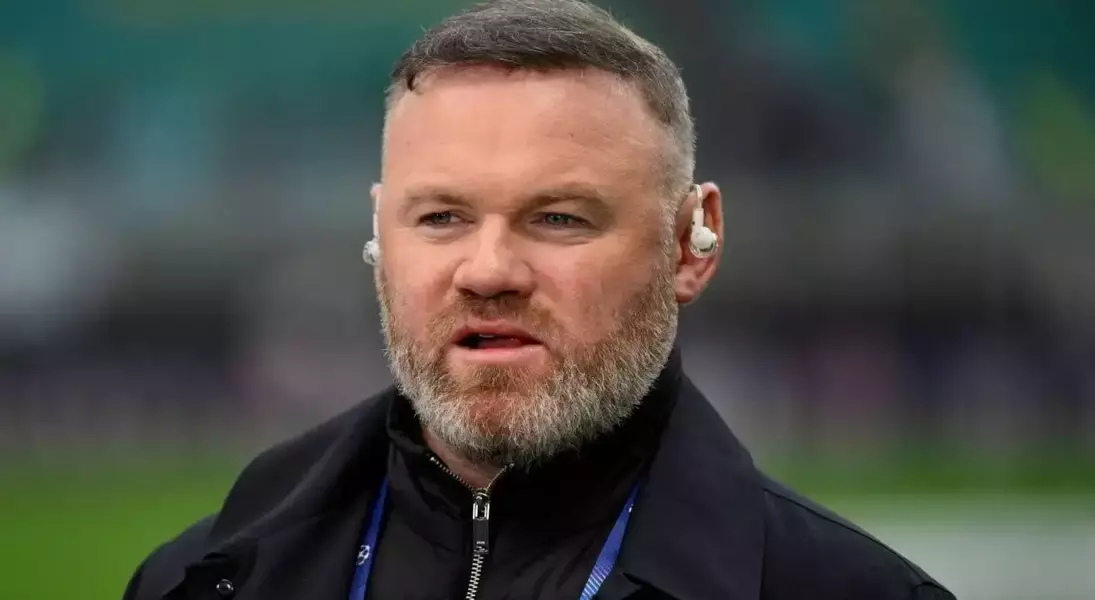
In the wake of Manchester United's decisive 3-0 loss to fierce rivals Manchester City, former star Wayne Rooney expressed significant doubts about the club's transfer strategy, particularly concerning their new goalkeeper. This defeat further illuminated the tactical shortcomings of manager Ruben Amorim and fueled discussions about the team's ongoing struggles.
Rooney Questions Manchester United's Goalkeeper Acquisition Post-Derby Defeat
Following Manchester United's humbling 3-0 defeat to cross-town rivals Manchester City at the Etihad Stadium on Sunday, legendary figure Wayne Rooney launched a critique of his former club's recruitment decisions. The one-sided match saw goals from Phil Foden and a brace from Erling Haaland secure a dominant victory for Pep Guardiola's side, exposing the vulnerabilities in Ruben Amorim's 3-4-3 formation. United appeared outmatched in midfield and porous in defense, with only a standout performance from summer signing Bryan Mbeumo, who forced a remarkable save from Gianluigi Donnarumma, providing a glimmer of positivity.
Donnarumma, who reportedly joined Manchester City on deadline day as a replacement for Ederson, had also been strongly linked with a move to Old Trafford. However, United ultimately opted for 23-year-old Senne Lammens. Lammens was listed as a substitute for the derby, with Alter Bayindir starting in goal. Rooney, speaking on his BBC podcast, characterized Lammens' signing as a "concern," questioning whether it was a "panic buy." He admitted to not knowing much about the new goalkeeper, implying a lack of research on his part, and expressed worry that bringing in a new keeper who isn't immediately ready to start poses a significant risk. Rooney drew a direct comparison to Donnarumma's immediate clean sheet for City, emphasizing the disparity and reiterating his earlier stance that United should have pursued Donnarumma. He speculated that financial constraints or the player's preference might have been factors, but ultimately concluded that signing Lammens was a "project" and inherently risky.
Beyond the goalkeeper situation, Rooney also shared his broader apprehensions regarding Amorim's tenure, finding it "very difficult" to identify any signs of "progression" or imminent positive results for Manchester United. He expressed a desire to be supportive but found no tangible evidence of improvement. Rooney highlighted a poignant moment during the match when Manchester United supporters were seen leaving early, contrasting it with the City fans chanting Amorim's name. He described the sight of United fans departing as a powerful indicator of their profound disappointment. The former United captain lamented the lack of clear tactical patterns or strategies that could lead to future team enhancements.
This incident underscores the critical importance of strategic planning and thoughtful execution in sports management. In the high-stakes world of professional football, a single decision, such as a player transfer, can have cascading effects on team performance and fan morale. It also highlights how former players, with their deep understanding of club culture and expectations, can offer invaluable, albeit sometimes harsh, insights. The situation at Manchester United serves as a stark reminder that even clubs with immense history and resources are not immune to the consequences of flawed decision-making and a lack of clear direction.
