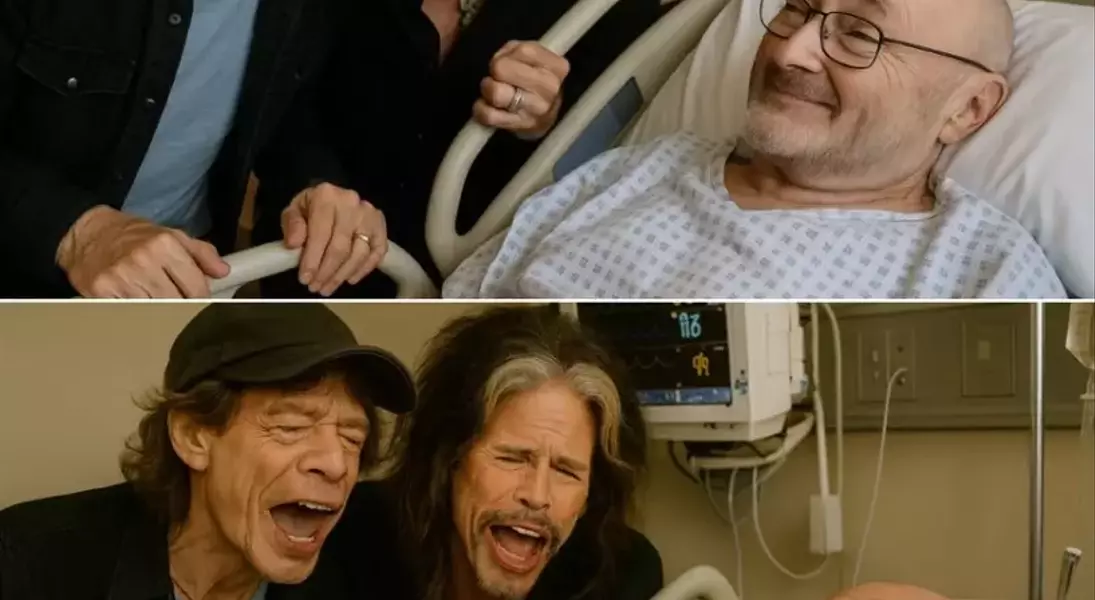
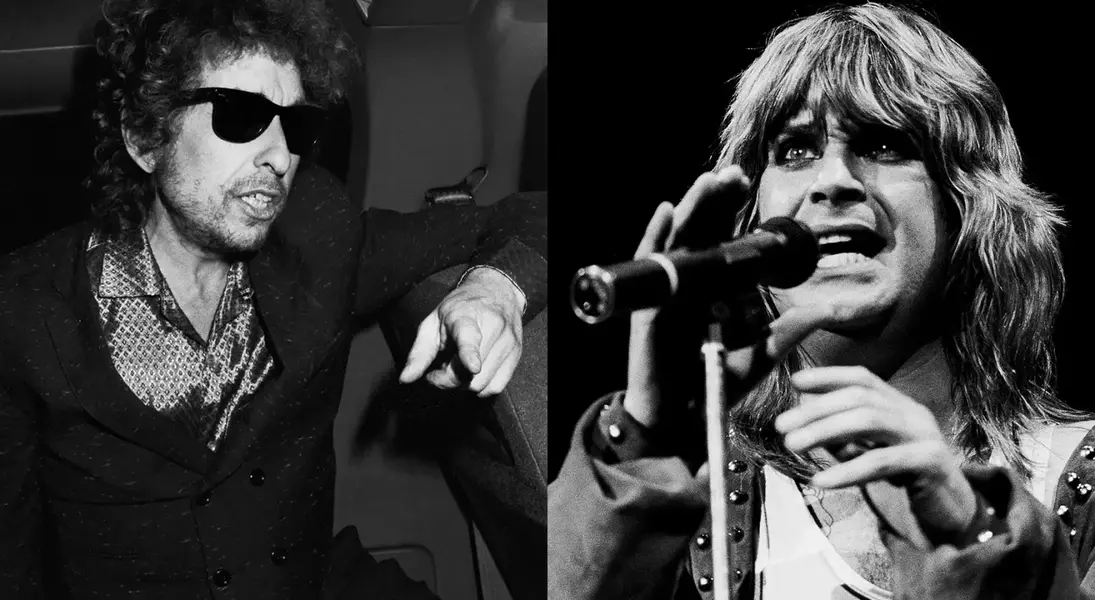
The digital landscape is increasingly populated by artificial intelligence-generated content, with a notable surge in fabricated images of renowned music figures. These visuals often portray classic rock legends in improbable, heartwarming, or even shocking situations, ranging from charitable acts to intimate personal moments. The allure of such content lies in its ability to tap into collective nostalgia and emotional connections with these cultural icons. However, this trend has sparked a significant debate regarding the authenticity of digital media and the ease with which AI can manipulate public perception.
While many of these AI-generated images are overtly fantastical, their widespread dissemination underscores a critical challenge in distinguishing genuine content from sophisticated fabrications. This phenomenon extends beyond still images to include AI-created music, further complicating the media ecosystem. The passive response from the artists and their representatives often inadvertently validates these hoaxes, blurring the boundaries of reality for an unsuspecting public. As AI technology advances, the distinction between what is real and what is synthetically produced becomes increasingly tenuous, prompting a reevaluation of media literacy and critical engagement.
The Proliferation of Fabricated Celebrity Imagery
The digital sphere is witnessing a rapid expansion of AI-created visuals featuring beloved music legends. These imaginative depictions often place rock stars in heartwarming, yet entirely fictional, scenarios, such as an artist building a doghouse for rescued animals, or a group of music icons harmonizing at a memorial service. While these images are clearly the product of artificial intelligence, their emotional resonance and the desire for fans to believe in such wholesome narratives contribute to their widespread acceptance. This burgeoning trend highlights how AI is not merely mimicking reality but actively constructing alternative, often idealized, versions of it, which resonate deeply with audiences seeking connection and positive sentiment.
This surge of AI-generated content isn't confined to static images; it encompasses dynamically evolving aspects of the music industry. For instance, an AI-driven musical group recently emerged, initially concealing its artificial origins before revealing its synthetic nature. Such incidents demonstrate the deepening infiltration of AI into creative fields. The impact of these fabrications is particularly pronounced when applied to elderly musicians, where age and perceived vulnerability make the fictional scenarios seem more plausible. The lack of immediate repudiation from the artists or their teams further blurs the distinction between fact and fiction, leading to a complex landscape where the desire for comforting narratives often overrides the need for factual accuracy.
Navigating the Blurry Lines of Digital Authenticity
The increasing prevalence of AI-generated images featuring classic rock stars poses a significant challenge to media literacy, as the lines between authentic and fabricated content become increasingly indistinct. Despite their often-absurd nature, these visuals, shared across social media platforms, frequently elicit genuine emotional responses from fans, blurring the boundaries of perception. The emotional appeal of these fabricated scenes, which often depict beloved figures in heartwarming or vulnerable moments, contributes to their virality and acceptance, even among discerning viewers. This emotional connection makes it particularly difficult for the public to question the veracity of such images, as they tap into deeply ingrained affection and nostalgia, leading to widespread confusion and occasional distress when the content misrepresents real events.
The silence from artists and their management regarding these AI-generated images inadvertently lends them a semblance of legitimacy, creating a precarious situation where the public's desire for comforting narratives can eclipse factual accuracy. This lack of official response leaves fans to grapple with uncertainty, prompting passionate debates and, at times, outrage when the fake content touches on sensitive subjects like an artist's health. The current scenario underscores the urgent need for a more proactive approach from artists and platforms alike to address this burgeoning issue. Without clear communication and robust verification mechanisms, the digital landscape risks becoming a breeding ground for misinformation, where the charm of AI-generated fiction could undermine the trust in authentic visual and auditory content.
