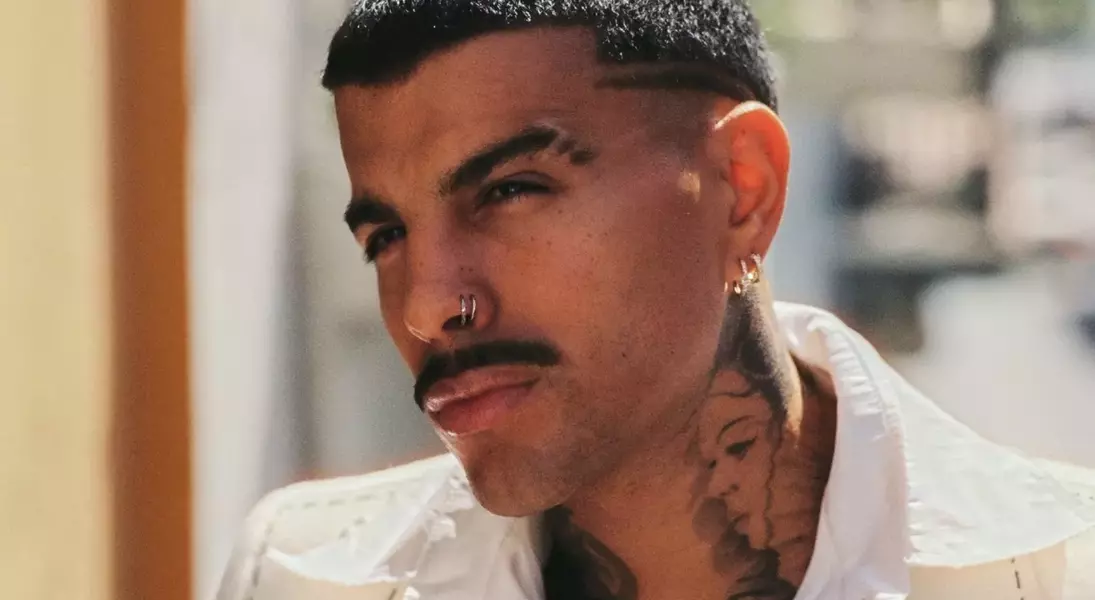
Rauw Alejandro's newest musical endeavor, 'Cosa Nuestra: Capítulo 0,' is a profound exploration of the Caribbean's rich and diverse musical landscape. This album, conceived as a precursor to his earlier work, 'Cosa Nuestra,' endeavors to capture the full breadth of the region's cultural and auditory traditions. Through a blend of traditional rhythms and contemporary sounds, Alejandro crafts a pan-Caribbean artistic statement that celebrates the interconnectedness of these vibrant cultures.
Rauw Alejandro's 'Cosa Nuestra: Capítulo 0': A Deep Dive into Caribbean Rhythms
Released on September 26, 2025, Rauw Alejandro's album "Cosa Nuestra: Capítulo 0" serves as a prequel to his earlier work, expanding on his exploration of Caribbean music. Alejandro, a proud Puerto Rican artist, aims to present a comprehensive musical map of the entire Caribbean region, encompassing its diverse islands and archipelagos, from the Lesser Antilles to Puerto Rico, Hispaniola, Cuba, Jamaica, and the Bahamas.
The album opens with "Carita Linda," a track that deeply embraces the Afro-Puerto Rican genre of bomba. Alejandro, alongside his band, highlights the genre's origins and its connections to African spiritual traditions. The song features references to "yuba" and "cuembe," drum patterns that symbolize restoring balance and releasing negative emotions. Gloria and Roberto Cepeda of Bomba Ashé contribute a spoken-word outro, reinforcing the authenticity of the sound. This neo-bomba style reappears in "Besito en la Frente," slated as the next promotional single.
In "Caribeño," guest rapper Saso from Planta Industrial emphasizes the intertwined musical histories of Caribbean nations. He acknowledges the influence of Jamaican artist Shabba Ranks on reggaetón and Dominican dembow, and the Haitian kompa genre's role in inspiring merengue. While Alejandro explores these cultural depths, his signature playful lyricism remains, as heard in "GuabanSexxx," which uses metaphors related to the Taíno deity of storms, and the classic perreo track "Buenos Términos." The album also includes "Santa," an afrobeats collaboration with Jamaican producer Rvssian and Nigerian artist Ayra Starr, originally released before 'Cosa Nuestra.'
The Dominican Republic takes center stage with "SILENCIO," an old-school bachata track co-written with Dominican superstar Romeo Santos, and "El Cuc0.0," featuring Jey One's energetic performance. Alejandro ventures into original salsa compositions for the first time, concluding the album with three new salsa tracks. "Callejón de los Secretos" features Chilean-Mexican artist Mon Laferte and stands out for its vibrant sound. "FALSEDAD" pays homage to the 1980s salsa romántica style, while the closing track, "Mirando Al Cielo," evokes the grand Fania big-band spirit, offering a heartfelt tribute and prayer for Puerto Rico.
While the album largely succeeds in its ambitious scope, there are minor imperfections. Newcomer De La Rose's vocals on "Nostalgia de Otoño" don't fully resonate, and some lyrics, particularly in "Caribeño," occasionally feel forced, despite poetic moments. However, these small issues do not detract from the album's overarching message.
Alejandro's intention with "Capítulo 0" is clear: to highlight the foundational sounds that birthed contemporary Caribbean genres. By retaining the "Cosa Nuestra" title, he reinforces the idea that this music is intrinsically linked to the soul of the Caribbean and its people. He portrays the region as a collection of small nations that, together, form an undeniable and powerful cultural force.
This album provides an enlightening journey through the Caribbean's musical roots. It underscores the incredible fusion of sounds and cultures that have shaped the region's identity. For any artist, undertaking such an ambitious project requires not only talent but also a deep respect and understanding of the cultural heritage being explored. Rauw Alejandro successfully demonstrates that music can be both an homage to tradition and a bridge to contemporary expression. His work invites listeners to appreciate the vibrant, intertwined narratives of the Caribbean, proving that its music is truly felt, lived, and honored.
