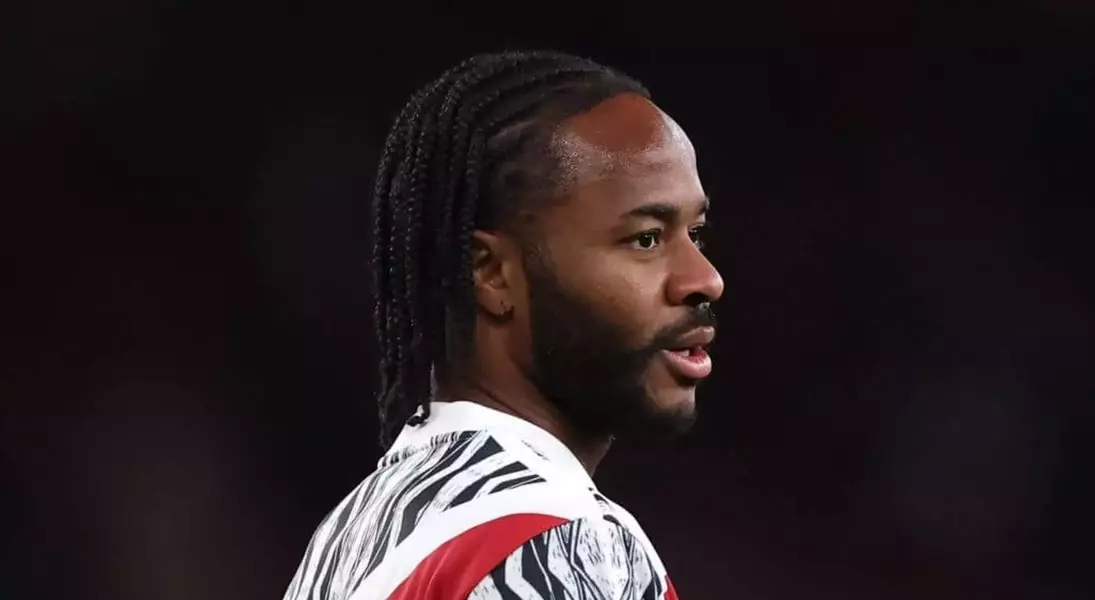
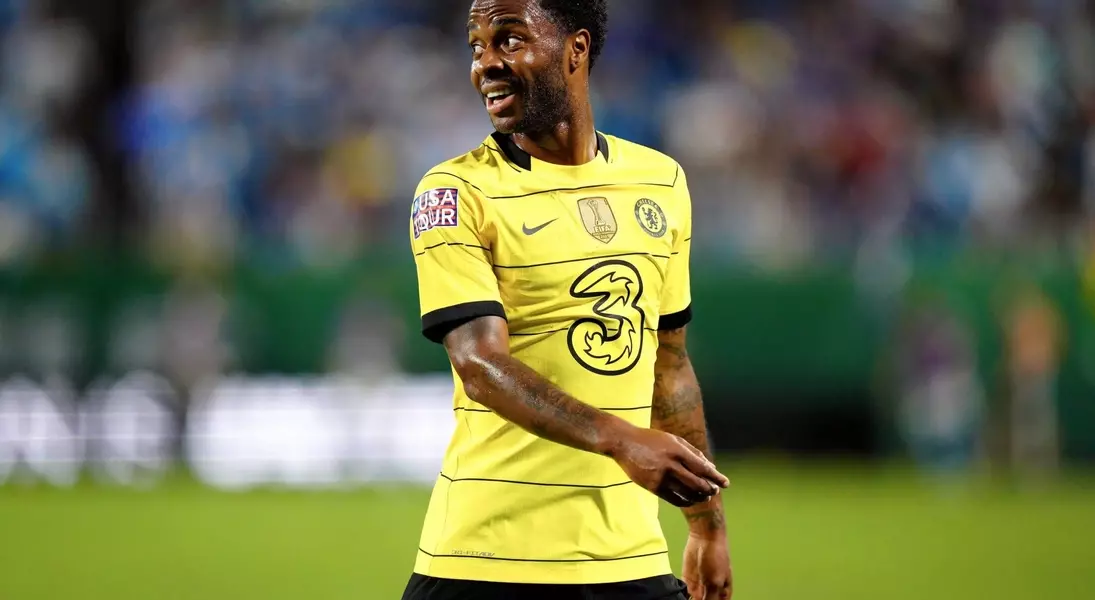
Raheem Sterling's continued presence at Chelsea has become a focal point of discussion within the football community, following his exclusion from the first-team squad. Despite a distinguished career marked by numerous accolades and a significant transfer fee upon his arrival at Stamford Bridge, the England international finds himself in a peculiar predicament. His decision to remain, even as various transfer windows closed across different leagues, highlights the intricate challenges faced by both the player and the club. This scenario underscores the complexities of modern football contracts, player welfare, and the delicate balance between professional ambition and personal commitments, all while public and professional bodies closely observe the unfolding events.
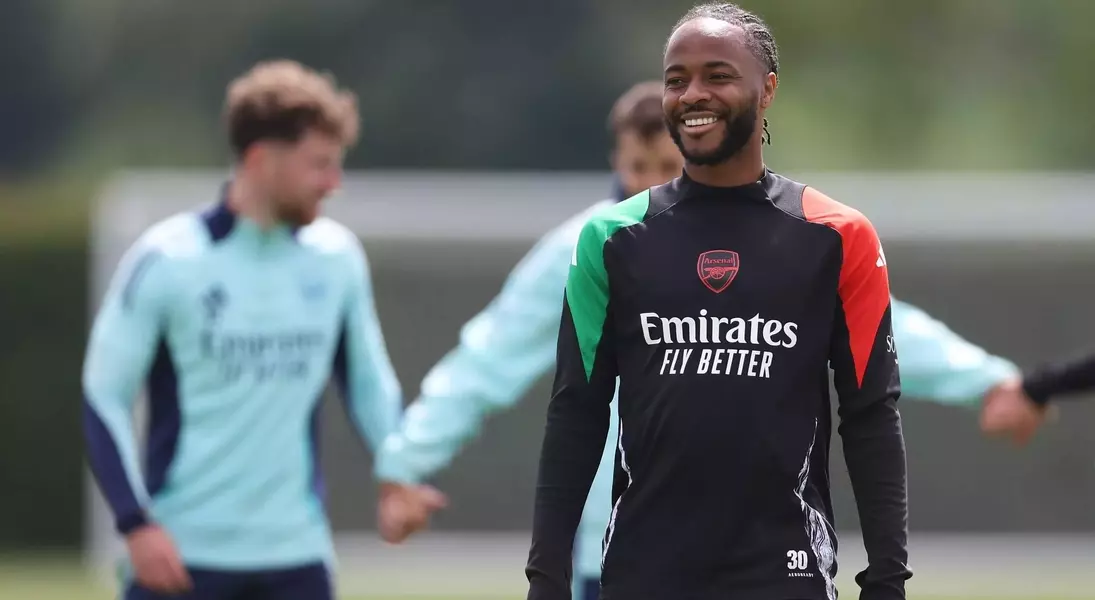
The current state of affairs for Raheem Sterling at Chelsea has been a prominent topic, particularly after he posted a picture on social media hinting at his rigorous training schedule. This post quickly went viral, drawing attention to his isolated training regimen. Subsequently, reports emerged indicating that the Professional Footballers' Association (PFA) had initiated contact with Chelsea regarding the treatment of Sterling and teammate Axel Disasi, who are both training away from the main squad. This intervention by the PFA, though not uncommon for players on the fringes, gained significant traction due to Sterling's high-profile status and Chelsea's newsworthy nature. However, the PFA's role is primarily advisory, ensuring clubs adhere to player welfare regulations, which Chelsea has reportedly done by providing coaching and facilities.
Sterling's current predicament is not entirely new; he faced a similar situation last year when manager Enzo Maresca did not include him in his plans following the 2024 pre-season tour. On both occasions, Sterling trained separately with other players deemed surplus to requirements. While the setup for these training sessions was reportedly better this year, the consistent exclusion points to a clear message from the club. Maresca himself weighed in on the situation, drawing a parallel to his father's arduous life as a fisherman to emphasize that real hardship lies elsewhere, a statement that did little to soothe the growing tensions. Despite the professional setback, Sterling has continued to maintain his fitness with a dedicated team, including England’s former lead physical performance coach, Ben Rosenblatt, and has utilized his extra time to focus on his children and his own football academy.
The financial implications of Sterling's contract play a crucial role in his inability to secure a move. As one of Chelsea’s highest-paid players, his substantial wages make it difficult for other clubs to afford him, even on a loan basis. This financial burden also explains Chelsea's shift towards incentive-based contracts for new signings. Furthermore, Sterling's reluctance to move his family from London, where they are settled, has been a significant factor. Despite late interest from clubs like Bayern Munich, where he could have reunited with former teammate Vincent Kompany, Sterling was hesitant to relocate for what could be a short-term, potentially irregular playing opportunity. His previous loan spell at Arsenal, where he struggled for consistent game time despite a good relationship with Mikel Arteta, reinforced his desire to prioritize stability and playing assurances.
As the January transfer window approaches, the prospects of a straightforward resolution for Sterling appear slim. Approaching his 31st birthday and facing seven months without competitive football, securing a move will be even more challenging. A contract settlement, which would involve Chelsea paying off a portion of his substantial remaining wages until 2027, presents a financial quandary for both parties. Sterling is unlikely to walk away from millions, and Chelsea is equally disinclined to fully compensate him only for him to join another club as a free agent. This complex situation highlights a stalemate where neither party is at fault, but both are without a clear path forward, leaving no immediate winners in this high-stakes footballing dilemma.
