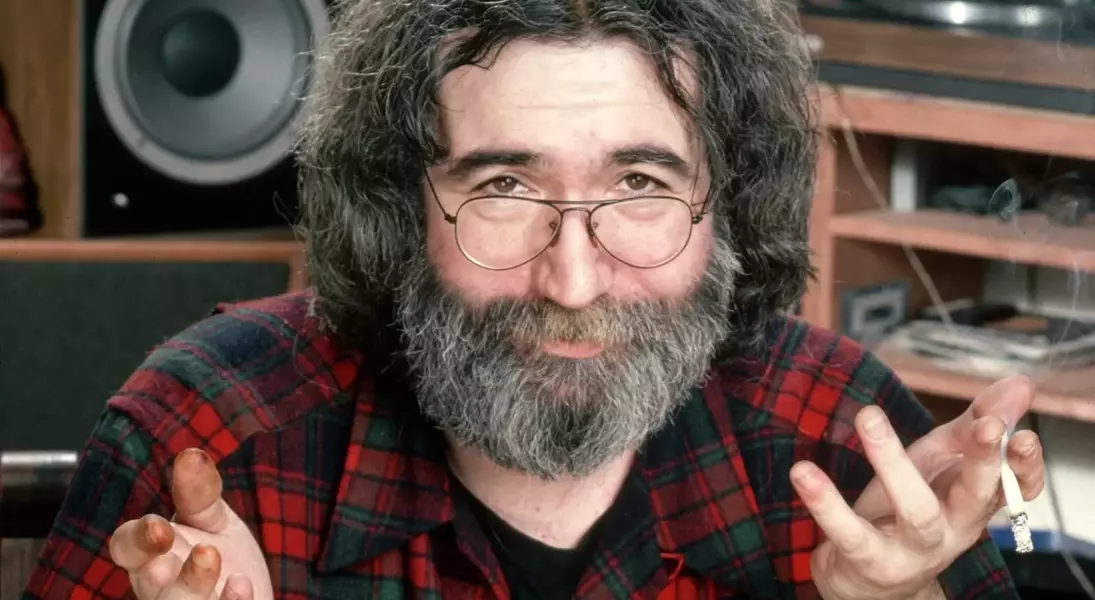
Jerry Garcia, the iconic figure behind the Grateful Dead, was celebrated not merely for his groundbreaking guitar work and his role as a bandleader, but also for his deep philosophical musings. Throughout his life, Garcia shared insightful perspectives on a wide array of subjects, ranging from the esoteric nature of existence to the practicalities of a musician's life. His candid thoughts offer a unique window into his distinctive worldview, shaping not just his artistic output but also his personal journey. These reflections illuminate the multifaceted character of an artist who transcended conventional boundaries, influencing generations with his innovative spirit and intellectual curiosity.
This comprehensive collection of Garcia's wisdom delves into his perceptions of higher powers, the role of altered states of consciousness in creative expression, and his discerning views on other influential artists of his time. Furthermore, it covers his personal struggles with health, his unconventional approach to financial matters, and his nostalgic yet critical reflections on the tumultuous Sixties. His insights into the craft of songwriting and his profound appreciation for literature also reveal the intellectual depth that underpinned his artistic endeavors, making his legacy far richer than mere musical prowess.
Reflections on Existence and Altered States
Jerry Garcia's philosophical explorations often delved into the profound mysteries of existence, offering a unique blend of spiritual and introspective insights. He spoke candidly about his visions of a higher consciousness and the universe's inherent humor, suggesting that moments of revelation could lead to a deeper understanding of one's place in the cosmos. His experiences, particularly those involving altered states, were viewed not merely as recreational pursuits but as pathways to expanded awareness, where every sound and silence could reveal an entire universe of meaning. He believed that such experiences fostered a conscious connection to the evolutionary process, enabling individuals to become more attuned to the universe's grand design.
Garcia's perspective on the use of psychoactive substances was notably nuanced; he recognized their potential as catalysts for profound self-discovery and heightened perception, yet he remained acutely aware of their inherent risks and legal complexities. He openly acknowledged the dual nature of these experiences, where deep insights could be intertwined with significant personal challenges. For Garcia, mind-altering substances served as instruments for exploration, tools that could dismantle conventional perceptions and foster a more holistic understanding of reality. However, he also emphasized the importance of self-awareness and the recognition of vulnerability when engaging with such powerful tools, urging a balanced approach to their use.
The Artist's Journey: Peers, Practices, and Performances
Garcia’s admiration for his musical contemporaries reflected his broad understanding of artistic innovation and cultural impact. He recognized Chuck Berry as a trailblazer who defied traditional musical confines, asserting that true artistry meant embracing diverse influences without being constrained by rigid academic structures. He also spoke with profound respect about Janis Joplin's raw, unfiltered talent, recalling her early struggles and unwavering dedication to her craft. His observations on Bob Dylan highlighted the lyricist's exceptional ability to capture universal truths and societal shifts in his songwriting. Furthermore, Garcia praised The Beatles for their transformative influence, celebrating their capacity to inspire joy and creativity, and he acknowledged The Rolling Stones' enduring power despite their predictable stage presence. His personal musical journey began with bluegrass, particularly Earl Scruggs’ banjo, which served as a foundational inspiration for his own evolving sound.
Beyond his musical insights, Garcia offered poignant reflections on personal well-being and the complexities of his professional life. He candidly admitted to a struggle with self-discipline regarding his health, often postponing necessary changes until crisis point. From a financial standpoint, he envisioned the Grateful Dead as a public service rather than a business, expressing discomfort with the band's commercial success and longing for simpler, more artistically fulfilling endeavors. Despite the challenges of managing the band’s affairs, he found meaning in the collective pursuit of their unique sound. When it came to songwriting, he confessed a reluctance to compose unless absolutely necessary, preferring the spontaneity of improvisation. He valued the emotional authenticity in his music over technical precision, working closely with lyricists like Robert Hunter who could align with his artistic sensibilities. Garcia also highlighted the transformative power of literature, particularly the works of Dylan Thomas and T.S. Eliot, which he viewed as essential intellectual nourishment. Finally, he spoke with humility about live performances, admitting to occasional feelings of awkwardness on stage, yet marveling at the enduring connection with their audience, whom he saw as fellow adventurers seeking unique experiences in a world lacking genuine excitement.
