

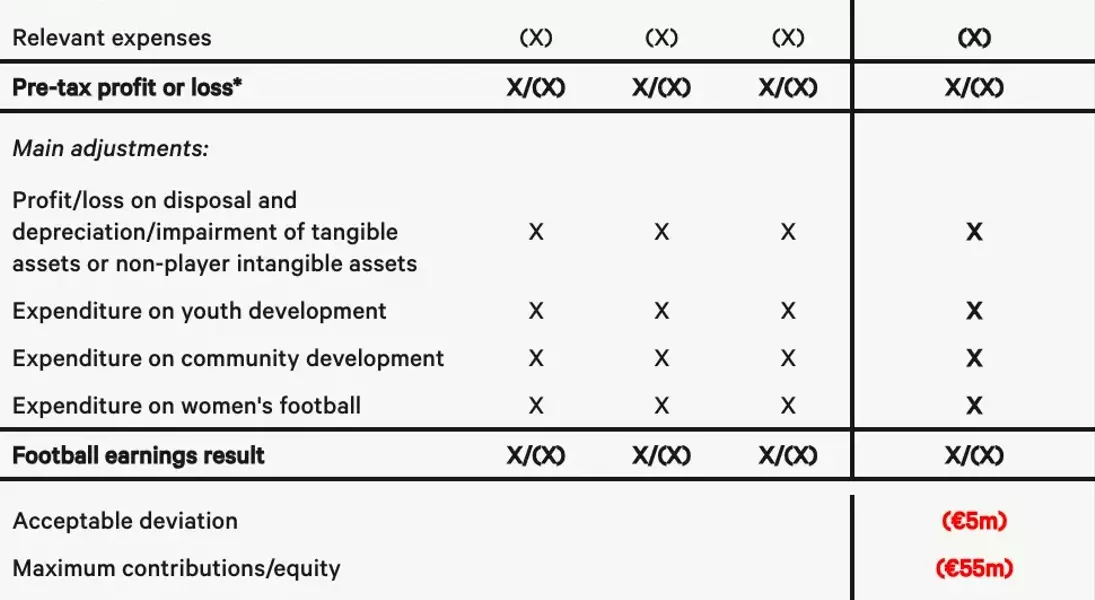
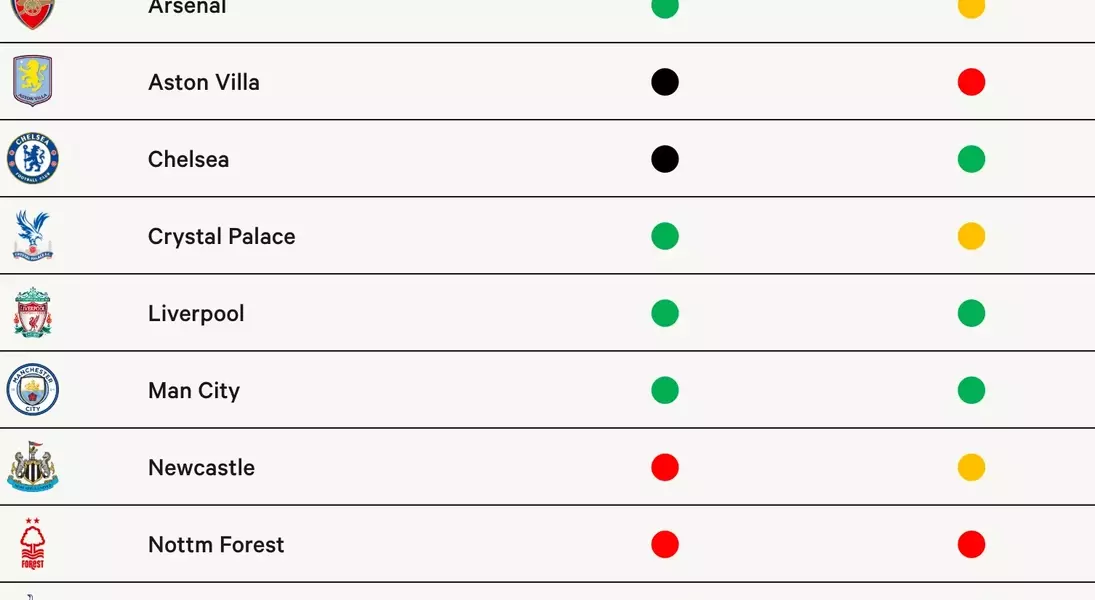



As European club football continues its lucrative journey with the return of the Champions League, Premier League teams find themselves under intense scrutiny regarding UEFA's financial regulations. Nine English clubs are participating in European competitions this season, necessitating adherence to both the Football Earnings Rule and the Squad Cost Rule. This analysis delves into the financial health of Arsenal, Aston Villa, Chelsea, Crystal Palace, Liverpool, Manchester City, Newcastle United, Nottingham Forest, and Tottenham Hotspur, projecting their compliance and potential challenges for the 2024-25 season. The intricate interplay of revenue generation, player trading, and operational costs dictates each club's position against these stringent financial benchmarks, underscoring the constant balancing act required to achieve both on-field success and financial stability.
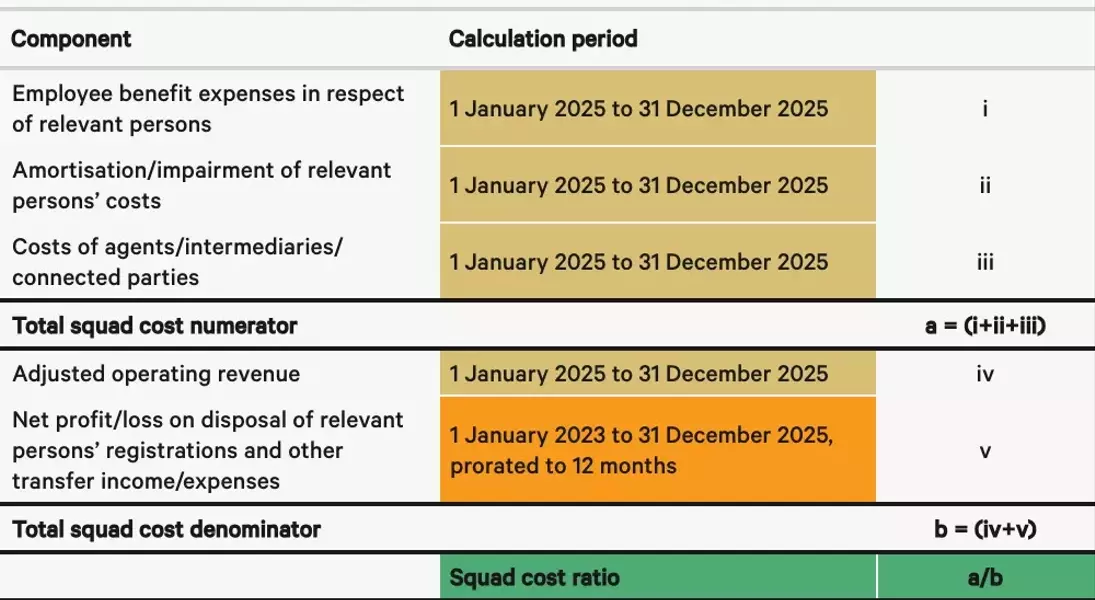
Understanding the nuances of UEFA's financial framework is crucial for these clubs. The Football Earnings Rule, akin to the Premier League's profit and sustainability limits, caps losses over a three-year period, with potential allowances for clubs demonstrating robust financial health. However, many English clubs struggle with the 'quick ratio' condition due to high transfer debt, limiting their ability to claim additional loss allowances. The Squad Cost Rule, on the other hand, focuses on limiting expenditure, with a cap on squad costs as a percentage of revenue. This rule is more challenging to assess externally due to variations in accounting periods and the granular detail of wage and amortization data. Projections for each club reveal a mixed bag, with some comfortably within limits, others teetering on the edge, and a few likely facing penalties, demonstrating the constant pressure to optimize financial strategies in the ever-evolving landscape of elite football.
Navigating UEFA's Financial Strictures: Compliance and Challenges
The 2024-25 season presents a critical test for Premier League clubs competing in UEFA competitions, demanding meticulous financial management to align with the Football Earnings Rule and the Squad Cost Rule. While Arsenal and Liverpool appear to have adeptly navigated the Football Earnings Rule, benefiting from strategic player sales and increased European revenues, clubs like Aston Villa and Chelsea have entered into settlement agreements after previous breaches. Newcastle United and Nottingham Forest, however, face potential financial penalties, with projections indicating they are likely to exceed UEFA's loss limits. The complexities arise from varying interpretations of 'allowable costs' for infrastructure and youth development, coupled with the unpredictable nature of player trading profits and fluctuating revenue streams from domestic and European competitions.
The Squad Cost Rule, which limits expenses related to player wages and amortization as a percentage of revenue, adds another layer of complexity. Tottenham Hotspur, with their remarkably low wage-to-revenue ratio, project strong compliance, showcasing the benefits of a well-structured financial model. Manchester City also demonstrates robust financial health, offsetting significant spending with high revenues and strategic player sales. Conversely, clubs like Arsenal find themselves on a 'knife edge' due to substantial new contracts and limited major player departures, requiring careful monitoring of their squad cost ratios. Aston Villa and Nottingham Forest, having exceeded previous limits, face ongoing challenges in adapting to stricter thresholds, highlighting the critical need for continuous revenue growth and disciplined expenditure in a fiercely competitive financial environment. The annual and often opaque nature of these calculations underscores the difficulty for clubs and external analysts alike in predicting definitive compliance outcomes.
Strategic Financial Planning: Player Trading and Revenue Generation
Strategic financial planning, particularly through shrewd player trading and diversified revenue streams, is proving to be a cornerstone for Premier League clubs aiming for UEFA compliance. Clubs like Liverpool and Crystal Palace have effectively leveraged player sales to boost their financial standings, generating significant profits that help offset operational losses and manage squad costs. The timing and magnitude of these sales are crucial, with profits often averaged over multiple years for UEFA's calculations, influencing current and future compliance. Furthermore, capitalizing on increased prize money from Champions League qualification and participation in FIFA's Club World Cup provides vital injections of revenue, enabling clubs to absorb higher wage bills and amortization costs associated with top-tier talent acquisition.
However, the efficacy of these strategies is not uniform across all clubs, and unforeseen factors can quickly alter a club's financial trajectory. While some, such as Manchester City, consistently generate substantial revenues from diverse commercial activities and highly profitable player sales, others like Newcastle United and Nottingham Forest grapple with the repercussions of past financial decisions and the need for more immediate and impactful player trading to meet UEFA's evolving thresholds. The ongoing shift in UEFA's regulations, demanding a lower squad cost ratio, intensifies the pressure on clubs to not only increase revenue but also to manage player acquisition and retention more efficiently. The success stories emphasize the importance of a long-term financial vision, balancing ambition on the field with sustainable economic practices to avoid penalties and maintain competitiveness within Europe's elite football landscape.
