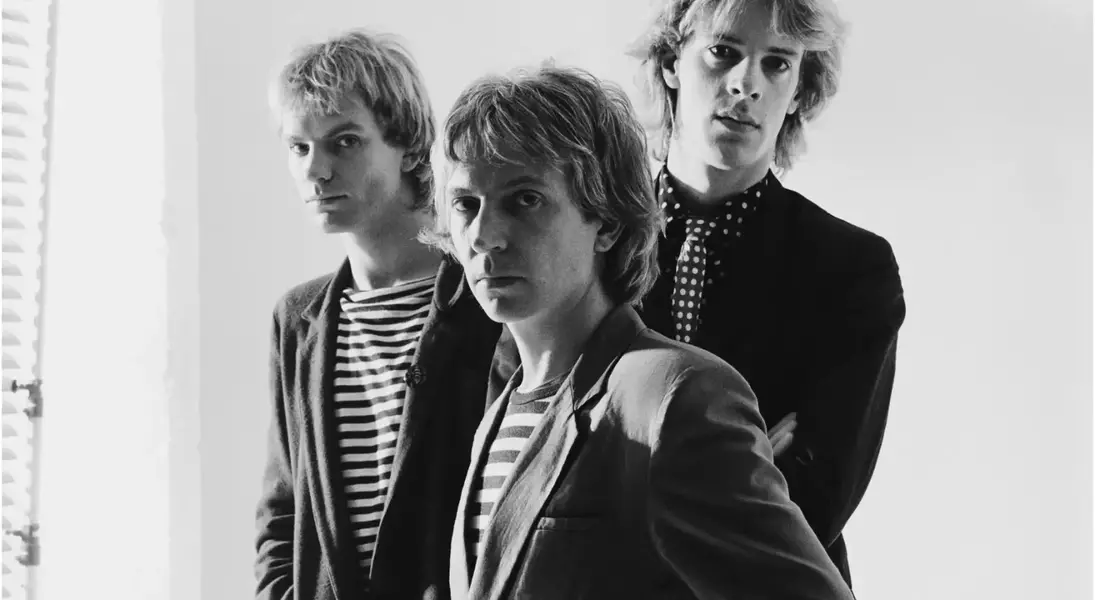
A significant legal challenge has emerged in the music world, as two former members of the legendary band The Police, guitarist Andy Summers and drummer Stewart Copeland, have initiated legal proceedings against their former bandmate, Sting. The core of this high-stakes dispute revolves around claims of over two million dollars in unreceived royalty payments, specifically concerning the digital usage of the band's extensive musical catalog. This contention, reaching the London High Court, reignites long-standing debates about equitable compensation for creative contributions within musical groups.
Legal Battle Unfolds: The Police's Royalty Disagreement
In a developing story from London, England, in September 2025, Andy Summers and Stewart Copeland, the celebrated guitarist and drummer of the iconic rock band The Police, have formally accused their former lead singer and principal songwriter, Gordon Matthew Sumner, widely known as Sting, of withholding substantial royalty payments. Court documents recently made public reveal that Summers and Copeland assert a right to 'arranger's fees' linked to the digital monetization of The Police's timeless recordings. Their claims encompass numerous chart-topping tracks, notably the globally recognized 'Every Breath You Take.'
This current legal skirmish echoes a historical verbal understanding from 1977, established at the very dawn of The Police's journey. This initial agreement purportedly stipulated that any member receiving income from a song they penned for the band would share 15 percent of that revenue with the other two members. While Sting held primary songwriting credits for most of the band's monumental successes, including 'Roxanne,' 'Message in a Bottle,' and 'Don't Stand So Close to Me,' this arrangement aimed to ensure a collective benefit from individual creative output.
The verbal pact transitioned into a written agreement in 1981, and further modifications were enacted in 1997 following allegations from Summers and Copeland of underpayments over an extended period. The most recent agreement, inked in 2016, specifically addressed the distribution of royalties when The Police's compositions were featured in television productions and cinematic works. However, the present contention predominantly concerns royalties derived from digital platforms, such as online sales and streaming services. Summers and Copeland contend that they have not received their rightful share from these modern avenues of music consumption. Conversely, Sting's legal counsel vehemently rejects these accusations, arguing that their client has not only fulfilled his financial obligations but may have, in fact, overcompensated his former bandmates. They assert that the lawsuit represents an 'unjustified attempt' to re-interpret the 2016 accord, suggesting that under a proper reading of the agreement, Sting may not be required to remit any payments for digital exploitation. As the legal narrative unfolds, an administrative hearing is slated for January, a pivotal moment that will likely clarify the future trajectory of this complex and deeply rooted dispute.
This case serves as a poignant reminder of the intricate and often fraught financial dynamics within successful musical ensembles, particularly as traditional revenue streams give way to digital landscapes. It highlights the critical importance of clear, comprehensive, and forward-looking contractual agreements that can adapt to evolving industry practices. From a reader's perspective, it underscores the human element behind artistic creation and the enduring challenges of fairly distributing the fruits of collaborative genius. The outcome of this legal battle will undoubtedly set a precedent for how musical legacies are valued and shared in the digital age, urging artists and their representatives to meticulously anticipate future technological shifts and their financial implications.
