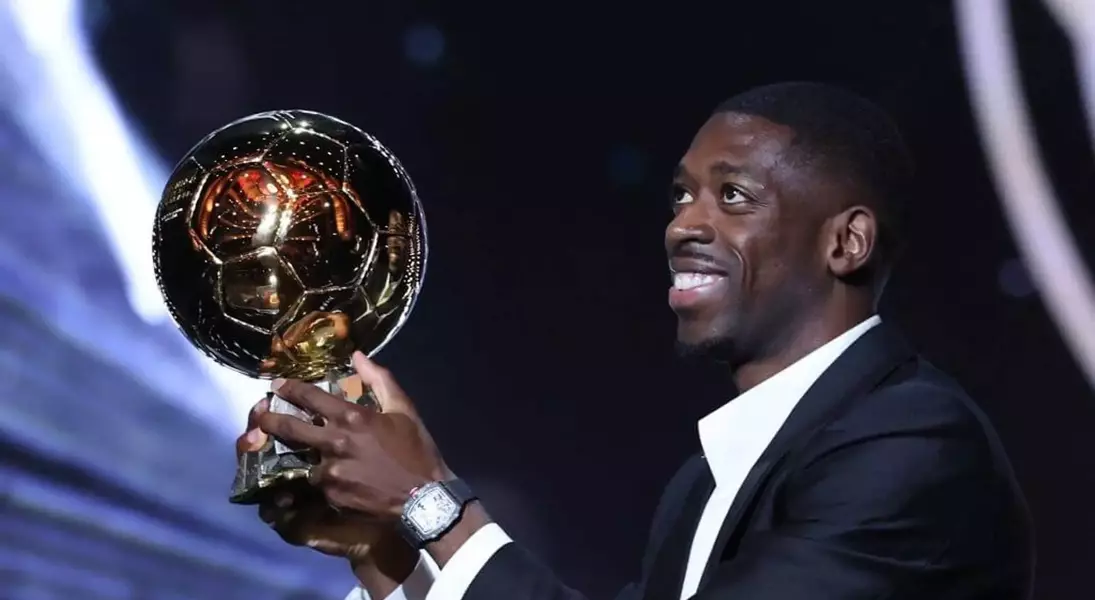
Ousmane Dembélé, a name once synonymous with spectacular dribbles rather than prolific goal-scoring, has defied expectations to claim the prestigious 2025 Ballon d'Or. His journey from a player who openly prioritized flair over finishing to the world's best footballer is a testament to tactical innovation and personal dedication. This article delves into the pivotal moments and strategic changes that propelled him to this unprecedented individual honor, marking a significant chapter in his career and for French football.
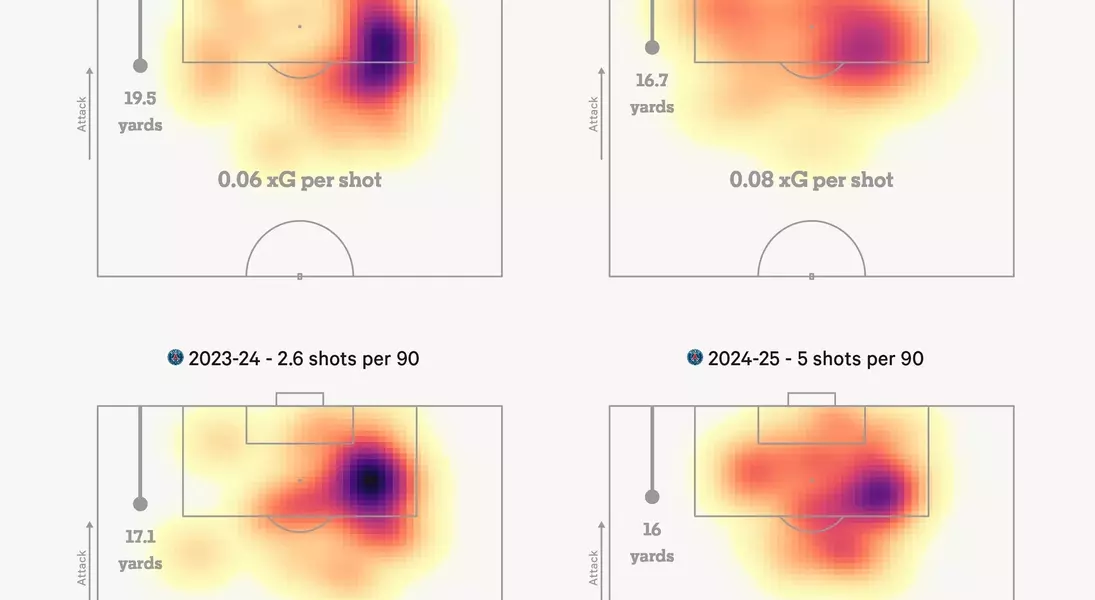
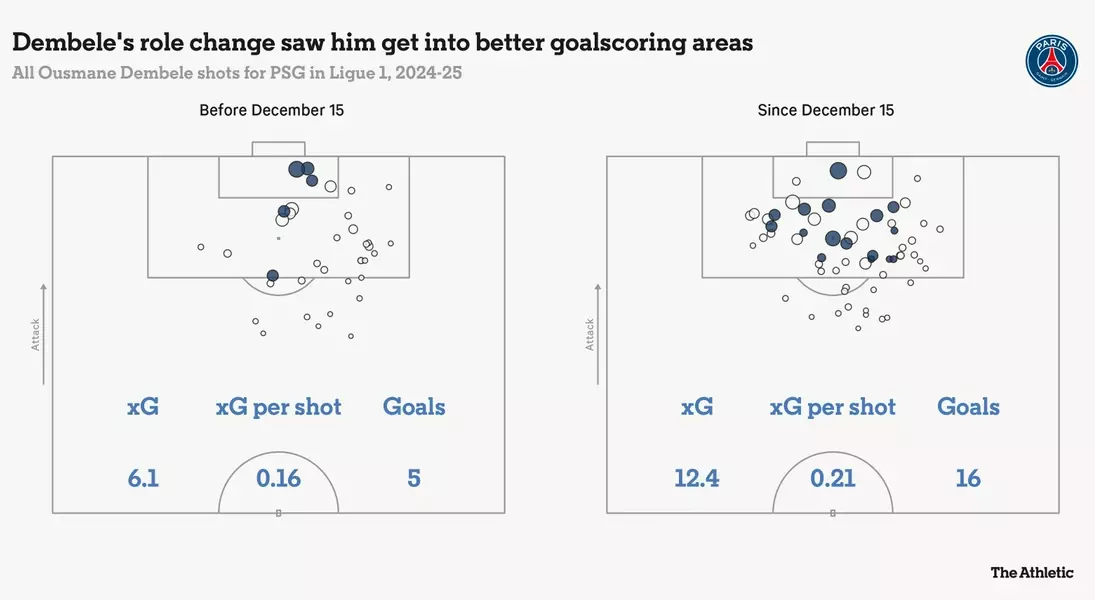
For many years, Dembélé's career statistics mirrored his stated philosophy: goals were secondary to the aesthetic pleasure of his dribbling. In a November 2023 interview, he acknowledged his modest goal tally but dismissed any concern, famously stating, “I sleep very well at night.” He expressed a desire to be remembered as a captivating dribbler, with goal-scoring merely an additional flourish. Before the most recent season, his league goal count hadn't reached double figures since his debut season at Rennes in 2015-16, and his overall best was 14 goals in 2018-19 with Barcelona. This all changed dramatically when PSG coach Luis Enrique repurposed him as a false nine. This tactical adjustment unlocked an astonishing scoring spree, with Dembélé netting 27 goals in 22 matches during the winter and early spring, culminating in a total of 35 goals across all competitions—a figure just five short of his entire six-year tenure at Barcelona. This prolific form was instrumental in PSG securing a historic quadruple and a runner-up spot in the Club World Cup.
The transformation of Ousmane Dembélé into a goal-scoring phenomenon and Ballon d'Or winner began midway through the recent season. PSG coach Luis Enrique, grappling with the void left by Kylian Mbappe's departure to Real Madrid, initially sought a collective solution to the goal deficit. Despite early struggles to find a suitable false nine, Enrique, who had admired Dembélé since his time at Barcelona, saw potential in the French winger. Although Dembélé's initial four months of the season were inconsistent, marked by a late arrival for training and a red card, his opportunity arose in December. Starting in a central role against Lyon, flanked by Lee Kang-in and Desire Doue, Dembélé scored and created numerous chances, signaling the start of his remarkable ascent.
Dembélé's rapid integration into the false nine role quickly bore fruit. After scoring twice against Monaco before the winter break, he secured a stoppage-time winner against the same opponent in the Trophee des Champions and then another double in a league victory over Saint-Etienne. His impact was further highlighted by inspiring PSG's Champions League comeback against Manchester City and achieving back-to-back hat-tricks against Stuttgart and Brest. These goals, often simple tap-ins or instinctive finishes, starkly contrasted with his previous reliance on dazzling dribbles and powerful long-range shots. He attributed this change to a conscious effort to improve his shooting and a shift in mindset, acknowledging that the false nine role demanded a greater focus on clinical finishing. Close friends and team members noted his extensive video analysis and dedicated practice to become more effective in front of goal.
Beyond his prolific goal-scoring, Dembélé's commitment to the team's defensive efforts and overall tactical discipline also evolved. He embraced the new role not just out of duty but found pleasure in combining with teammates and being at the heart of the action. His newfound dedication to pressing and tracking back, exemplified by an image of him relentlessly pursuing an Inter goalkeeper during a Champions League final, showcased a maturity and team-first mentality. Coaches, including Luis Enrique, emphasized his responsibility to lead by example for younger players and be the “first defender” of the team. This complete dedication, coupled with his innate talent and adaptable playing style, allowed him to finally fulfill his immense potential and establish himself as the world's premier footballer, a far cry from the undisciplined youngster or injury-prone player of his past.
The crowning of Ousmane Dembélé as the 2025 Ballon d'Or recipient underlines a profound shift in his career trajectory, moving from a gifted but inconsistent winger to a complete and decisive forward. This achievement reflects not only his individual brilliance but also the strategic genius of Luis Enrique in reimagining his role. Dembélé's journey from prioritizing dribbling to mastering the art of goal-scoring, combined with an enhanced commitment to team defense, has solidified his place among football's elite, culminating in the sport's highest individual honor.
