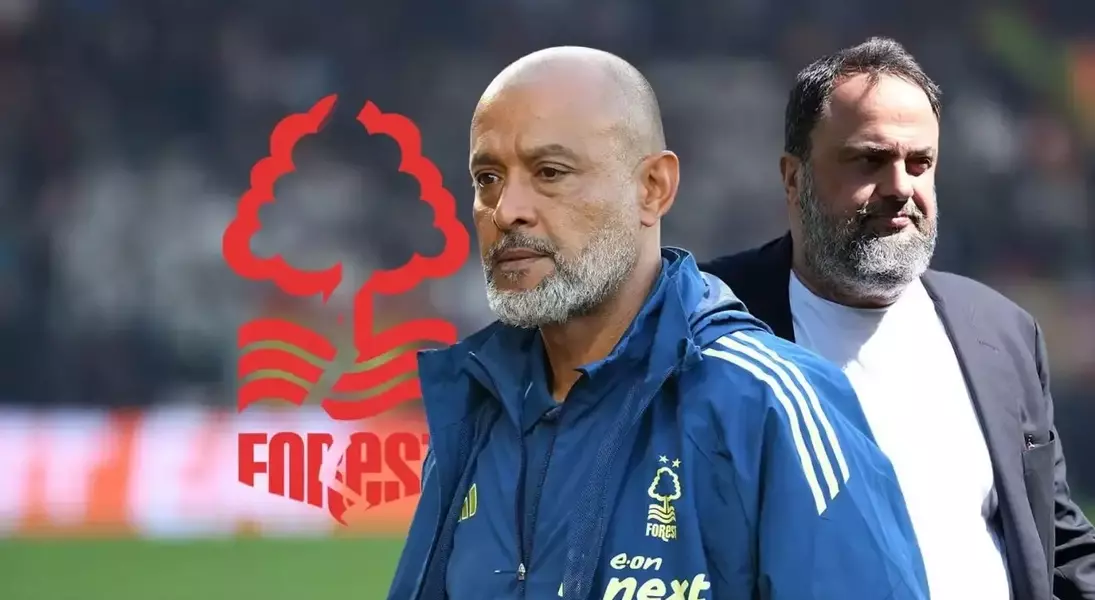
Nottingham Forest's owner, Evangelos Marinakis, reportedly harbored deep displeasure towards head coach Nuno Espirito Santo, culminating in his recent dismissal. This decision, confirmed by the club, came despite Nuno's significant achievements, including securing Premier League status and leading the team to a surprising European qualification. However, sources suggest that public criticisms made by Nuno were a major point of contention, eroding the relationship between coach and owner and ultimately leading to the change in leadership.
The club's statement acknowledged Nuno's valuable contributions, particularly his role in their successful 2024/25 season, which will be fondly remembered. Despite this positive retrospective, the underlying tensions suggest a strategic shift or perhaps irreconcilable differences in vision. The search for a new head coach is already underway, with several prominent names in contention, indicating a swift move to stabilize and redefine the team's future direction.
The Unraveling Relationship: Nuno's Public Criticisms and Marinakis's Ire
The core reason behind Nuno Espirito Santo's unexpected departure from Nottingham Forest, despite a season of notable achievements, appears to stem from a breakdown in his relationship with owner Evangelos Marinakis. Reports indicate that Marinakis was left deeply angered by two specific instances of public criticism voiced by Nuno. These public remarks, though not explicitly detailed, were significant enough to cause a rift between the two key figures at the club. This simmering tension suggests a fundamental disagreement in approach or communication style, which ultimately made the coach's position untenable. Even Nuno's attempts to schedule a meeting with the owner to discuss future plans were unsuccessful, highlighting the severity of the fractured relationship and Marinakis's firm decision for a fresh start.
Nuno's tenure had been marked by considerable success since he took over from Steve Cooper in late 2023. He not only ensured Nottingham Forest's survival in the Premier League during the 2023/24 season but also guided them to an impressive 7th-place finish in 2024/25, securing a coveted spot in European competition. These accomplishments would typically solidify a coach's position, yet the interpersonal conflict with Marinakis overshadowed these achievements. The club's decision to relieve him of his duties underscores the owner's commitment to maintaining a specific level of control and expectation within the club's hierarchy, where public dissent or perceived insubordination would not be tolerated, regardless of on-field results.
The Search for a New Leader: Candidates and Club Vision
Following Nuno Espirito Santo's departure, Nottingham Forest's owner, Evangelos Marinakis, is reportedly moving swiftly to identify a new head coach. A range of prominent football managers have been identified as potential candidates to take the helm. These include Oliver Glasner, Andoni Iraola, Mauricio Pochettino, and Marco Silva, all of whom are said to be highly regarded by the Forest hierarchy. The club's desire to transition quickly suggests an eagerness to minimize disruption and maintain momentum, especially given their recent success in securing European qualification. The selection process will likely focus on finding a leader who not only aligns with Marinakis's vision but also possesses the tactical acumen to build upon the team's recent achievements.
Adding to the list of potential successors, former Tottenham Hotspur and Celtic boss Ange Postecoglou has also been mentioned as an early frontrunner, according to sports reports. While Jose Mourinho, a manager with a decorated past at major European clubs, was also linked, there are indications that Marinakis and Edu (likely referring to a key club official) are seeking a coach who favors a more 'progressive playing style.' This preference for a specific tactical approach was reportedly one of the issues leading to Nuno's dismissal. Therefore, the new appointment will likely reflect a strategic choice aimed at evolving the team's on-field identity, ensuring it aligns with the club's long-term aspirations for competitive success and attractive football.
