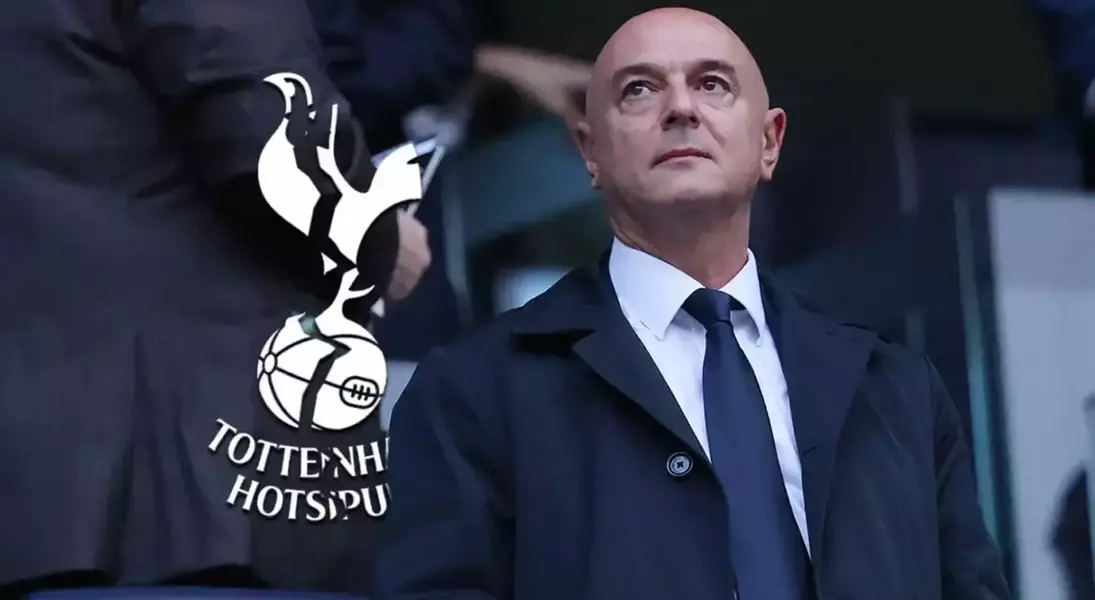
Tottenham Hotspur, a football club often characterized by continuous cycles of transformation, finds itself at the dawn of a new era with the recent departure of long-serving chairman, Daniel Levy. The club has historically struggled to see new initiatives through to completion, frequently undergoing periods of rebuilding and transition. This pattern of constant flux has been a defining feature of their recent history, with managerial changes occurring with notable regularity.
Levy's exit, after a quarter-century at the helm, ushers in a period of heightened unpredictability for the North London club. His tenure was marked by a meticulous approach to finances and a focus on off-field development, including the construction of a state-of-the-art stadium, which transformed Spurs from a mid-table entity into a recognized 'Big Six' club. However, this business acumen often came with fan frustration over a perceived lack of aggressive investment in the playing squad, leading to a common sentiment that while Levy excelled commercially, on-pitch success remained elusive. Despite these criticisms, it's undeniable that he leaves behind a club vastly different from the one he inherited, having elevated its global standing and infrastructure.
The change in leadership, hinted at by recent internal adjustments and Levy's increased public visibility, signifies a strategic shift. New key figures, including former Arsenal executive Vinai Venkatesham as CEO and Peter Charrington as non-executive chairman, are now in place to steer the club. This restructured leadership aims to create a more conventional corporate framework, potentially enabling a more robust approach in the transfer market. Yet, as the team grapples with inconsistent on-field performances under the new manager, Thomas Frank, and the uncertainty surrounding new player acquisitions like Xavi Simons, the path forward is anything but clear. The departure of a figure as central as Levy means that, for the first time in a generation, fans may find themselves without a clear target for their frustrations should the club's fortunes falter.
This period of profound change at Tottenham Hotspur underscores the dynamic nature of leadership and its profound impact on an organization's trajectory. It highlights the delicate balance between financial prudence and on-field ambition. While the future holds both promise and peril, it is through embracing change, adapting to new challenges, and fostering a spirit of unity that the club can navigate this transition and strive for sustained success, both on and off the pitch. The commitment to progress and the collective belief in shared goals will be paramount as Tottenham embarks on this new chapter.
