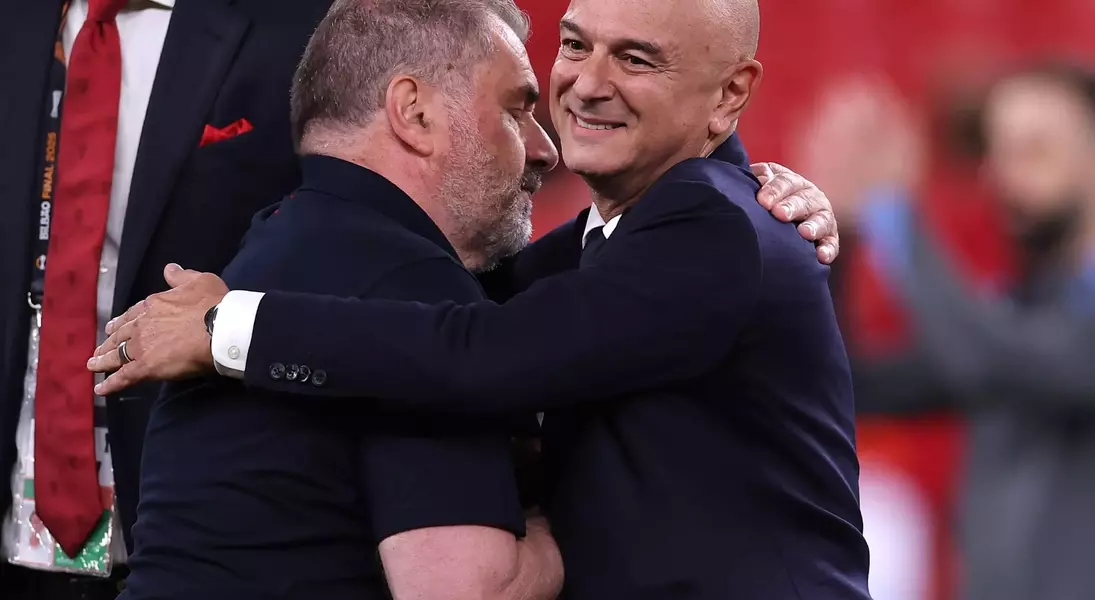
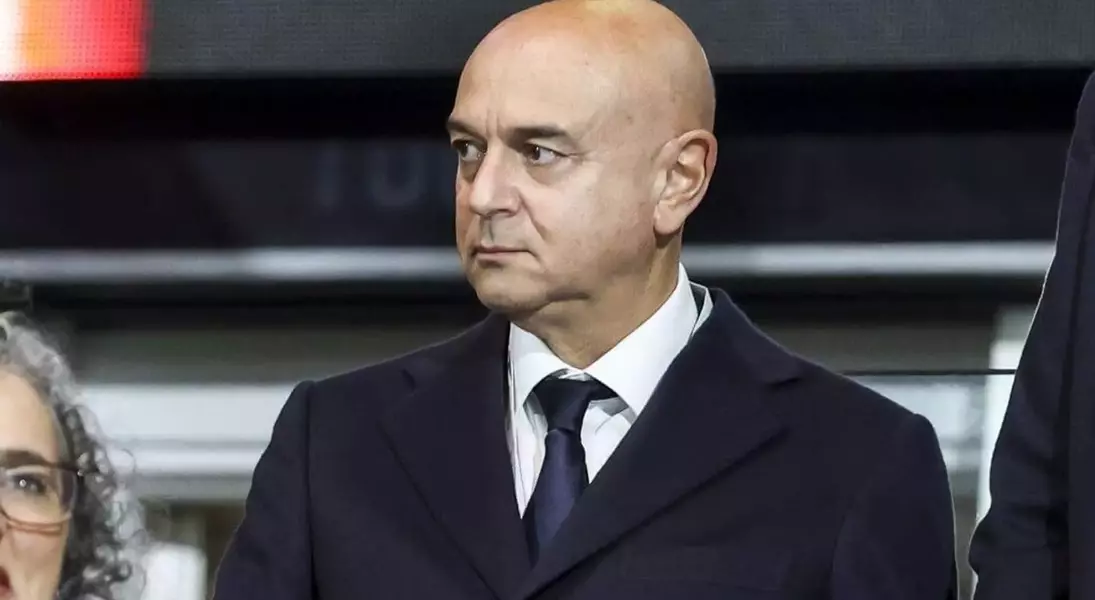
A momentous change has occurred at Tottenham Hotspur with the departure of long-serving chairman Daniel Levy, concluding his extensive 24-year leadership. This pivotal decision, orchestrated by the club's primary stakeholders, the Lewis family, signifies a profound restructuring in Tottenham's operational framework. The announcement of Levy stepping down was conveyed to him recently, paving the way for Peter Charrington, a Lewis family appointee, to assume the newly created position of non-executive chairman. Insiders close to the Lewis family have characterized this transition as the dawn of an invigorated period for Tottenham, emphasizing a clear ambition to elevate the team's on-field success. The ownership's commitment to enhancing performance and achieving more frequent victories underscores their vision for the club's future.
This executive change is the culmination of several strategic modifications implemented within Tottenham's administrative structure over the recent months. Earlier this year, the Lewis family initiated an in-depth performance evaluation, conducted by the U.S. firm Gibb River, which involved consultations with various staff members to identify avenues for improvement. This review coincided with Charrington's appointment to the club's board in March, followed by the confirmation of Vinai Venkatesham as the new CEO in April, and the subsequent departure of executive director Donna-Maria Cullen in June. Furthermore, the managerial hot seat also saw a change, with Thomas Frank succeeding Ange Postecoglou in June, merely two weeks after Postecoglou guided the team to a Europa League triumph. These concerted efforts highlight a deliberate strategy to establish robust new foundations for the club's ongoing development.
The removal of Daniel Levy marks a significant juncture for Tottenham Hotspur, evoking varied reactions from the fanbase. While Levy's tenure saw the club's substantial growth, including the development of a state-of-the-art 62,000-seat stadium — a project he spearheaded — and increased global prominence, his leadership often faced scrutiny regarding on-pitch performance and squad investment. Despite reaching a Champions League final and securing two major trophies during his time, many supporters expressed frustration over perceived lack of ambition, particularly concerning the wage bill in comparison to rivals. This new chapter under Peter Charrington and CEO Vinai Venkatesham, along with the recent coaching changes, aims to unify the club's direction and fulfill the long-held aspirations of its passionate supporters. The future direction of Tottenham's ownership also remains a topic of interest, following Levy's prior discussions with potential investors about a stake sale, indicating a possibility of further transformative shifts ahead.
