The music world recently mourned the loss of Rick Davies, a co-founder of Supertramp, who passed away after a prolonged struggle with multiple myeloma. His bandmates shared heartfelt tributes, acknowledging his profound impact on rock music. Davies' distinctive vocals and mastery of the Wurlitzer organ were central to Supertramp's unique sound, leaving an enduring legacy in the genre. While Supertramp enjoyed significant success in their native England, their tracks like 'Take the Long Way Home' and 'The Logical Song,' both penned and sung by Roger Hodgson, remain staple features on classic rock radio stations globally. Davies' own composition, 'Goodbye Stranger,' achieved considerable commercial success in the U.S., reaching Number 15 on the Hot 100.
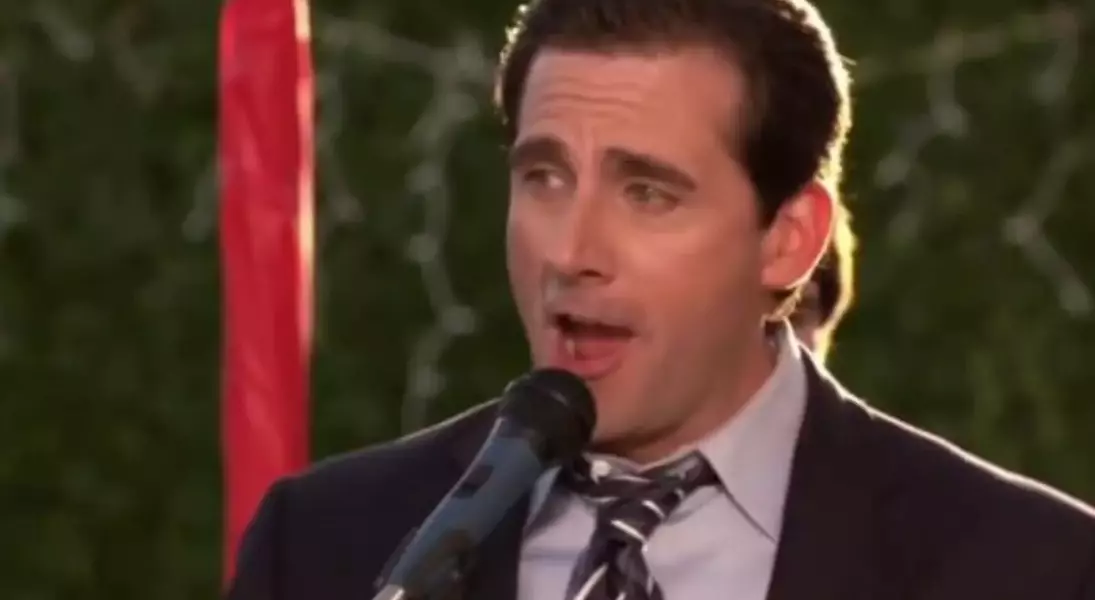
This particular song, 'Goodbye Stranger,' gained an unexpected resurgence in popularity thanks to its inclusion in the fourth season finale of the acclaimed television series, 'The Office.' In the episode, titled 'Goodbye, Toby,' the character Michael Scott delivers a comical, albeit slightly altered, rendition of the song at a farewell gathering for Toby Flenderson, the human resources representative. Scott humorously claims authorship of the tune, changing only a single word from 'stranger' to 'Toby,' and adding an improvised, enthusiastic 'Toby’s going away!' scat section. This memorable moment introduced the classic track to a new audience, further solidifying its cultural relevance.
'Goodbye, Toby' holds significant importance in 'The Office' series, not only for its comedic elements but also for introducing the beloved character Holly Flax, played by Amy Ryan. Many devoted fans consider this episode to be the culmination of the show's 'golden age,' preceding changes in the production team. Despite the perceived decline in later seasons, the enduring popularity of 'The Office' ensures that iconic episodes like 'Goodbye, Toby' continue to be widely enjoyed. Michael Scott’s ill-fated attempt to bid farewell to Toby, despite his nemesis’s eventual return, inadvertently amplified the timeless appeal of Rick Davies' creation, demonstrating how art can transcend its original context and find new life in unexpected ways. The incident showcases the unpredictable nature of cultural impact and the enduring power of music to connect with audiences through various mediums.
