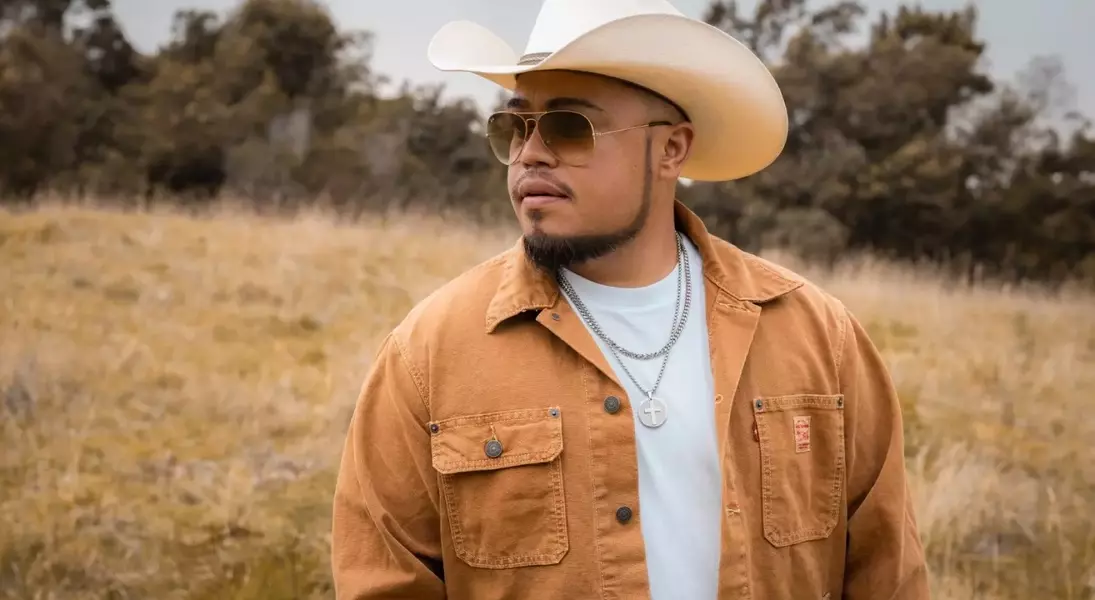
Glenn Awong, known by his stage name Maoli, has skillfully woven the vibrant threads of his Hawaiian heritage into the rich tapestry of country music, creating a distinctive sound that captivates audiences worldwide. His recent album, Last Sip of Summer, marks a significant foray into the country genre, earning critical acclaim and a burgeoning global following. Maoli's artistic journey exemplifies a natural evolution, proving that authentic cultural expression can transcend genre boundaries and achieve widespread appeal.
This innovative approach has not only expanded his listener base but also landed him prestigious opportunities, including a debut performance at Nashville's iconic Grand Ole Opry. His success underscores a powerful narrative of artistic integrity and cultural pride, demonstrating that staying true to one's roots can unlock new avenues for creative exploration and international recognition.
The Evolution of a Sound: From Island Rhythms to Nashville Narratives
Maoli's musical progression from a reggae artist to a country sensation is a testament to his versatility and deep connection to his Hawaiian upbringing. The artist, Glenn Awong, explains that his identity is intrinsically linked to Hawaii's culture and lifestyle, which he effortlessly incorporates into his compositions. This organic integration of his heritage into his music has allowed him to forge a unique path in the industry. The decision to record Last Sip of Summer in Nashville, collaborating with renowned country producers Dann Huff and David Huff, was a deliberate step towards embracing his country influences without compromising his island essence.
The album successfully fuses subtle reggae percussion with traditional country storytelling, creating a sound that is both fresh and familiar. Maoli's distinct Maui accent further enriches this blend, adding an authentic layer to tracks like “Lonely Won't Leave Me Alone.” This strategic shift has not only garnered new fans but also highlighted the unexpected parallels between Hawaiian living and country life, such as the shared appreciation for rural existence and a history of cowboys. By embracing these connections, Maoli has crafted a sound that resonates with diverse audiences, demonstrating the universal appeal of his personal narrative and musical integrity.
Authenticity on Stage: Maoli's Cultural Resonance and Growing Acclaim
The transition to country music has profoundly impacted Maoli's career, attracting a wave of new fans and leading to remarkable success on the touring circuit. Despite beginning his career as a reggae artist, his deep-seated connection to country music, stemming from his upbringing surrounded by cowboy culture and the sounds of legends like George Strait and Willie Nelson, has always been a significant part of his artistic identity. This authentic connection is evident in his music, allowing him to bypass common clichés and deliver a genuine country experience infused with his unique island perspective.
Maoli's recent U.S. tour saw sold-out performances at prestigious venues, including Los Angeles' Greek Theatre and San Diego's Rady Shell, a remarkable feat for an artist making his first major foray into these markets. While his Hawaiian fanbase remains formidable, these successful stateside shows, along with an impressive concert at T-Mobile Arena in Las Vegas, indicate a rapidly expanding national and international presence. This growing recognition culminates in his highly anticipated debut at the Grand Ole Opry in Nashville, a monumental achievement that underscores his rising prominence and the broad appeal of his distinct musical fusion.
