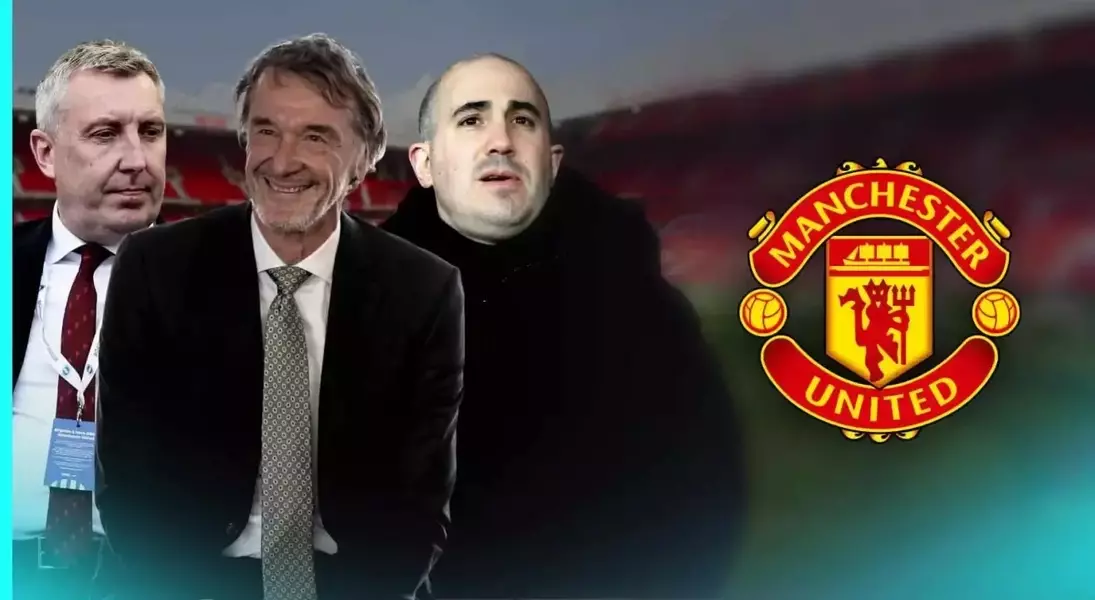
Manchester United's latest transfer decision regarding goalkeeper Andre Onana has raised questions about the club's overall recruitment strategy. The loan of Onana to Trabzonspor, notably without any loan fee or future purchase clause, is viewed by some as a short-term fix that fails to address underlying structural issues within the team's player management. This move, sanctioned under the new leadership of Sir Jim Ratcliffe, reflects a pattern of reactive rather than proactive solutions, potentially setting the stage for recurring challenges.
Manchester United's Goalkeeper Loan Deal Under the Spotlight
In a recent development, Manchester United announced the loan of their goalkeeper, Andre Onana, to Turkish club Trabzonspor. This agreement, finalized on a Wednesday night, permits Onana to join Trabzonspor until June 2026, as confirmed by transfer expert Fabrizio Romano. Significantly, the deal includes no option for Trabzonspor to permanently acquire Onana nor any loan fee for Manchester United. This decision came as the club, led by co-owner Sir Jim Ratcliffe and his newly assembled "world-class" recruitment team including chief executive Omar Berrada and director of football Jason Wilcox, sought to address a challenging situation with the player. Onana, reportedly a disruptive presence within the squad and disinclined to acknowledge head coach Ruben Amorim, had become a priority for departure. While the immediate objective of offloading Onana was achieved, the terms of the deal—specifically the absence of a buy clause or fee—suggest a willingness from Manchester United to simply alleviate an immediate problem, potentially at the cost of long-term financial and squad planning. This contrasts sharply with the more robust selling strategies seen at other top clubs like Liverpool and Chelsea, leading to concerns that United might face a similar dilemma with Onana upon his return in two years, as he remains under contract until 2028. This temporary solution hints at a broader issue within the club's transfer policy, where expedient exits sometimes overshadow strategic, financially sound planning.
This situation serves as a critical lesson in strategic sports management, emphasizing that short-term relief can often mask long-term complications. For a club with Manchester United's stature, decisions like Onana's loan highlight the necessity of comprehensive planning that extends beyond immediate squad dynamics. It underscores the importance of a clear, decisive transfer policy that not only addresses current challenges but also secures the club's future financial health and competitive edge. The episode prompts reflection on how top-tier football clubs navigate complex player relationships and market dynamics while maintaining a vision for sustained success.
