The recent transfer period has profoundly reshaped Manchester United, reflecting a dramatic shift in its strategic approach under the new leadership of Sir Jim Ratcliffe. This transformation saw the club prioritize calculated decisions over sentiment, leading to significant changes in player personnel and a rigorous financial overhaul. From the surprising exit of a beloved striker to ambitious financial restructuring, the summer unveiled a club determined to forge a new path. This period was characterized by a bold, often unsentimental, stance on player trading and a determined push to enhance the club’s financial stability through innovative initiatives.
Premier League Titans Navigate Complex Transfer Market
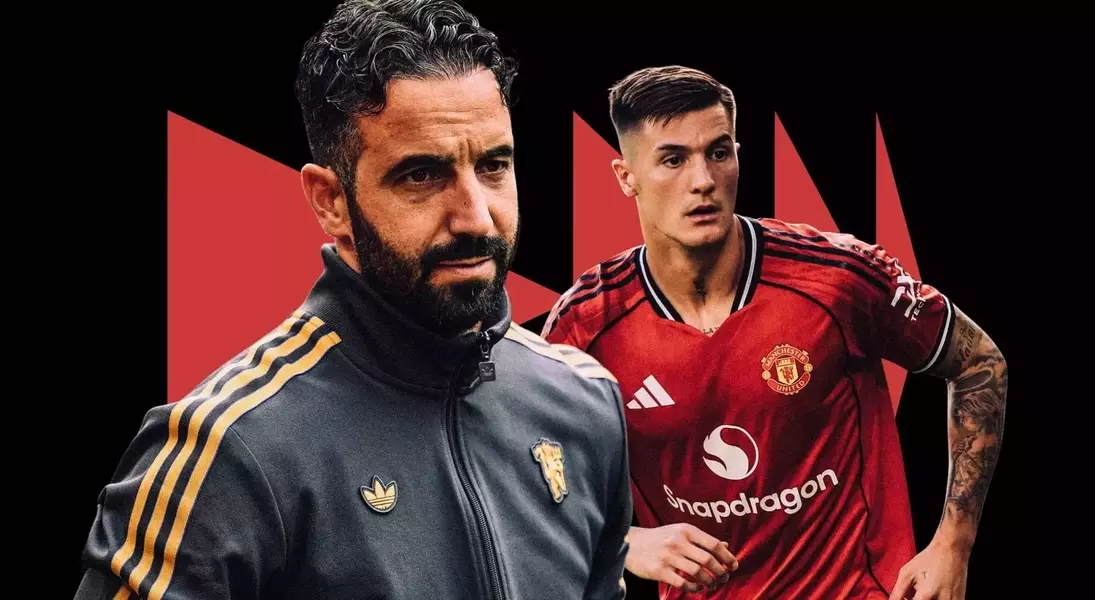
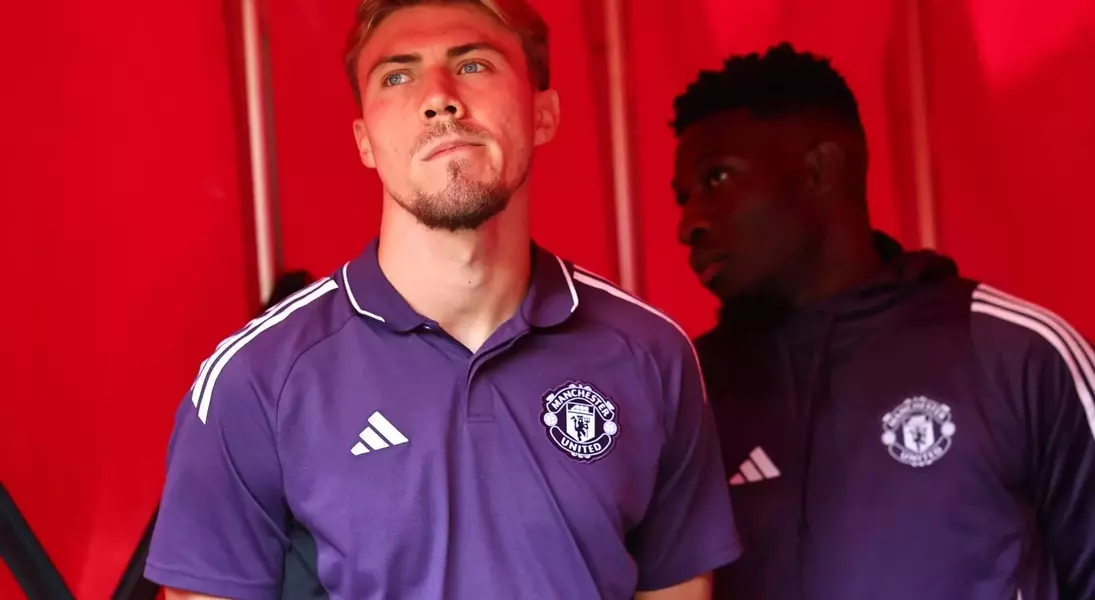
In a pivotal moment for the club, the summer transfer window witnessed a dramatic reorientation of Manchester United's player strategy. The most striking move was the departure of young striker Rasmus Hojlund, a player deeply committed to the club he supported since childhood. Despite his fervent desire to remain at Old Trafford, the new football leadership, comprising Chief Executive Omar Berrada, Director of Football Jason Wilcox, and Head Coach Ruben Amorim, made a calculated decision to facilitate his move to Napoli. This bold choice paved the way for the acquisition of Benjamin Sesko, a new forward intended to spearhead the team's attack. Hojlund's absence from crucial pre-season fixtures, including the U.S. tour against Everton and the friendly against Fiorentina, as well as the opening Premier League match against Arsenal, underscored the club's firm resolve. He was also notably omitted from the squads facing Fulham and Grimsby Town, clearly signaling the shift. The agreement for Hojlund's season-long loan to Napoli, involving a €6 million fee and a €44 million buy option contingent on Champions League qualification, finalized on a recent Saturday. This decision, though heartbreaking for Hojlund, exemplified the new regime's unsentimental operational style.
Amidst these significant movements, Manchester United's strategic financial initiatives, dubbed 'Project 90', aim to generate an additional £90 million annually. This financial objective will be pursued through operational efficiencies, enhanced commercial agreements, and a more astute approach to player trading, which, if successful, promises increased prize money and broadcasting revenues. The club has also secured additional lending capacity on its revolving credit facility, expanding its limit to £300 million to ensure immediate access to funds crucial for backing Amorim's vision, all while striving to achieve a zero balance and accumulate its own cash reserves.
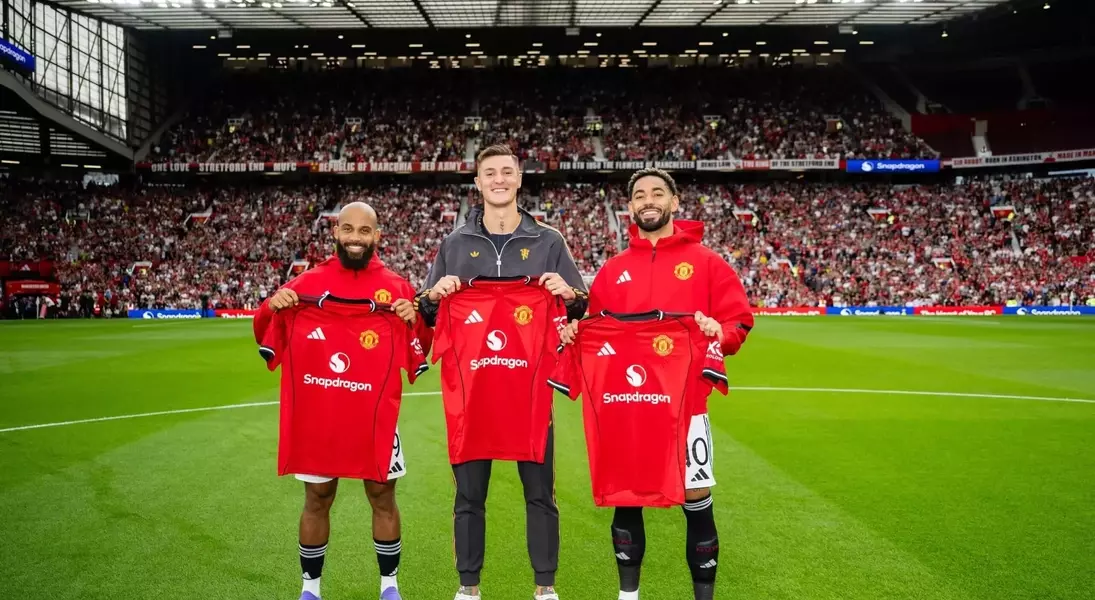
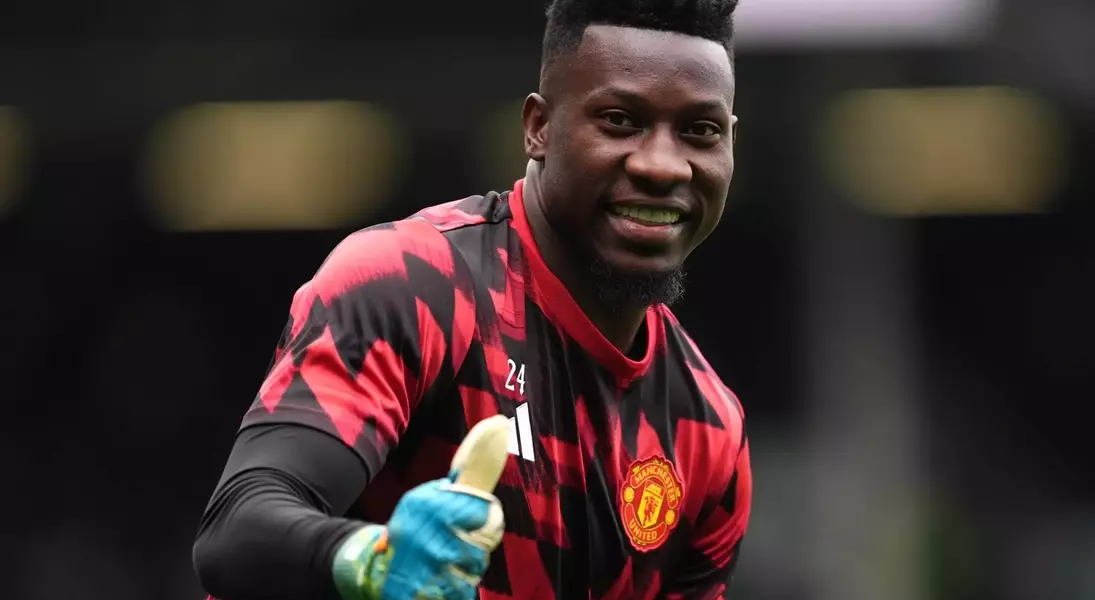
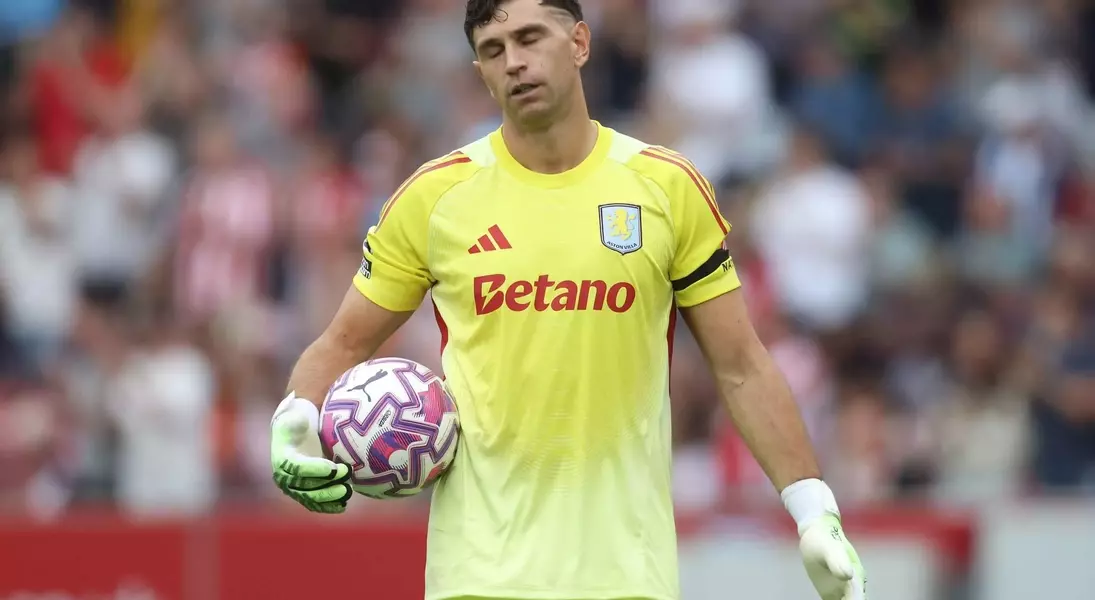
Further intensifying the transfer saga, the pursuit of goalkeepers became a central narrative. Despite initial plans to retain their current lineup, a pre-season injury to Andre Onana prompted Manchester United to explore new options. This search led to intense negotiations, with Head Coach Amorim showing a keen interest in World Cup-winning goalkeeper Emiliano Martinez due to his leadership and experience. However, financial constraints and Martinez's substantial contract with Aston Villa made a permanent deal challenging. Instead, the club turned its attention to young talent Senne Lammens from Royal Antwerp. After protracted discussions and a last-minute flight to Manchester, United secured Lammens for €21 million, plus €4 million in add-ons, successfully meeting Antwerp's €25 million valuation. This acquisition added a fourth goalkeeper to the squad, highlighting the club's commitment to strengthening this crucial position.
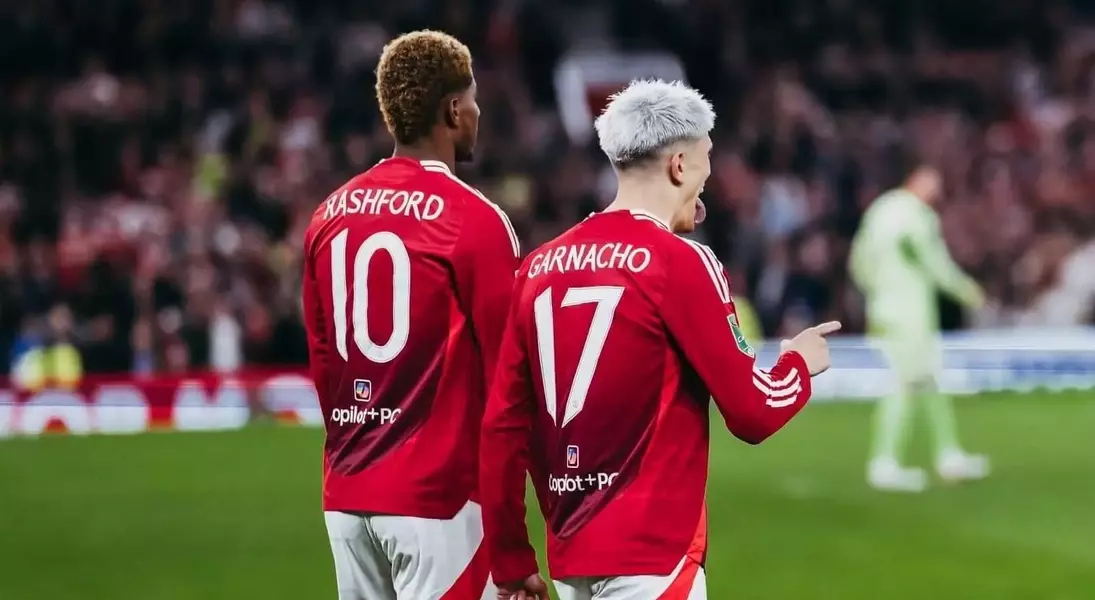
The summer also saw the departures of several key players, including Alejandro Garnacho, Antony, Jadon Sancho, and Marcus Rashford, as part of a broader strategy to streamline the squad and generate significant transfer funds. Garnacho's move to Chelsea for £40 million concluded a much-anticipated transfer, while Antony's transfer to Real Betis for €22 million, plus €3 million in add-ons, marked another notable exit. Sancho's loan to Aston Villa, with Villa covering a significant portion of his wages, and Rashford's eventual move to Barcelona, collectively contributed to the club's financial targets. Despite initial projections of £100 million from player sales, the club has generated approximately £80 million, including loan fees and sell-on clauses, with Hojlund's permanent deal potentially pushing them beyond this goal. This rigorous approach to player trading underscored the club's commitment to financial prudence and strategic reinvestment, signaling a new era of management under the Ratcliffe hierarchy.
A Strategic Chess Game: The New Era of Football Management
The recent transfer window at Manchester United serves as a compelling case study in the evolving landscape of modern football management. From a spectator's standpoint, it's clear that the romanticism often associated with player loyalty is being replaced by a more cold, hard, data-driven calculus. The decision to offload a player like Hojlund, who genuinely loved the club, in favor of a new acquisition speaks volumes about the shifting priorities. It highlights a pragmatic, almost clinical, approach where performance metrics and strategic fit outweigh emotional ties. This new paradigm, while potentially unsettling for fans, might be the necessary, albeit harsh, reality for clubs aiming for sustained success in an increasingly competitive and financially regulated environment. The focus on 'Project 90' and the meticulous management of financial fair play are not just about balancing books; they are about laying a robust foundation for future competitiveness. The summer's events suggest that Manchester United is no longer content with reactive measures but is actively shaping its destiny through decisive, often unpopular, actions, signaling a new, perhaps more resilient, chapter in its storied history.
