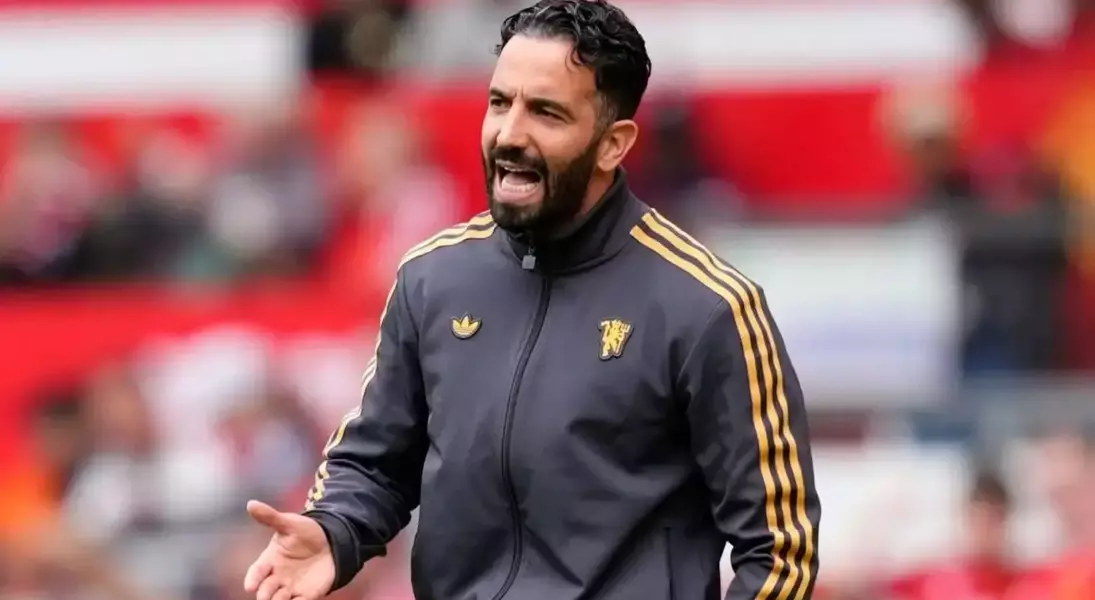
In the frantic final moments of the transfer window, Manchester United reportedly launched a last-ditch effort to secure Lyon's promising winger, Malick Fofana. This pursuit unfolded as the Red Devils navigated a significant roster change, having finalized the sale of Alejandro Garnacho to Chelsea, and contending with a fresh injury setback to key player Matheus Cunha.
Manchester United's Eleventh-Hour Pursuit of Lyon Winger Malick Fofana
As the summer transfer window drew to a close, a striking development emerged from the Premier League: Manchester United reportedly made a hurried attempt to sign Lyon's talented winger, Malick Fofana. This late maneuver on transfer deadline day followed the confirmed transfer of Alejandro Garnacho to Chelsea for a reported sum of £40 million, a move that created both financial flexibility and a void in the attacking lineup for the Old Trafford club. Adding to the urgency, striker Matheus Cunha sustained an injury during a match against Burnley on August 30, further highlighting the need for offensive reinforcements.
Under the stewardship of Ruben Amorim, Manchester United had experienced a challenging inaugural season, culminating in a 15th-place finish in the Premier League and a heart-wrenching defeat to Tottenham Hotspur in the Europa League final. Despite missing out on the lucrative Champions League football, the club's new financial backers, INEOS, demonstrated significant investment during the summer. Over £200 million was reportedly injected into strengthening the squad, bringing in notable talents like Bryan Mbeumo, Matheus Cunha, Benjamin Sesko, goalkeeper Senne Lammens, and young wing-back Diego Leon.
Leading up to the transfer period, Amorim had clearly outlined his plans, indicating that several players, including Garnacho, Marcus Rashford, Antony, Jadon Sancho, and Tyrell Malacia, were not central to his long-term vision. By September 1, all but Malacia had departed, with Antony, Garnacho, and Sancho finalizing their exits on deadline day after prolonged speculation. The departure of Garnacho, in particular, was expected to free up substantial funds and create an opening for a new attacking talent.
According to reports from Foot Mercato, Manchester United indeed acted on this opportunity by approaching Olympique Lyonnais for Malick Fofana. The Belgian winger had already attracted considerable attention throughout the summer, with Chelsea, Everton, Liverpool, and Nottingham Forest all linked to his services. United's entry into the race was a late, yet determined, effort. It is suggested that behind the scenes, the Red Devils exerted considerable pressure to try and 'snatch' the Lyon forward. Jorge Mendes, though not Fofana's direct representative, reportedly acted as an intermediary, facilitating discussions between Manchester United and Fofana's father. While Fofana himself was reportedly 'tempted by the idea of joining' United, the English club awaited a definitive 'signal from the player's father' to initiate formal negotiations. However, this crucial signal never materialized, effectively sealing Fofana's immediate future at Lyon and bringing United's pursuit to an anticlimactic end.
This episode serves as a vivid reminder of the unpredictable and often intense nature of football's transfer market. For Manchester United, it underscores the ongoing challenges in squad rebuilding and adaptation under a new managerial regime. The club's ambitious spending and late-window activity reflect a clear desire to bounce back from a difficult season and compete at the highest level. However, the failure to secure Fofana highlights the complexities of player negotiations and the influence of various stakeholders, including family and agents. Moving forward, United will need to carefully assess their recruitment strategies to ensure they can attract and secure their primary targets, avoiding such last-minute disappointments. The saga also prompts reflection on the broader impact of key player departures and injuries on a club's immediate transfer priorities.
