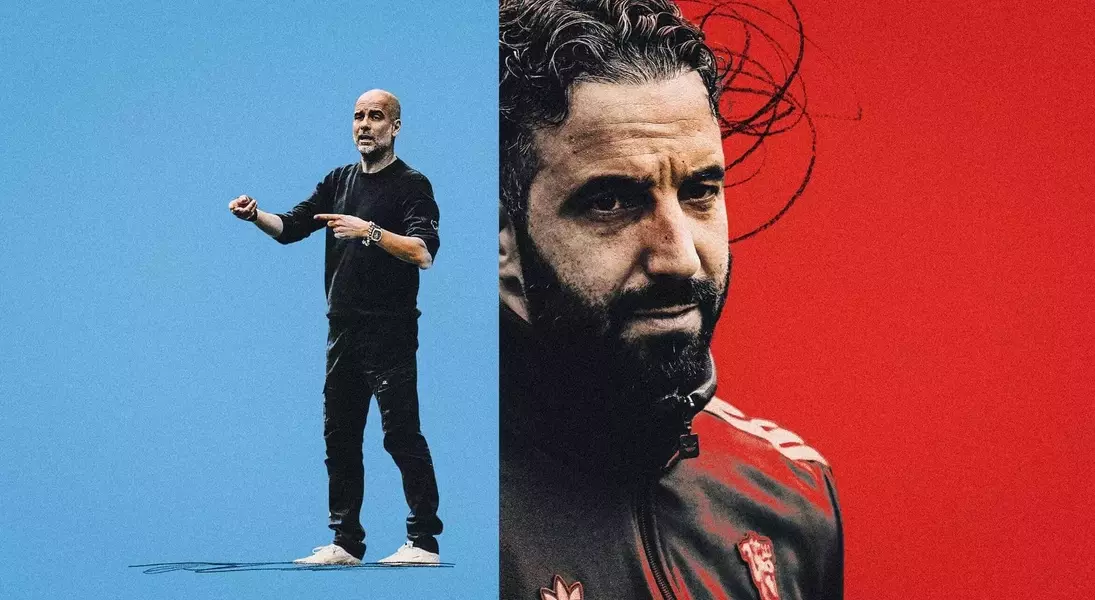
This piece delves into the contemporary state of the Manchester football rivalry, examining the contrasting trajectories of Manchester City and Manchester United. It explores how City's sustained success under Pep Guardiola has created a significant gap, while United continues to navigate periods of uncertainty and underperformance. The analysis covers the historical intensity of the derby, its recent diminished fervor, and the strategic decisions impacting both clubs, particularly in light of an upcoming crucial match.
The Evolving Saga of Manchester Football: A Battle of Ideologies and Ambitions
The Diminished Intensity of a Storied Rivalry: How the Manchester Derby Lost its Spark
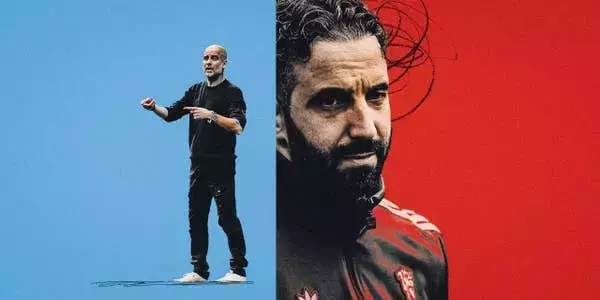
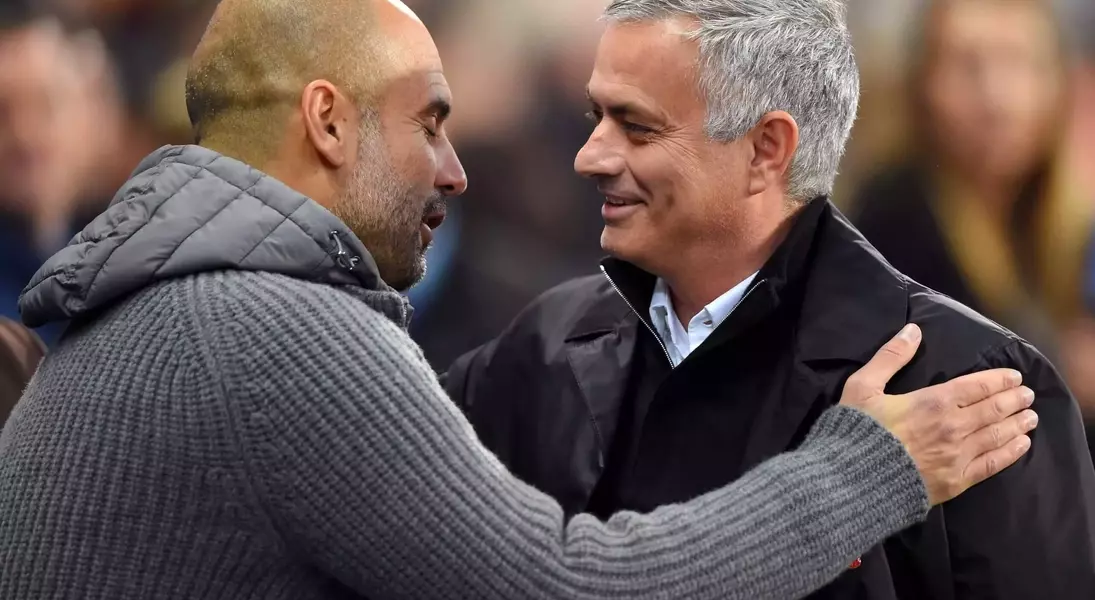
When Pep Guardiola first arrived in Manchester in September 2016, there was an air of anticipation that his rivalry with Jose Mourinho would elevate the Manchester derby to an unprecedented level of sporting drama. Comparisons were drawn to legendary contests like Ali vs Frazier or Borg vs McEnroe. For a period, this prophecy seemed to hold true. Every encounter was a major event, featuring touchline battles between Guardiola and Mourinho, midfield clashes between Kevin De Bruyne and Paul Pogba, and striking showdowns involving Sergio Aguero and Zlatan Ibrahimovic. The matches were electrifying, both on and off the field, famously culminating in a tunnel altercation after a 2017 derby, fueled by Manchester City's celebratory music choices.
The Rise of City's Dominance: A Decade of Unrivaled Success
However, Manchester City's ascent under Guardiola's leadership was so profound that the rivalry became increasingly one-sided. The power dynamic, once tilted in United's favor, shifted dramatically. Despite notable victories against City, managers like Ole Gunnar Solskjaer and Erik ten Hag, who succeeded Mourinho at United, never truly mounted a sustained challenge for the top honors. While Mourinho and Solskjaer did lead United to second-place finishes in the Premier League in 2018 and 2021, these were not genuine title bids. City has been the undisputed powerhouse of the Premier League for the past decade, while United frequently served as a topic of captivating discussion, but not for their on-field dominance. The vision of Manchester as the "global capital of football" often cited by the city's mayor, Andy Burnham, has yet to fully materialize, largely due to Manchester United's struggles under the ownership of the Glazer family.
Guardiola's Blueprint for Success: A Clear and Unified Vision
Guardiola himself acknowledged the significant disparity between the two clubs a few years ago, shortly after securing City's first Champions League title and their sixth Premier League title in seven seasons. He expressed surprise at United's struggles, given their roster of top-tier players. Guardiola attributed City's consistent success to a clear, cohesive vision that was in place even before he joined the club. The appointment of former Barcelona executives, Ferran Soriano and Txiki Begiristain, was a strategic move aimed at luring him to the club, underscoring a unified approach from the outset.
United's Search for Clarity: Raiding City for a New Direction
The stark contrast between the two clubs prompted Sir Jim Ratcliffe, upon acquiring a significant stake in United, to bring in Omar Berrada, a former City executive, hoping to instill a similar sense of clarity and strategic direction at Old Trafford. However, this shift has yet to yield significant results. While there have been organizational changes and rhetoric about cultural resets, the Ratcliffe era at United has, to a large extent, mirrored the previous decade, which remained firmly under City's dominance.
The Fading Spectacle: A Derby Lacking Its Former Fire
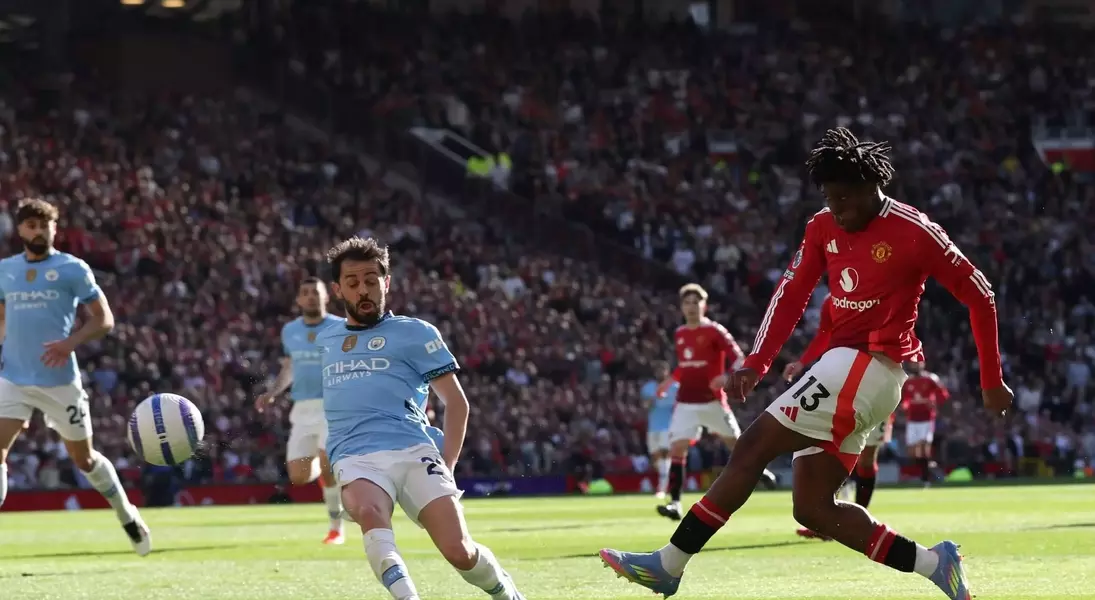
Recent Manchester derbies have occasionally offered glimpses of the past, with resounding City victories punctuated by moments where United briefly asserted themselves, such as in the 2024 FA Cup final. Yet, the intense rivalry reminiscent of the Mourinho vs Guardiola era, or even the earlier Sir Alex Ferguson vs Roberto Mancini battles, has not been sustained. For United supporters, it's a difficult reality that the most captivating matches in Manchester recently have been those featuring Liverpool or Arsenal against City. The last Manchester derby, a forgettable 0-0 draw at Old Trafford last April, epitomized this decline. The lack of intensity was so striking that Sky Sports' post-match discussion centered on the overly amicable nature of the players, with former United captain Gary Neville lamenting a "love-in" between the two sides.
A Shift in Premier League Dynamics: Beyond the Manchester Rivalry
This softened intensity in the Manchester derby partly reflects a broader trend in the modern Premier League, which some perceive as becoming too sanitized and cordial. In contrast, City's recent encounters with Arsenal have been tumultuous, while their matches against Liverpool, though less antagonistic, have often showcased football of the highest caliber. Even United's dramatic 2-1 victory at the Etihad last December, early in Ruben Amorim's tenure, saw the intensity quickly dissipate.
The Impending Clash: High Stakes Amidst Early Season Struggles
The upcoming Manchester derby at the Etihad Stadium on Sunday arrives with a sense of urgency. Unlike the September 2016 clash, where both Guardiola and Mourinho had enjoyed strong starts, this match finds both teams grappling with early-season struggles. This malaise is a familiar feeling for United, but an unwelcome one for City, who had hoped to leave their previous season's slump behind. City's current form is particularly concerning, having lost two of their first three Premier League games for the first time since the 2004-05 season. Despite a strong opening against Wolves, they have since suffered home defeats to Tottenham Hotspur and a disheartening loss away at Brighton & Hove Albion, raising questions about their form.
United's Unanswered Questions: A Team in Flux
For the first time since December, City enters a derby trailing their rivals in the Premier League standings. However, United, with only four points from three games, has not exactly set the league alight. While new signings like Matheus Cunha and Bryan Mbeumo have injected some much-needed attacking dynamism, many questions linger about Amorim's team. A humiliating Carabao Cup defeat at Grimsby Town prompted sharp remarks from Amorim, who suggested the players' performance spoke volumes about their commitment. Amorim's tactical philosophy, evident since his arrival in Manchester last November, is a point of contention. Supporters view it as a sign of conviction, while skeptics see it as a rigid adherence to a system that has only yielded 31 points from 30 Premier League matches. There's also widespread bewilderment that United's £200 million summer transfer spending failed to address persistent weaknesses in central midfield.
Guardiola's Evolving Philosophy: Adaptation Amidst Success
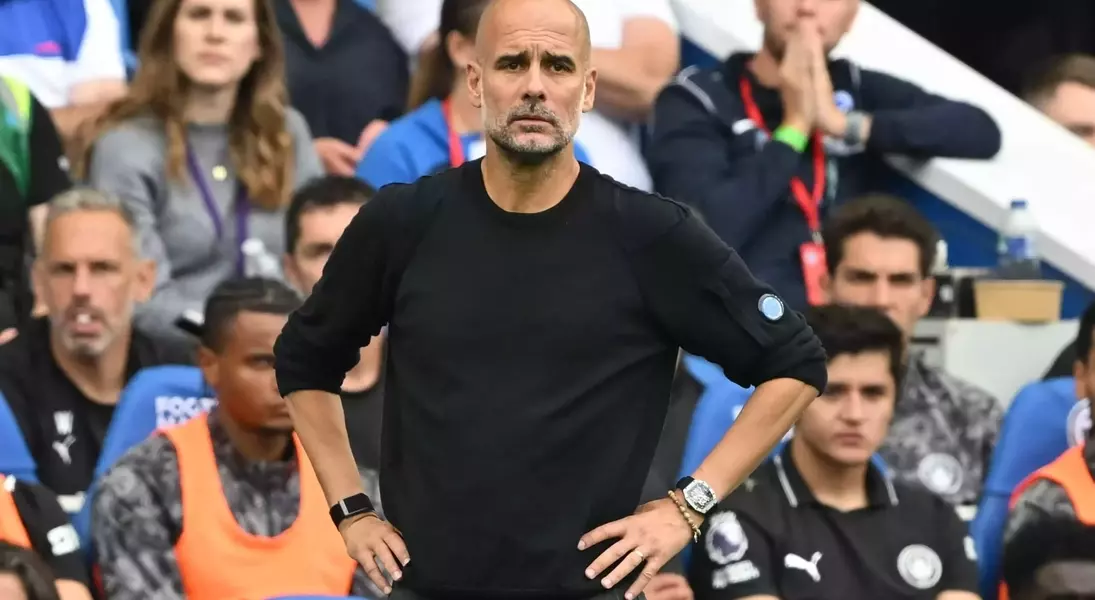
Guardiola himself has demonstrated the importance of unwavering adherence to a playing style in the Premier League. His initial tenure at City, marked by controversial decisions like replacing Joe Hart with Claudio Bravo for his ball-playing ability and prioritizing intricate, possession-based football in a more attritional league, initially drew criticism. However, Guardiola's commitment to his philosophy has brought unprecedented success to City. Yet, is his vision still as clear in 2025? The manager who emphasized the importance of goalkeepers' ball-playing skills has now signed Gianluigi Donnarumma, who fell out of favor at Paris Saint-Germain due to his perceived deficiencies with the ball at his feet. Donnarumma's potential debut against United sparks debate, highlighting Guardiola's significant influence on English football culture. Despite sarcastically dismissing suggestions of a tactical shift, Guardiola's approach has undeniably evolved. Previously, a ball-playing goalkeeper and a multi-functional center-forward were non-negotiable. Now, he has Donnarumma and Erling Haaland, a prolific goalscorer who sometimes appears reluctant to engage outside the penalty area. Other shifts include deploying central defenders at full-back and incorporating players like Mateo Kovacic, Matheus Nunes, Jack Grealish, and Jeremy Doku, who seemingly lack qualities previously required of midfielders and wide forwards in a Guardiola team. Guardiola acknowledges the need to adapt to new tactical trends, but the current City squad, after numerous changes, has struggled with this adjustment, as seen in their recent defeat to Brighton. While top managers must evolve, it is striking that PSG's dominant European campaign last season bore more resemblance to Guardiola's earlier Barcelona, Bayern Munich, and City teams than his current side. Furthermore, questions about Guardiola's long-term commitment and energy levels persist, particularly as he grapples with finding solutions to recent setbacks.
The Stakes Are Higher Than Ever: A Pivotal Moment for Both Clubs
Amorim, too, appears deeply affected by every setback, and his first 10 months in Manchester have been fraught with them. Sunday's derby presents a crucial opportunity for both managers to build momentum. Despite the challenging start to the season, a victory in the derby could significantly improve the team's morale. Conversely, a defeat would amplify existing negativity. By Sunday evening, either City, United, or both, if the match ends in a draw, will find themselves with only one win from their first four Premier League matches. The situation could worsen, with tough fixtures against Arsenal and Chelsea looming next weekend. All these factors heighten the stakes for the Manchester derby, a match where the atmosphere is charged precisely because of the current low mood surrounding both clubs. While this territory is all too familiar for United, it marks a strange and unsettling period for City and their younger supporters, who have grown accustomed to continuous success.
