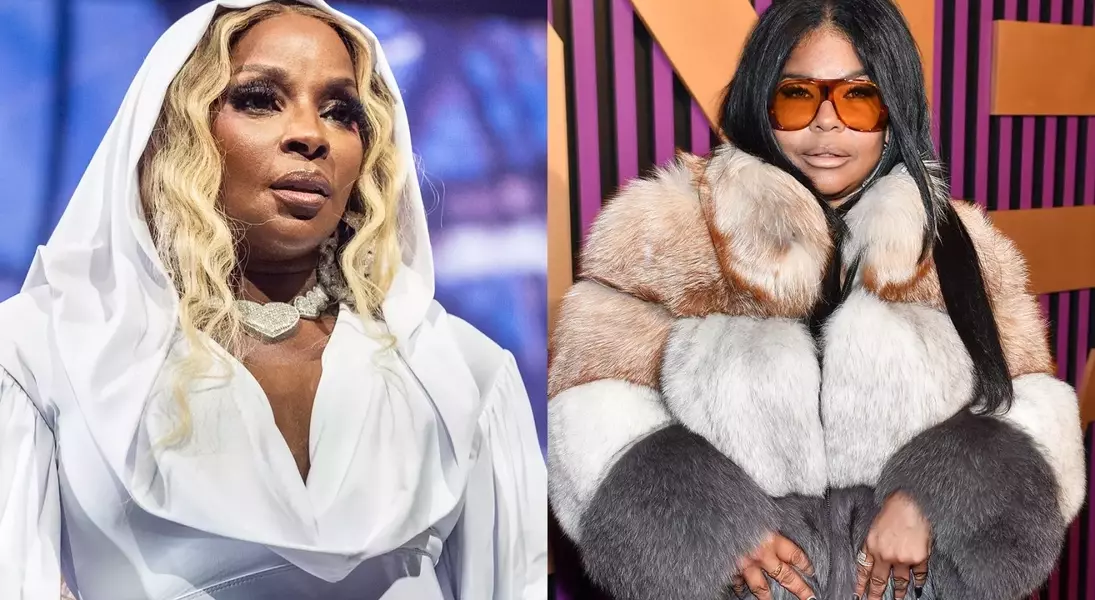
A high-stakes legal battle is currently unfolding between Grammy-winning artist Mary J. Blige and Misa Hylton, a former stylist and long-time friend with ties to Sean Combs. This dispute, rooted in allegations surrounding the management and recording career of rapper Vado, has exposed deep rifts between the two women. Blige's legal team has unequivocally rejected Hylton's claims, characterizing them as unfounded and malicious. The core of Blige's defense rests on the assertion that Hylton's company lacks legitimate corporate status and that Hylton herself operates without a proper talent agent license. This escalating conflict not only impacts the careers of those involved but also highlights the complexities and often contentious nature of professional relationships within the music industry.
This ongoing legal entanglement underscores the fragile line between personal relationships and professional obligations, particularly in the high-pressure environment of entertainment. The details emerging from court filings reveal a contentious struggle over artistic control and financial interests, with both parties fiercely defending their positions. The outcome of this case could set precedents for how similar disputes are handled, emphasizing the importance of clear contractual agreements and adherence to licensing regulations for talent management entities. As the legal proceedings advance, the broader implications for artists and their teams in navigating intricate industry dynamics will undoubtedly draw significant attention.
The Legal Feud Intensifies
A heated legal confrontation has erupted between music legend Mary J. Blige and Misa Hylton, a stylist and former associate of Sean Combs. Blige is forcefully refuting Hylton's lawsuit, which alleges contractual interference concerning rapper Vado and an attempt to lure him to Blige's own production company, Beautiful Life Productions. Blige's legal team has labeled Hylton's claims as "blatantly frivolous" and "stunning," petitioning the court for outright dismissal and demanding financial penalties against Hylton and her counsel for pursuing what they deem "meritless" litigation. Hylton's complaint paints a picture of Blige intentionally undermining her management relationship with Vado through covert meetings in "intimate and inappropriate" settings like late-night yacht excursions and hotel rooms, thereby "purposefully sabotaging" Hylton's professional connection with the artist.
Blige and her legal representatives are dismantling Hylton's case by asserting that M.I.S.A. Management, Hylton's company, is not a properly registered corporation and that Hylton herself is not a licensed talent agent, a legal prerequisite for such activities. They contend that Hylton's lawsuit is primarily motivated by personal animosity towards Blige, aiming to harass and inflict damage. Simultaneously, Vado, identified as Teeyon Winfree in court documents, has also initiated legal action against Blige, claiming that her company has unjustly withheld the release of his music. He is seeking a substantial $5 million for alleged breach of contract and an additional $5 million for intentional infliction of emotional distress. This multi-faceted legal battle reveals a complex web of personal history, professional grievances, and significant financial stakes.
Contractual Allegations and Countersuits
Following the initial lawsuits from Hylton and Winfree, Blige's legal counsel, including prominent music industry litigator Lisa Moore, swiftly demanded a withdrawal of the claims. They pointed to public records from the New York State Department of State, which indicated that Hylton's company, M.I.S.A. Management, was not a "duly organized New York Corporation." This lack of proper corporate standing, according to Blige's lawyers, invalidates Hylton's ability to demonstrate a legitimate agreement necessary for a tortious interference with contract claim, suggesting that Hylton and her legal representation were either aware or should have been aware of this fundamental flaw before filing their "baseless" claim.
Blige's legal team further argued that any delays in the release of Winfree's music were attributable to his own shortcomings, specifically his failure to provide marketable material and neglected to secure necessary consents and clearances, despite multiple requests. They also alleged that Hylton had already received more than her rightful compensation, claiming she took an excessive commission on over $300,000 paid to Winfree, which was subject to recoupment under his recording contract. Adding another layer to their defense, Blige's representatives presented a text message purportedly from Winfree, where he allegedly expressed consideration of terminating his relationship with Hylton independently. This evidence aims to undermine the credibility of Hylton's claims and shift accountability to Winfree for the issues surrounding his music's release.
