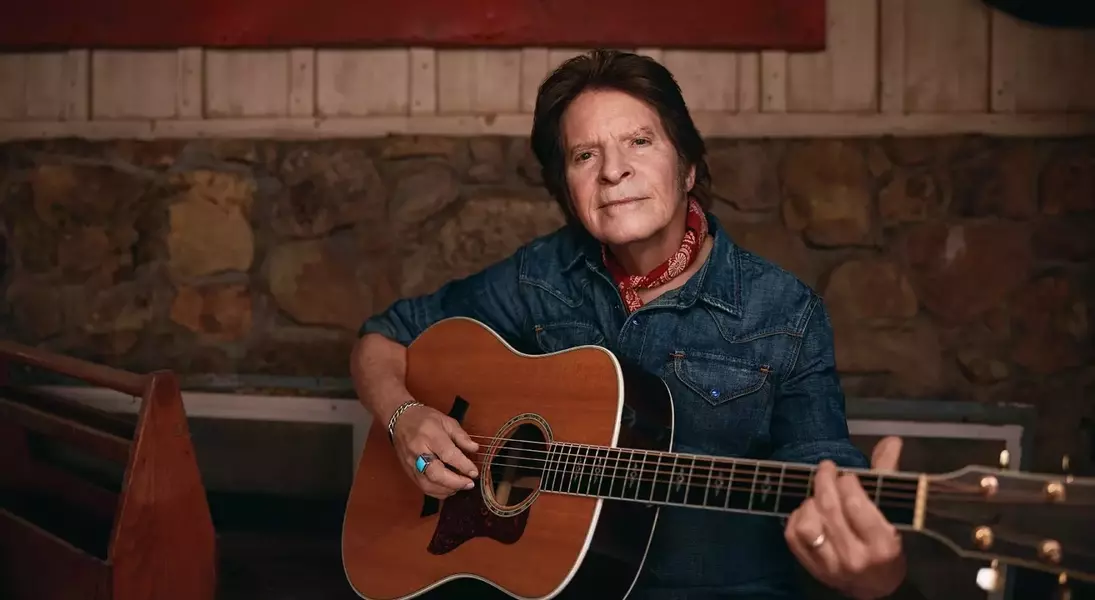
John Fogerty, the creative force behind Creedence Clearwater Revival, recently provided an insightful retrospective on his iconic musical journey. In a candid interview, he reflected on the unparalleled impact he had on the band's output, likening his singular songwriting role to that of the Beatles, yet emphasizing his independent effort. This introspective look comes as he prepares to release a new album, a collection of re-recorded Creedence classics, in collaboration with his sons. Beyond discussing his artistic endeavors, Fogerty also touched upon broader cultural topics, including his admiration for Bruce Springsteen's political outspokenness and his dismissive stance on the burgeoning field of AI-generated music. He further offered a rare acknowledgment of the unique collaborative dynamic that defined the original Creedence lineup and revealed the intense, desperate energy that propelled their extraordinary productivity in 1969, a year that saw them release three seminal albums.
His reflections offer a multifaceted view of an artist deeply connected to his past, yet acutely aware of contemporary shifts in music and society. Fogerty's journey from solo visionary within a band to a re-interpreter of his own history, all while maintaining a keen eye on the evolving landscape of the music industry, paints a compelling picture of enduring artistry.
A Solo Visionary's Enduring Legacy
John Fogerty recently shared profound insights into his pivotal role within Creedence Clearwater Revival, asserting his singular songwriting and creative contributions. He emphasized his unique position, drawing a parallel to the Beatles' collective genius but highlighting his individual authorship of the band's catalogue. This reflection coincides with the upcoming release of his album, 'Legacy: The Creedence Clearwater Revival Years,' where he revisits beloved tracks alongside his sons, offering a fresh perspective on timeless hits such as “Born On the Bayou” and “Have You Ever Seen the Rain.”
During the discussion, Fogerty openly praised the distinct synergy that characterized the initial Creedence lineup, acknowledging the irreplaceable element each member brought to their recordings. Despite past tensions, his appreciation for their collective musical alchemy underscores the profound impact of their original collaborations. He also revealed the intense circumstances that drove Creedence's astonishing productivity in 1969, a period during which they released three classic albums. Fogerty described this prolific output as a desperate response to the pressures of maintaining relevance after their initial success, an urgent drive to solidify their place in the music scene before the spotlight shifted elsewhere. This candid revelation sheds light on the often-unseen struggles behind creative breakthroughs, underscoring how adversity can fuel artistic innovation.
From Creative Peaks to Cultural Commentary
Beyond his musical recollections, John Fogerty offered insightful commentary on broader cultural and political themes. He expressed strong admiration for Bruce Springsteen's willingness to articulate his political convictions, particularly concerning figures like Donald Trump. Fogerty noted that while their viewpoints may diverge, he respects Springsteen's courage in voicing his values, even suggesting that Trump's direct acknowledgment of Springsteen inadvertently amplified the musician's message, a tactical misstep that even a shrewd politician like Richard Nixon would have avoided.
Shifting to the evolving landscape of music technology, Fogerty voiced a strong disapproval of AI-generated music. He dismissed such creations as mere "elevator music," devoid of genuine emotion, experience, or artistic struggle. His critique highlights a purist's perspective on music, emphasizing the human element of "angst" and authentic experience as indispensable ingredients for meaningful artistic expression. He traced the distinctive "swampy" guitar sound, famously heard in “Born in the Bayou,” to his admiration for Pops Staples' tremolo technique, illustrating how classic sounds are born from authentic influence and innovative adaptation rather than algorithmic generation. This deep dive into his creative process, coupled with his sharp observations on contemporary issues, underscores Fogerty’s enduring relevance as both a musician and a cultural commentator.
