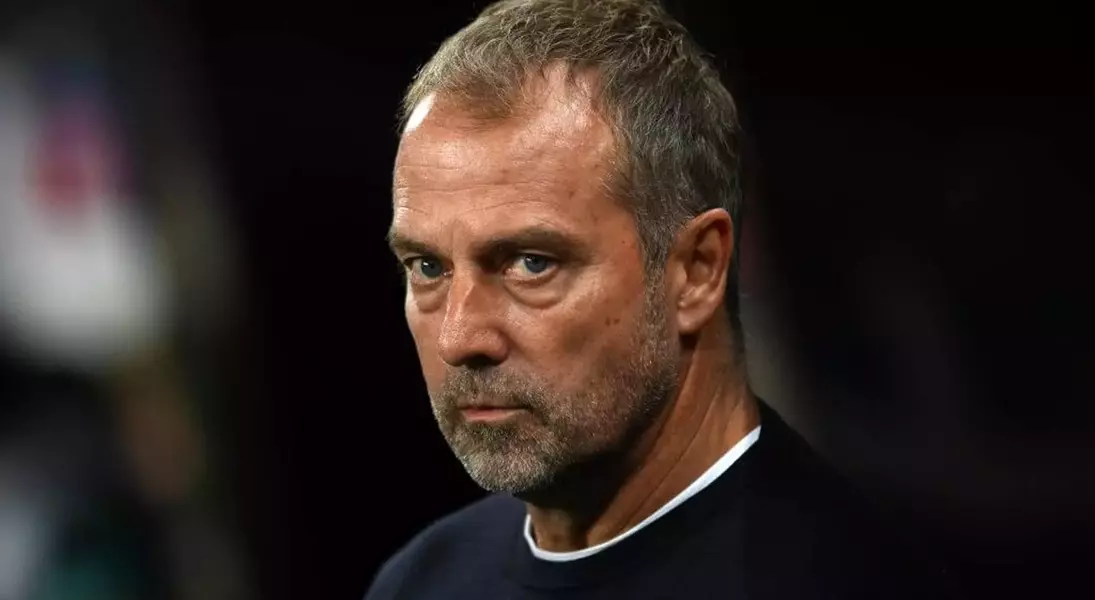
Hansi Flick's tenure as Barcelona's head coach, beginning in the summer of 2024, has ushered in a new era of stringent discipline and heightened expectations. Following a season marked by apathy and the departure of previous manager Xavi, Flick meticulously restructured the team's operations. His philosophy prioritizes punctuality, commitment, and a strong collective ethos, leading to a notable transformation in player conduct and team performance. This uncompromising approach, while sometimes leading to difficult decisions, has been instrumental in cultivating a more professional and accountable environment within the club, ultimately contributing to their domestic treble win and a Champions League semi-final appearance in his inaugural season.
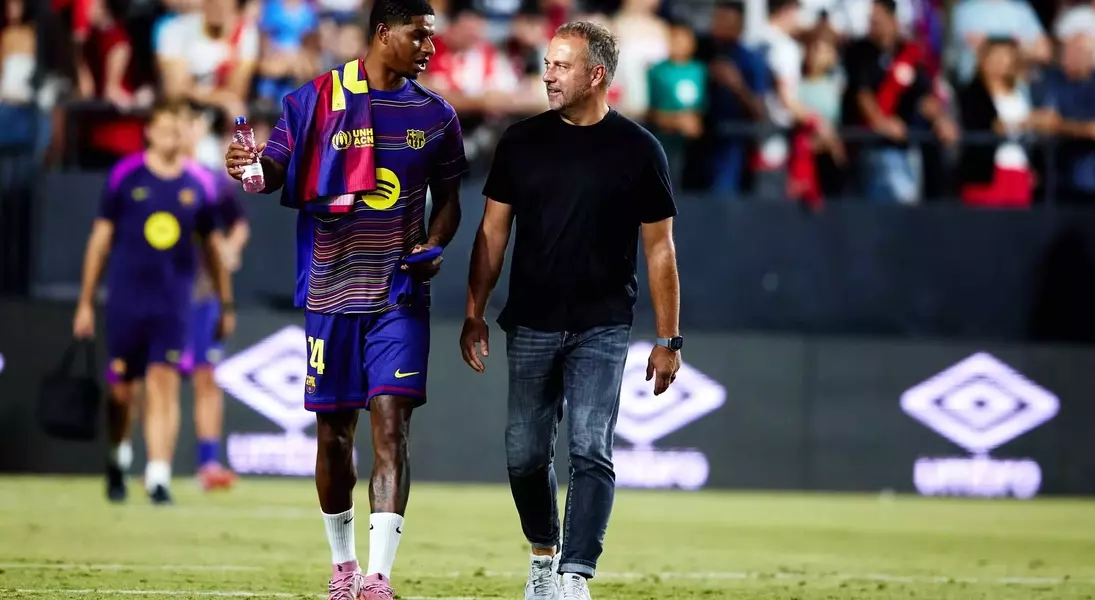
Upon taking the helm, Hansi Flick immediately implemented a rigid framework designed to instill a sense of responsibility among his players. His insistence on punctuality is a cornerstone of this new system. Players are required to arrive at the training ground 90 minutes before sessions commence, and any tardiness, whether for training or meetings, carries immediate repercussions. This policy was vividly demonstrated when high-profile players like Marcus Rashford and Raphinha were benched after arriving late. Flick's actions underscore his belief that no individual, regardless of their status or recent performance, is exempt from these rules. He views timely attendance as a fundamental display of respect for the team and a prerequisite for shared success, choosing denial of a starting spot as a more impactful deterrent than financial penalties.
Flick's disciplinary measures extend beyond mere punctuality. He has intensified the physical demands on his squad, lengthening training sessions and reducing days off. To ensure optimal physical condition and nutritional adherence, players are subjected to weekly weigh-ins and are required to consume meals at the club's training facilities. He also introduced pre-match 'activation' sessions, emphasizing preparation and focus. Furthermore, Flick has sought to foster team unity by mandating club attire for all travel and stadium arrivals, thereby discouraging individualistic 'fashion shows' that characterized previous years. He has also limited players' gaming hours during training camps and encouraged rest during off-days, aiming to prevent exhaustion from excessive travel or leisure activities.
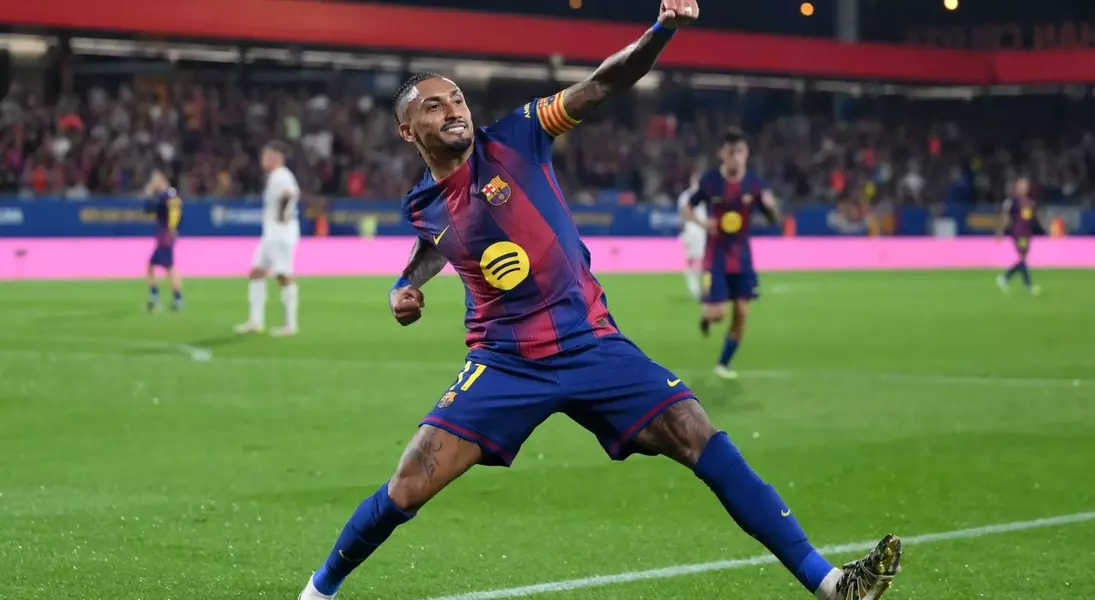
The impact of Flick's strict regimen has been evident. While some players like Inaki Pena experienced significant consequences for repeated lateness, leading to a loan move, others like Raphinha and Rashford have shown immediate positive responses. Raphinha, benched for tardiness, scored two goals from the bench in a subsequent match. Similarly, Rashford, after being dropped, delivered a standout second-half performance, assisting a goal in a 3-0 victory. These instances suggest that Flick's firm stance is yielding the desired results, enhancing player focus and commitment. Even with consistently tardy players like Jules Kounde, the coaching staff has actively engaged in finding solutions, demonstrating a commitment to individual player development within the boundaries of team discipline.
Hansi Flick's leadership at Barcelona signals a profound shift towards a culture of unwavering accountability and collective dedication. By enforcing strict rules regarding punctuality, physical conditioning, and team conduct, he has cultivated an environment where respect, discipline, and shared goals are paramount. This rigorous approach, while demanding, has proven effective in galvanizing the squad, pushing players to their best, and ultimately contributing to the team's renewed success on the field.
