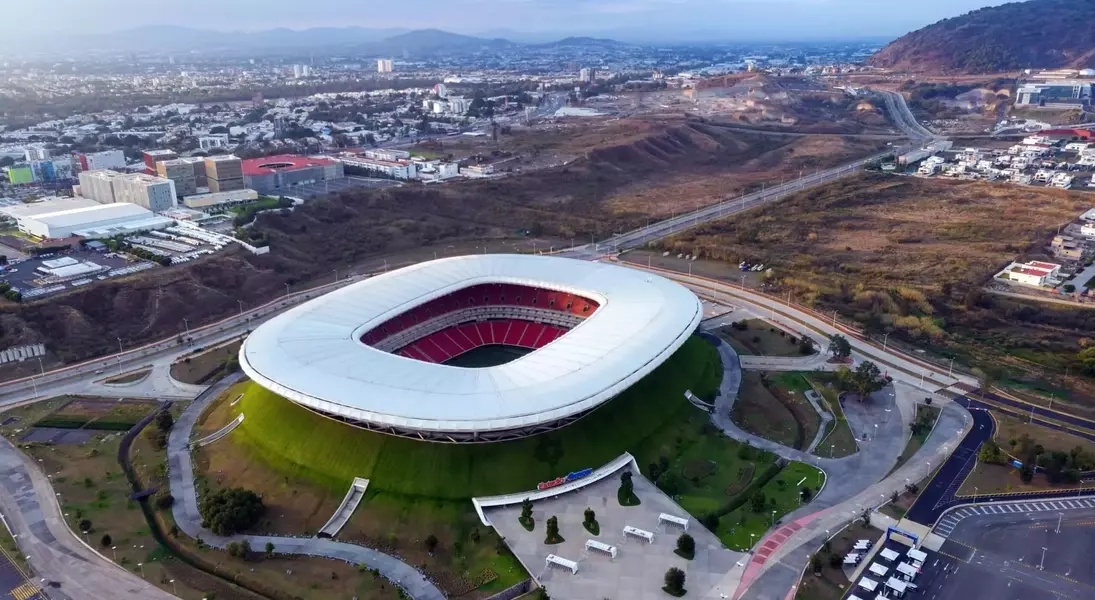
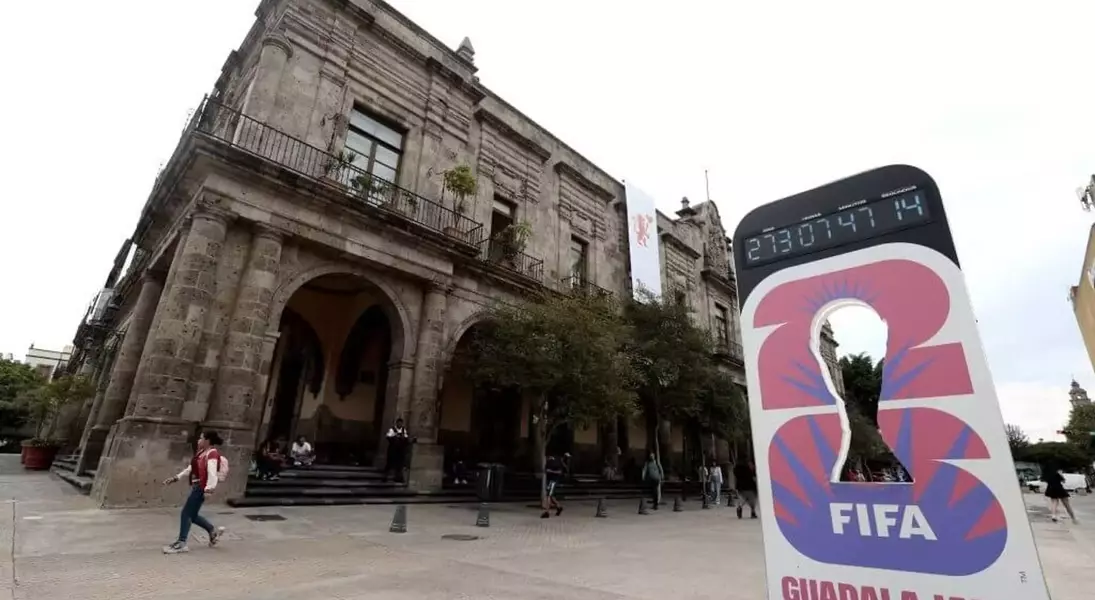
Guadalajara, situated in Jalisco, Mexico, is steeped in vibrant traditions and is preparing to welcome the world as it co-hosts the 2026 World Cup. This bustling metropolis, famed for being the birthplace of mariachi music and tequila, embodies the essence of Mexican identity. Local residents proudly assert that no other city in Mexico captures the country's spirit quite like Guadalajara. This sentiment is palpable in places like Canteritos El Guero in Tequila, Jalisco, where live banda music, traditional attire, and the convivial atmosphere of friends and strangers dancing together exemplify the region's rich cultural tapestry.
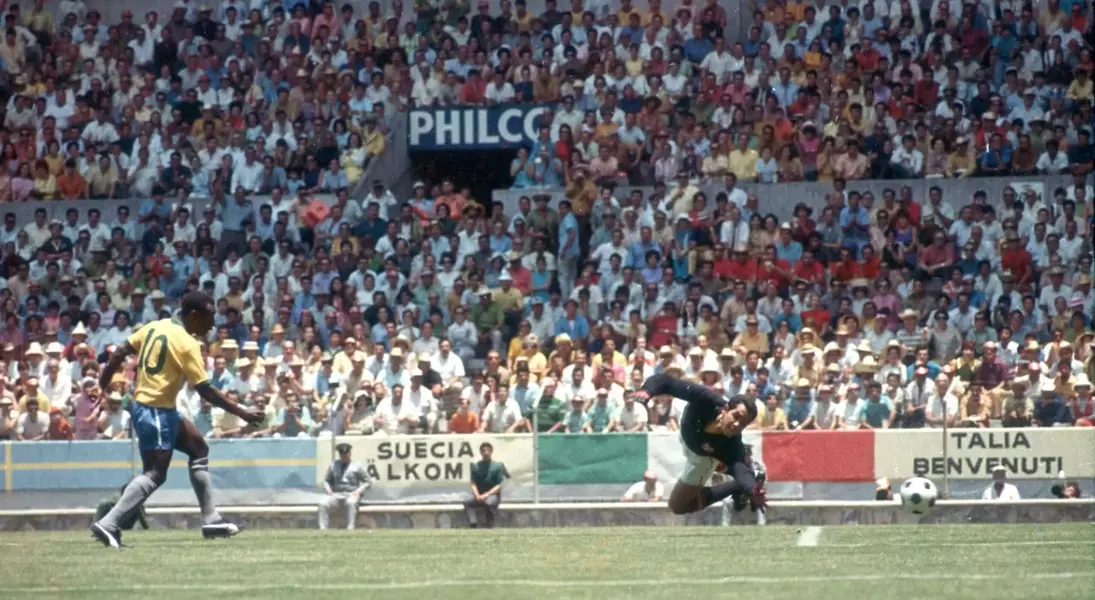
As the city looks forward to its moment on the global stage, it also carries a significant footballing legacy. Guadalajara played a prominent role in both the 1970 and 1986 World Cups, hosting 13 matches across the two tournaments. The Estadio Jalisco, in particular, holds a special place in history, being the venue where the legendary Pelé led Brazil to their third World Cup title in 1970. This rich past, coupled with current enthusiasm, positions Guadalajara to once again make its mark on international football. The upcoming tournament offers an opportunity to celebrate this heritage while showcasing the city’s modern advancements.
To ensure a successful World Cup, Governor Pablo Lemus is spearheading extensive infrastructure developments, including upgrades to transportation links and a state-of-the-art video surveillance system for enhanced security. These projects, representing a substantial investment of nearly $2.6 billion, are designed not only for the tournament but also to provide lasting benefits for the city's residents. Guadalajara aims to welcome an estimated three million visitors and establish itself as a premier global football destination, further solidifying its claim as 'the most Mexican' host city and leaving a lasting legacy for future generations.
Guadalajara is poised to transcend its role as merely a host city; it is embracing the 2026 World Cup as a profound opportunity to share its cultural heart with the world. Through the universal language of football, the city is weaving together its historical narratives, vibrant traditions, and modern aspirations. By showcasing its unique blend of music, dance, and a passionate spirit, Guadalajara exemplifies how major global events can serve as catalysts for unity, development, and a shared celebration of human endeavor, leaving an indelible mark on both its visitors and its own identity.
