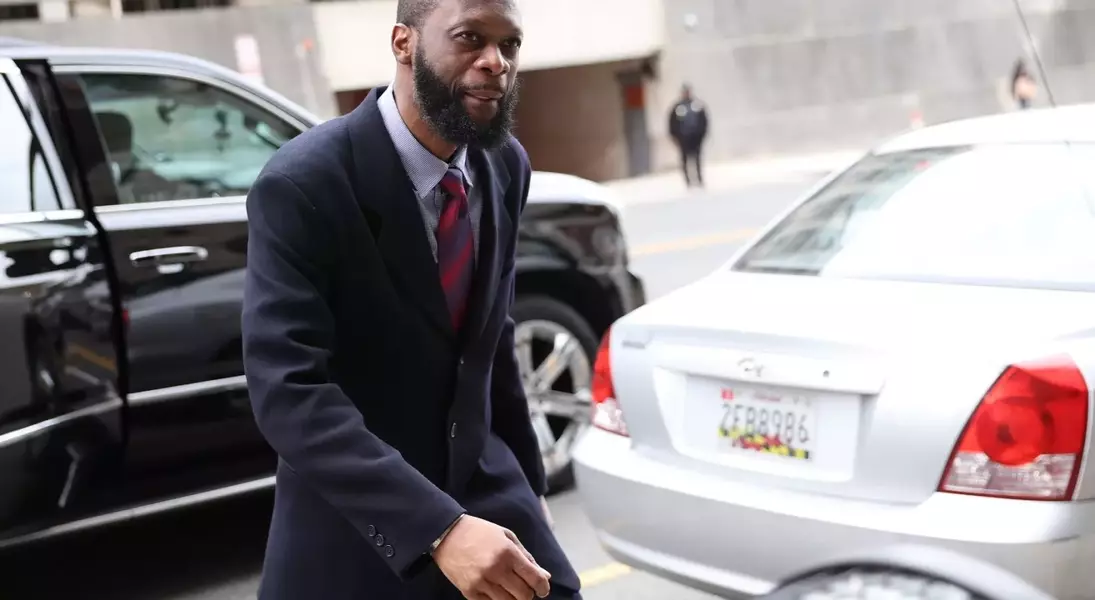
In a significant development, Pras Michel, a celebrated figure from The Fugees, has undergone emergency surgery for colon cancer, leading to an unavoidable delay in his ongoing legal proceedings. Michel, who faced conviction in 2023 on charges related to foreign lobbying and conspiracy, is now focusing on his health. This unexpected medical turn has shifted the immediate focus from his high-stakes legal battle to his personal well-being, as he embarks on a journey of recovery.
Fugees Member Pras Michel's Health Crisis Halts Federal Conspiracy Case Sentencing
On September 2, 2025, Pras Michel, the renowned artist from the legendary hip-hop group The Fugees, underwent an urgent surgical procedure to address colon cancer. This critical health event directly impacted the scheduled legal hearing for his sentencing in a federal case concerning foreign lobbying and conspiracy. The proceeding, originally slated for Friday, August 29, was put on hold as a direct consequence of Michel's medical emergency.
Michel's legal team formally communicated the musician's "significant medical concern" in late August filings, indicating his inability to attend the court date. Subsequently, Erica Dumas, Michel's representative, confirmed to *Rolling Stone* that the medical emergency was indeed linked to a colon cancer diagnosis. She expressed optimism for his prompt recovery during this challenging period.
In 2023, Michel was found guilty on multiple counts, including money laundering, illicit lobbying activities, witness tampering, and campaign finance breaches. These charges arose from his alleged participation in a multi-million dollar scheme to influence the U.S. government, which purportedly involved both the Obama and Trump administrations. Michel has consistently refuted these accusations.
The core of the conspiracy case against Michel originates from his association with Jho Low, a Malaysian financier. Low is currently a fugitive, accused of embezzling over $4.5 billion from Malaysia's 1MDB development fund. Michel stands accused of assisting Low in foreign influence campaigns against the United States. These alleged actions included channeling funds from Low to Barack Obama's 2012 re-election campaign and lobbying the Trump administration to halt an investigation into Low, as well as to extradite a dissident Chinese billionaire.
Prosecutors are advocating for a substantial prison term for Michel, proposing a sentence that could span several decades, alongside a forfeiture of more than $64 million. In contrast, Michel's defense lawyers are seeking a 36-month sentence and have described the proposed forfeiture amount as "grossly disproportionate" to the convictions, according to *Billboard*.
A new forfeiture hearing has been set for October 3, with the final sentencing date yet to be determined.
This unfolding narrative serves as a potent reminder of the fragility of life and the unpredictable nature of personal circumstances, even amidst high-profile legal battles. From a reader's perspective, it highlights the complex interplay between justice, health, and public image. While the legal ramifications of Michel's actions remain a central point of discussion, his health crisis introduces a deeply human element to the story, underscoring that behind every headline-grabbing case are individuals facing profound personal challenges. It evokes a sense of empathy, irrespective of the legal judgments, compelling us to reflect on the broader human condition and the universal vulnerability to illness.
