The football landscape is currently grappling with the intricate dynamics of multi-club ownership, a model that, while increasingly prevalent, sparks considerable debate. Fans of smaller clubs within these structures often feel marginalized, their club's autonomy seemingly compromised by the interests of larger, more prominent affiliates. This sentiment is particularly evident in the case of Strasbourg and Chelsea, where the movement of key players between the two clubs, both under the BlueCo umbrella, has ignited a passionate backlash from Strasbourg supporters. Simultaneously, the broader football narrative celebrates individual triumphs, such as Marcus Rashford's remarkable return to form at Barcelona. His post-Manchester United success underscores how a change of environment can reignite a player's career, offering a refreshing counterpoint to the complex corporate dealings dominating club football.
Beyond these pivotal narratives, the sport continues to witness significant changes at the executive and managerial levels. Arsenal's boardroom is undergoing a notable restructuring with a key departure, hinting at a new strategic direction for the club. Meanwhile, coaching carousel spins on, with established figures like Jose Mourinho embarking on new chapters, often with a renewed public persona. These shifts in leadership, combined with ongoing controversies and individual player stories, paint a vivid picture of a sport in constant flux, where tradition, commerce, and human ambition continually intersect.
The Dual-Club Dilemma: Strasbourg's Fan Outcry Amidst Chelsea Transfers
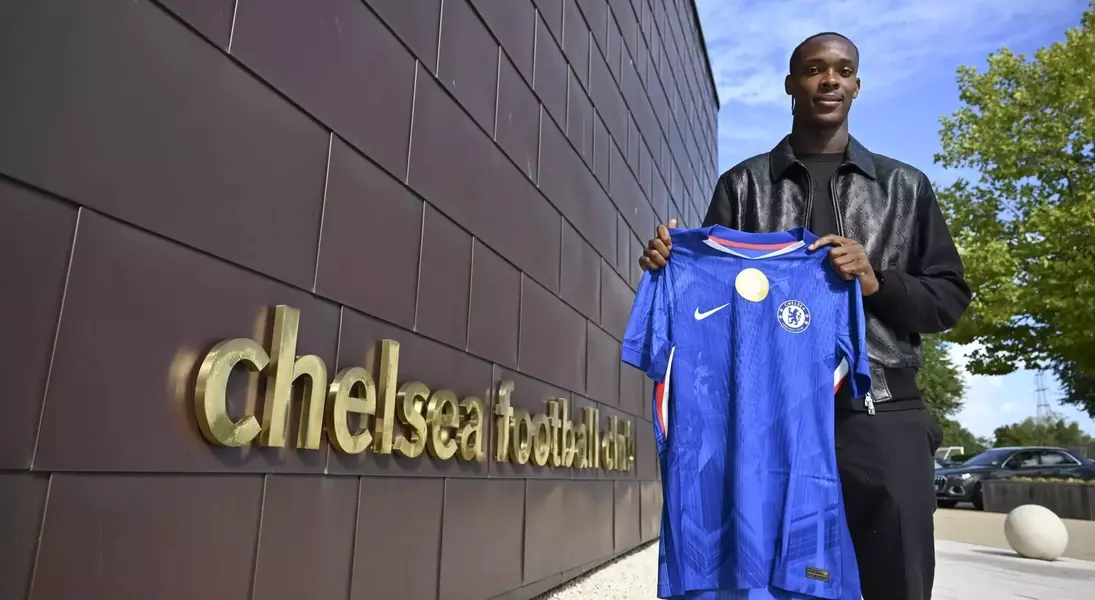
The concept of multi-club ownership is stirring discontent among football fans, particularly those of Racing Club de Strasbourg, who perceive their club as a mere satellite to Chelsea. The transfer activities between the two clubs, both managed by BlueCo, have fueled accusations of a biased relationship where Strasbourg's interests are overshadowed. The controversial transfer of captain Emanuel Emegha to Chelsea exemplifies this issue, triggering protests from fans who believe their club's identity and competitive integrity are being undermined by the larger entity's priorities. Despite Strasbourg's improved league performance and infrastructure investments under BlueCo, supporters long for genuine independence and autonomy, feeling that their club's role is primarily to develop talent for its more illustrious partner.
The current regulations governing multi-club ownership, particularly regarding player transfers, permit transactions as long as fair market value is maintained. This allows entities like BlueCo to operate a strategic player development pipeline. However, for Strasbourg's loyal fanbase, this arrangement fosters a sense of being a 'feeder club,' leading to a significant emotional disconnect. The situation highlights a growing tension between the economic efficiencies of multi-club models and the deeply rooted emotional allegiance of fans. The continued movement of players, even if beneficial on paper, creates a perception of inequity and a lack of control over their club's destiny, raising questions about how this modern football ownership structure can truly satisfy all stakeholders.
From Manchester to Barcelona: Rashford's Renaissance and Other Football Headlines
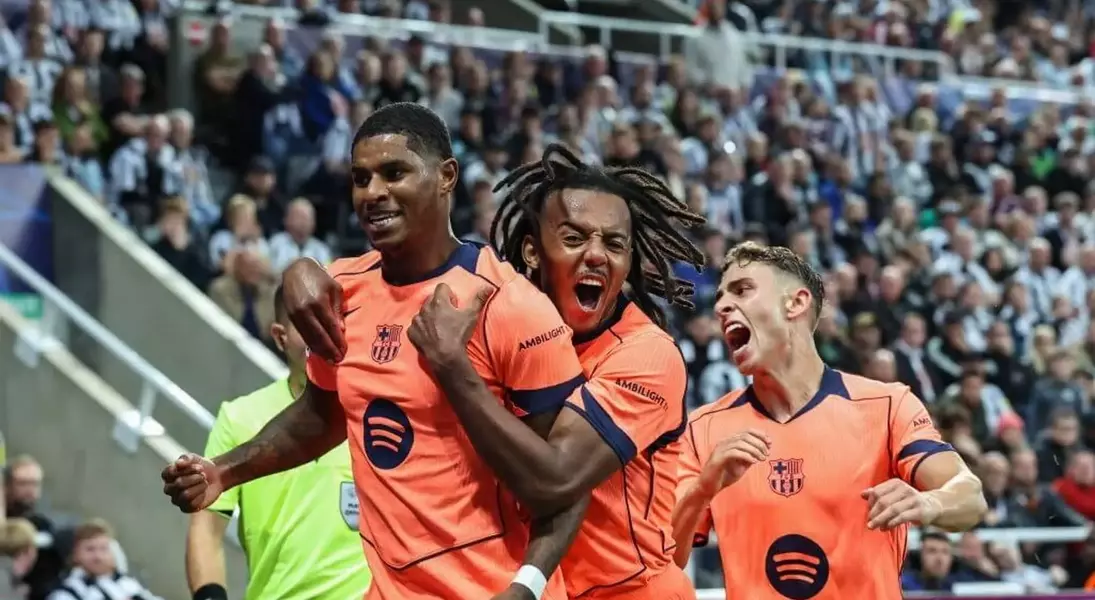
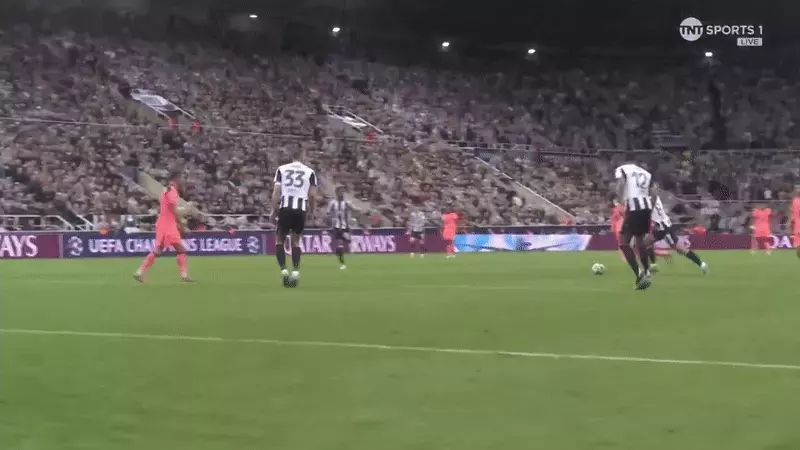
Following a challenging period at Manchester United, Marcus Rashford has experienced a significant career resurgence at Barcelona. His impressive performances, including a standout two-goal display in the Champions League against Newcastle United, signify a revitalized player. Rashford himself has spoken of the 'refreshing' experience of playing with his new teammates, suggesting that the change of environment has been instrumental in reigniting his passion and form. This narrative of a player finding new life after a difficult spell at a previous club resonates widely, demonstrating the profound impact of club culture and team dynamics on individual performance. His return to top-tier form has been a highlight in recent football news.
Beyond Rashford's personal triumph, the football world remains abuzz with various other developments. Arsenal's executive leadership is undergoing a significant shake-up with the departure of vice-chair Tim Lewis, indicating potential strategic shifts at the club. Meanwhile, Manchester United's co-owner, Sir Jim Ratcliffe, has held discussions with manager Ruben Amorim, amidst reports of the club's substantial borrowings for summer transfers, sparking speculation about future directions. Managerial changes also continue to make headlines, with Jose Mourinho's return to Benfica marked by a surprisingly introspective public declaration about his personal growth. These diverse stories, ranging from player comebacks to boardroom realignments and coaching philosophies, underscore the multifaceted and constantly evolving nature of professional football.
