Football's global governing body, FIFA, has managed to accumulate substantial revenue, reportedly exceeding $15 million, by offering fans the 'Right To Buy' digital tokens for the 2026 World Cup. This program allowed individuals to secure the option to purchase tickets for the upcoming tournament long before any official ticket sales commenced or prices were made public. This approach, implemented through the FIFA Collect platform, has raised concerns among the football community regarding transparency and potential disadvantages for dedicated supporters.
FIFA's Early Ticket Sales Strategy for the 2026 World Cup Under Scrutiny
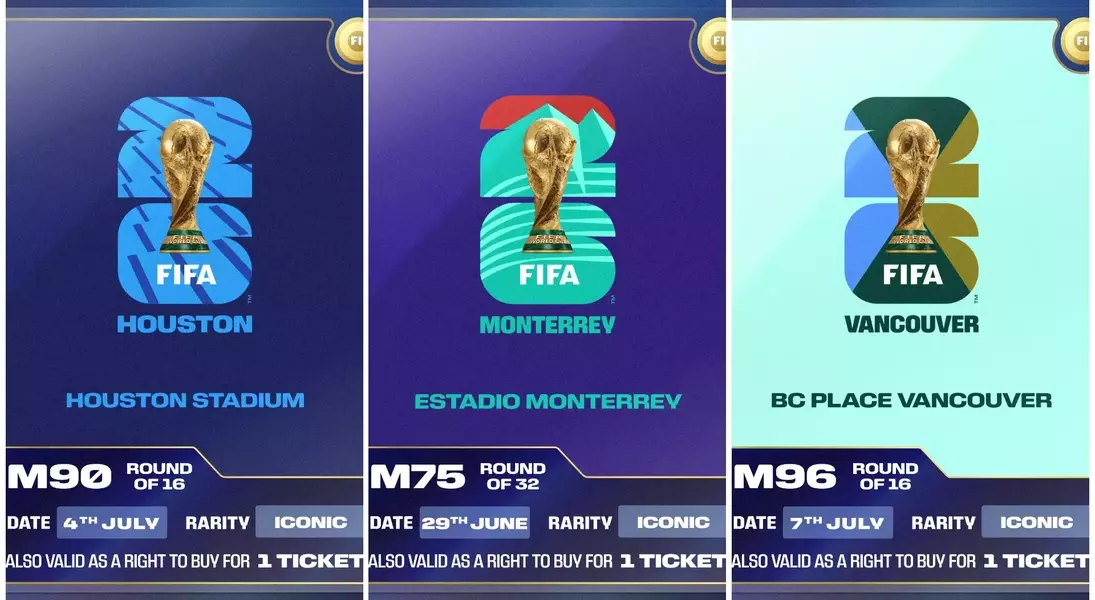
In a move that has garnered both significant profits for FIFA and considerable debate among fans, the global football authority initiated a 'Right To Buy' (RTB) program for the 2026 World Cup, generating millions of dollars prior to the official release of ticketing details. Over the past year, through its FIFA Collect platform, the organization has sold tens of thousands of digital tokens. These tokens, often costing hundreds of dollars themselves, promise purchasers the privilege of acquiring one or two World Cup tickets at a later, undisclosed date and price. Importantly, owning an RTB token does not cover the cost of the actual ticket; it merely guarantees access to purchase it, bypassing general lotteries or first-come, first-served queues.
Reports indicate that FIFA Collect has sold over 30,000 such RTBs, accumulating well over $10 million, with some estimates reaching over $15 million in profits. These figures, derived from tracking websites and user data, highlight a lucrative pre-sale model. The RTB tokens were sometimes bundled with other digital collectibles or tickets for the 2025 Club World Cup, making an exact financial calculation complex. However, the primary market sales on FIFA Collect, including RTBs and other items, have reportedly neared $29 million, according to the tracking site FIFA Collect Info, which utilizes publicly available blockchain data.
Initially launched in 2022 as 'FIFA+ Collect,' the platform was touted as an affordable and accessible digital collectibles ecosystem. However, its strategy evolved, and in 2024, it began directly selling RTBs or incorporating them into "challenges" and packs. FIFA itself actively promoted the platform as a pathway to 2026 World Cup tickets through emails and social media campaigns, encouraging fans to gain 'priority access.' For instance, a 'Double Opening Glory' bundle in June cost $3,000, offering the right to buy one ticket for the 2026 World Cup opener in Mexico City and two upper-deck tickets for the Club World Cup opener in Miami.
This ticketing strategy has not been without controversy. Users of FIFA Collect, particularly those who experienced issues with Club World Cup RTB redemptions, have expressed significant frustration. Many found that their RTB tokens only granted access to the most expensive Category 1 tickets, contrary to earlier promises of various price options. The lack of clarity regarding actual ticket prices, categories, and redemption timelines for the 2026 World Cup has fueled anxieties. Fans have voiced concerns about the value of their costly RTB purchases if final ticket prices prove exorbitant or if the redemption process mirrors the "disaster" of the Club World Cup. Some users, particularly within the Mexican community, feel targeted by these sales, with prices for access to Mexican national team matches reaching up to $2,999 for two tickets to a group stage match.
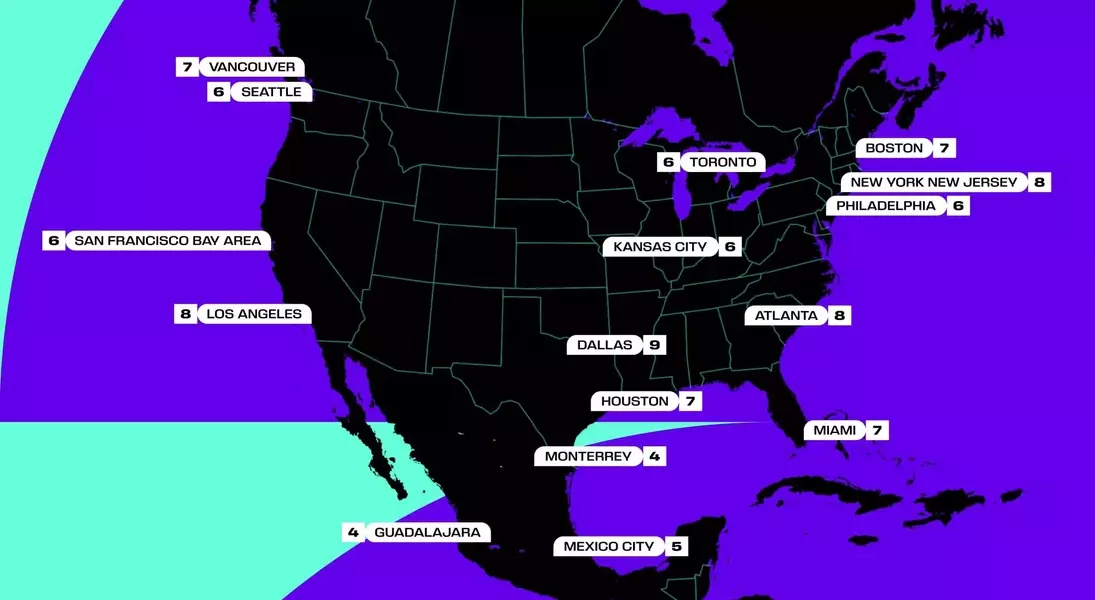
FIFA, when questioned about the revenue distribution and the pricing strategy, maintained that details of commercial agreements are confidential. However, a spokesperson stated that revenues contribute to football development and social projects globally, with Modex, the blockchain service provider, receiving a commission. While the revenue from RTBs represents a fraction of FIFA's projected $3 billion from hospitality and ticket sales for 2026, the program underscores a new, potentially contentious, method of engaging fans and generating income for major sporting events. The roughly 70,000 tickets promised via RTBs constitute about 1% of the estimated 6 million tickets available for the 2026 World Cup's 104 matches.
The current landscape of sports ticketing, particularly for major global events, demands heightened transparency and ethical considerations. FIFA's 'Right To Buy' program, while generating substantial revenue, has ignited a discussion about fairness and consumer protection. It highlights the potential for pre-sale mechanisms to create ambiguity and financial strain for enthusiastic supporters. Moving forward, it is crucial for organizations like FIFA to balance commercial objectives with the need to maintain trust and ensure an equitable experience for all fans. This situation serves as a stark reminder that innovation in ticketing must not come at the expense of clarity and fan satisfaction, urging a re-evaluation of such complex and potentially misleading sales models.
