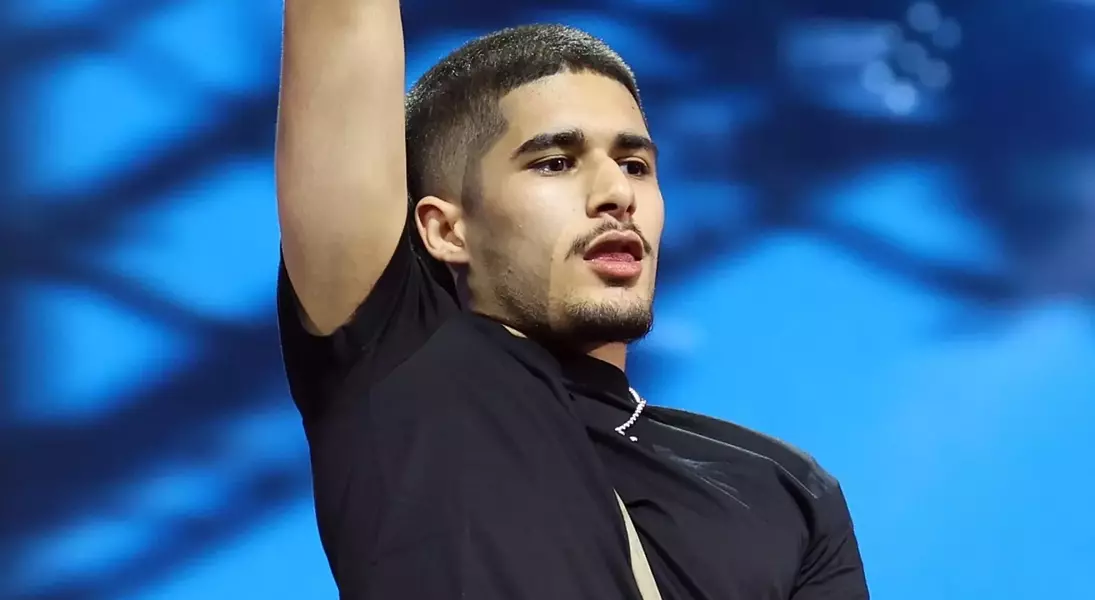
In an evolving musical landscape, the perception of mobile phones at live performances is undergoing a significant transformation. Rather than being seen as distractions, these devices are becoming extensions of the concert experience, particularly for a generation deeply immersed in digital life. This shift is vividly exemplified by the burgeoning career of Fakemink, a British underground rap artist whose rise to prominence is intrinsically linked to his innovative use of online platforms and his ability to cultivate a unique connection with his audience, both in person and through screens. His performances are not just about sound; they're about an immersive, shareable experience that resonates with contemporary digital natives.
Fakemink, born Vincenzo Camille in Essex, started his musical journey at the age of ten, later adopting the moniker Fakemink in 2019, a name that cleverly juxtaposes themes of luxury and rawness. His distinct sound, characterized by a fusion of 2010s dance music melodies and a captivating flow, quickly found a home within the UK's experimental underground scene and gained traction on platforms like TikTok. A notable example is his track “Kill Everything” from his 2023 debut mixtape, “London Saviour,” which cleverly samples Imogen Heap’s “Headlock,” a nod to the song's prior viral success on TikTok. This strategic integration of internet trends into his artistry highlights his understanding of modern music consumption and fan interaction.
The artist's unconventional approach extends to his live shows, such as his Etna Vera Vela Tour, which began in the unique setting of the All Stars Boxing Gym in London. This choice of venue, far from traditional concert halls, underscores his commitment to independent, underground aesthetics, attracting a discerning fanbase that even has its own specialized slang, distinguishing seasoned supporters from casual trend followers. This creates a sense of exclusivity and community, where documenting the performance on phones becomes less about showing off and more about preserving a historical moment for a devoted cultural movement.
Fakemink's organic ascent to viral status has been bolstered by significant endorsements from industry heavyweights. Frank Ocean publicly shared his appreciation for Fakemink on Instagram, and Drake invited him to perform his hit “LV Sandals” at the Wireless Festival in London. During his New York City show at the Bowery Ballroom, the atmosphere was electric. He commanded the stage with minimalist yet powerful visuals—tall white pillars framing a red, circular rug, creating an almost ceremonial ambiance. This 'aura-driven' presence allows him to captivate the crowd not just through traditional rapping or singing, but through his sheer presence, guiding the audience like a conductor and allowing them to collectively carry the performance.
Fakemink’s collaborations with artists like Ecco2k and Xaviersobased have further solidified his position as a vanguard in the underground rap scene, offering a refreshing alternative to some of the more aggressive styles prevalent in American hip-hop. His effortless transition into mainstream recognition is a testament to his authentic individuality. A prime example is his spontaneous appearance on Plaqueboymax's UK stream, where his brief, impactful presence felt like a momentary infiltration of underground artistry into a more commercial space, reminiscent of iconic moments like Odd Future’s television debut. This ability to maintain his unique artistic vision while gaining wider appeal underscores his influence.
The interactive nature of Fakemink's performances, where the audience often sings along and participates, transforms concerts into a collective experience. The thunderous, staggering beats of his music, especially when tracks like “Easter Pink” seamlessly blend into “LV Sandals,” create a sensory overload that transcends the visual. Even with minimal vocal delivery, his commanding stage presence ensures a powerful, almost palpable connection with the crowd. In this digital age, phones serve as more than just recording devices; they are conduits through which the 'aura' of the performance is captured and shared, allowing the energy of the live show to extend far beyond the physical venue, becoming a shared cultural phenomenon.
