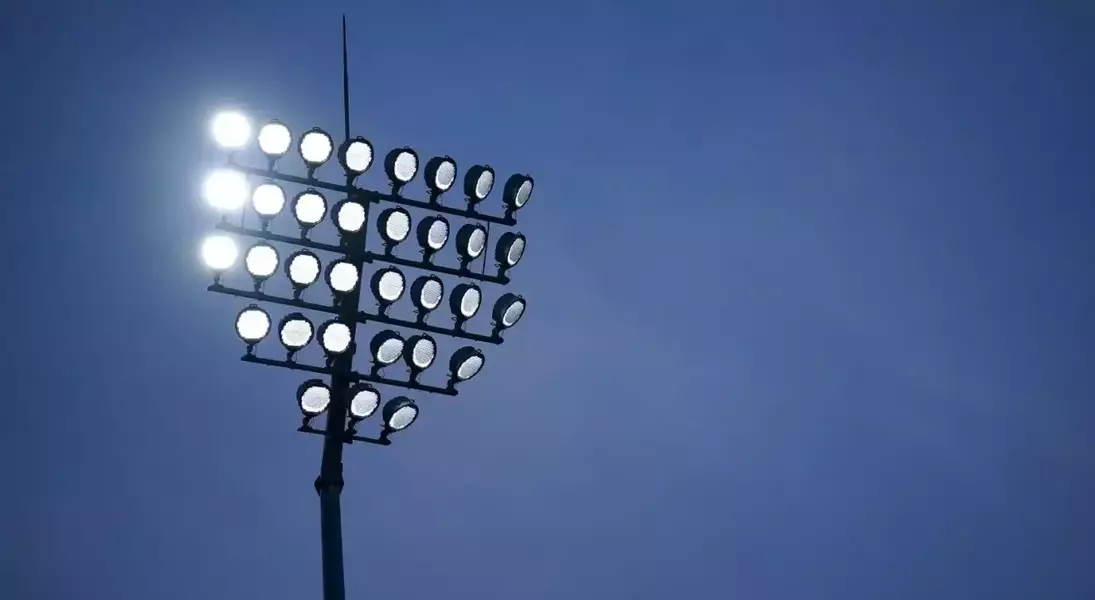
The allure of evening football fixtures, amplified by the dramatic glow of stadium floodlights, is an integral part of the sport's charm. However, this captivating spectacle comes with an escalating environmental burden. In an era marked by rising energy expenditures and pressing climate concerns, the substantial power demands of stadium lighting are drawing considerable attention and prompting a reevaluation of traditional practices.
Modern floodlighting systems, essential for meeting broadcast quality standards, are formidable energy consumers. Large stadiums typically employ hundreds of high-intensity fixtures, with traditional metal-halide lamps devouring megawatts of power during matches. This makes lighting one of the most significant operational energy uses within these venues, a fact highlighted by UEFA's energy efficiency assessments. While not surpassing the energy demands of heating, cooling, or hospitality, its considerable contribution to overall energy consumption is undeniable.
Fortunately, technological advancements are actively transforming this landscape. Many European clubs are transitioning to energy-efficient LED systems, which not only reduce power consumption but also offer enhanced control. For instance, when Tottenham Hotspur inaugurated their new stadium in 2019, they proudly showcased LED floodlights from Musco, which consume approximately 450 kilowatts of power—roughly half the energy required by a comparable metal-halide setup. This shift demonstrates a tangible commitment to more sustainable practices within elite football.
The benefits of LED adoption extend far beyond top-tier clubs. The Football Foundation in England, through its national LED Floodlight Fund, estimates that community clubs can achieve a remarkable 40% to 60% reduction in electricity usage by upgrading their outdated lighting systems. For many grassroots clubs, this translates into annual savings of several thousand pounds, providing a crucial financial buffer in a highly competitive and often financially precarious environment.
The critical role of stadium lighting was starkly underscored during Europe's energy crisis in 2022. The German second-division club 1. FC Nurnberg, for example, found itself unable to host evening matches after local authorities imposed restrictions on floodlight use. Similarly, in England, Mansfield Town rescheduled a home game to an earlier afternoon kick-off, citing both cost-saving measures and public perception. These instances, though temporary, offered a glimpse into potential future scenarios should energy prices surge or stricter government regulations be implemented.
For premier clubs, LED technology represents just one facet of a broader sustainability strategy. Some are integrating lighting upgrades with renewable energy sources. Dutch clubs like Ajax have incorporated solar panels into their stadium roofs, while Bundesliga teams such as Freiburg operate arenas designed with stringent environmental standards in mind. Nevertheless, scaling these initiatives remains a significant hurdle. While solar installations can help offset baseline energy needs, the intense power demands of match-day floodlighting often necessitate heavy reliance on the national grid.
This inherent energy gap means that night football will inevitably retain a carbon footprint. The ongoing challenge for the sport is to determine whether comprehensive efficiency gains in other areas—such as transportation, catering, and materials—can sufficiently offset this energy consumption, thereby justifying the continuation of this cherished tradition. The commercial realities of football, particularly the broadcasting revenue that underpins the sport, further complicate this equation, making a wholesale shift to daytime fixtures largely impractical despite their environmental advantages.
Governing bodies like FIFA and UEFA are championing incremental change, incorporating stadium lighting upgrades into their sustainability strategies as an achievable short-term goal. By encouraging clubs to implement LED lighting and smart control systems, they can demonstrate progress without disrupting the sport's established commercial model. Ultimately, the cultural significance of night matches, with their unique mystique and atmosphere, is deeply valued by supporters and administrators alike. The objective, therefore, is not to eliminate evening fixtures but to significantly reduce their environmental impact, ensuring that the magic of night football can endure responsibly.
