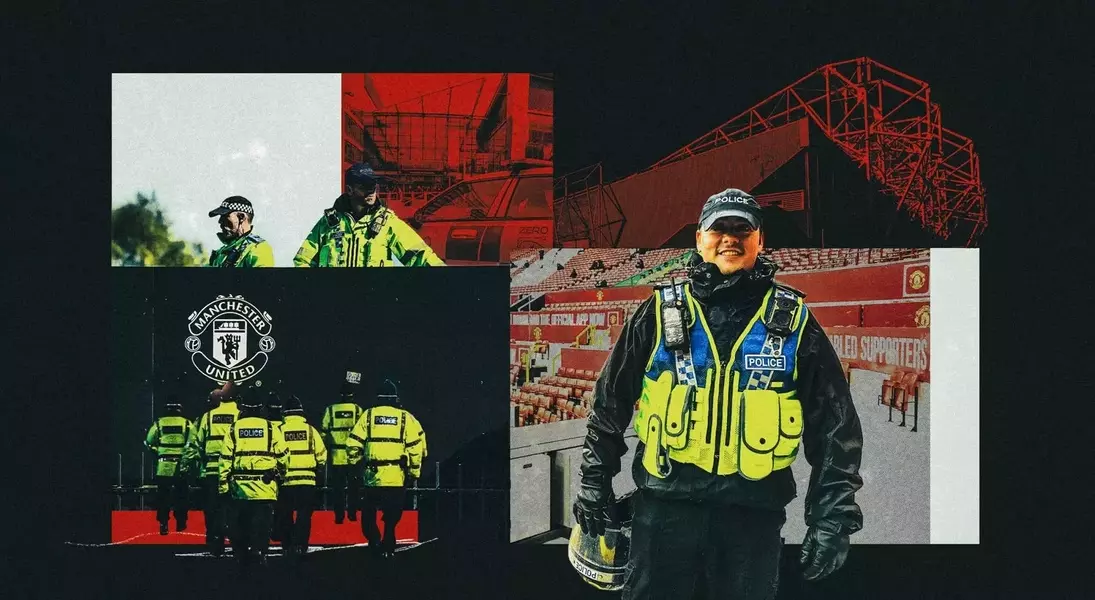
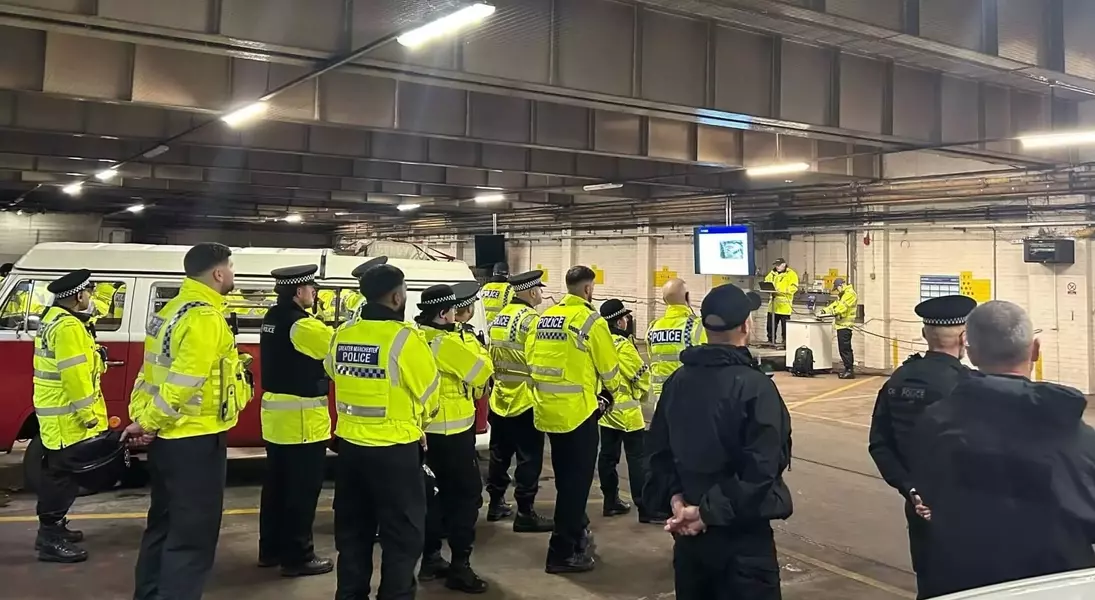
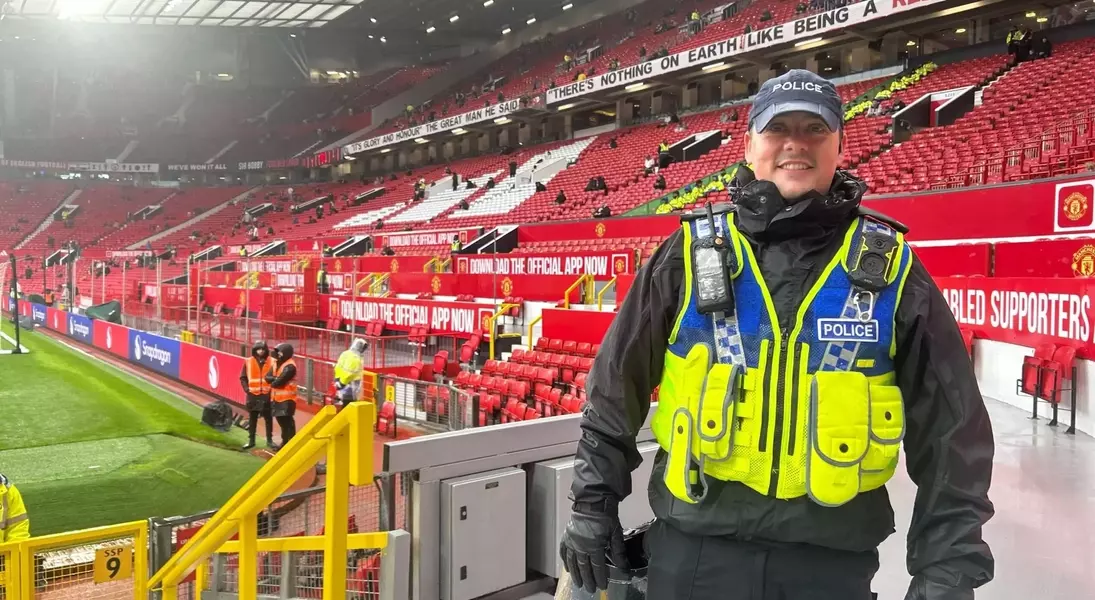
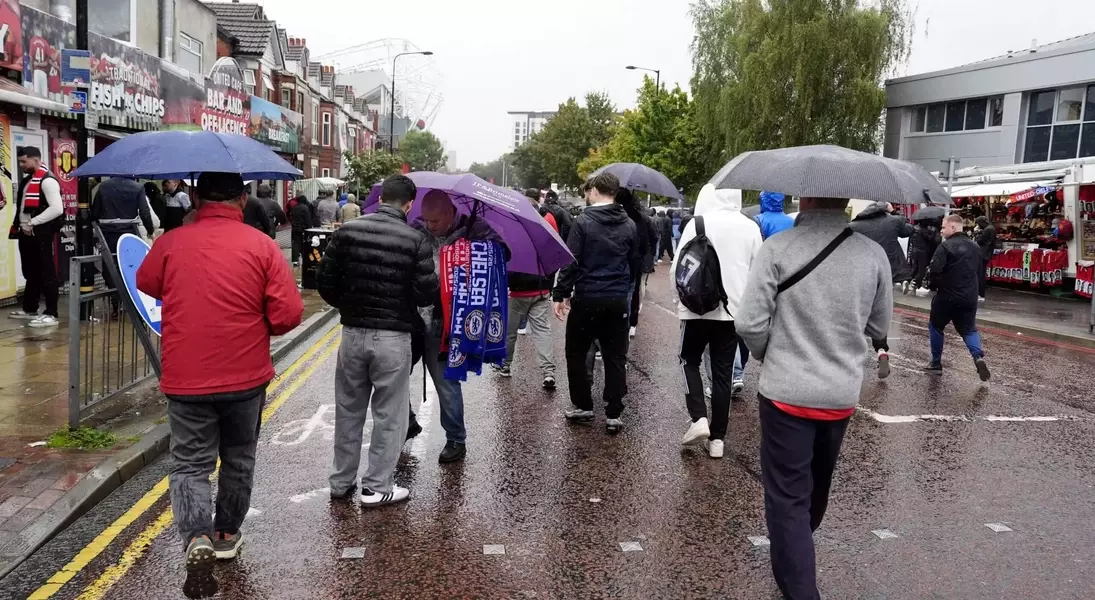
The policing of large-scale sporting events, particularly major football matches, has evolved significantly, emphasizing proactive measures and community engagement to ensure public safety and mitigate potential conflicts. For a high-profile fixture such as Manchester United's encounter with Chelsea, the Greater Manchester Police (GMP) orchestrates a complex operation, deploying various strategies to maintain order and address fan behavior. This includes specialized dedicated football officers (DFOs) who act as liaisons between clubs, police, and supporters, aiming to bridge the historical divide often felt by fans towards law enforcement. The presence of 'PC Rain', as humorously noted by officers, often correlates with calmer crowd behavior, showcasing how environmental factors can also play a role in matchday dynamics.
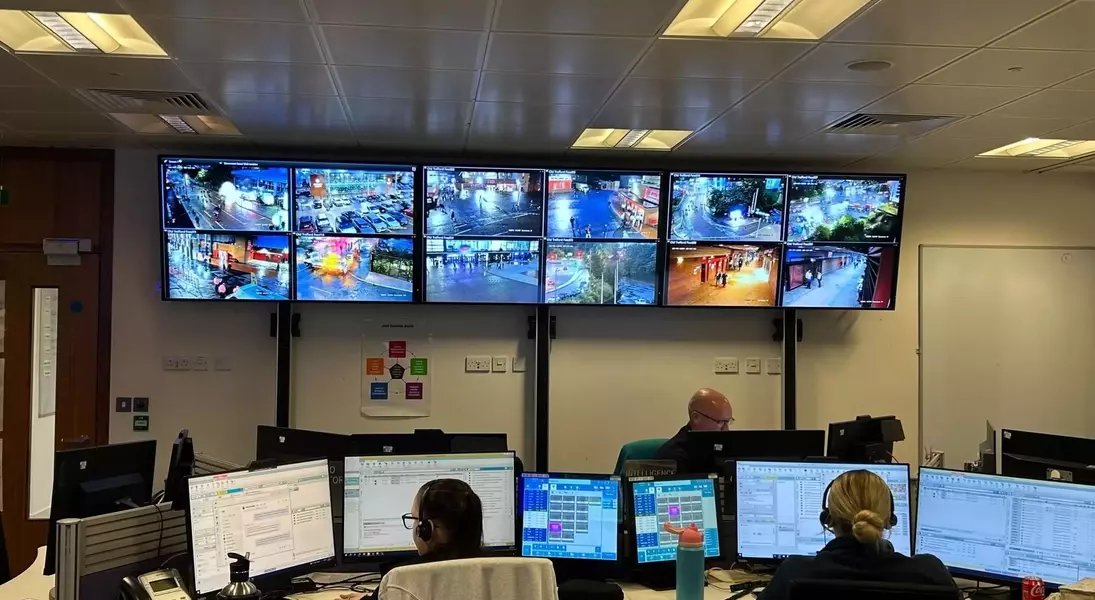
Modern policing tactics for football matches are a stark departure from the past, particularly in the wake of incidents like the Hillsborough Disaster, which led to significant reforms in crowd management. The GMP's approach now involves detailed pre-match assessments, categorizing games based on risk levels influenced by factors like fan numbers, kick-off times, and historical unrest. This allows for tailored resource allocation, such as reassigning mounted police units to higher-risk games elsewhere when deemed necessary. Furthermore, there's a concerted effort to project a more approachable image, with officers often opting for baseball caps over helmets to encourage better interaction with fans. Surveillance technologies, including extensive CCTV networks and drones, provide a comprehensive overview of crowd movements, enabling rapid response to any emerging issues.
Addressing fan misconduct, especially discriminatory chanting, remains a critical aspect of matchday policing. The recent classification of homophobic chants as hate crimes by the Crown Prosecution Service underscores the seriousness with which such behavior is now treated. Clubs like Manchester United have implemented stringent policies, including ticket cancellations and bans for offenders, supported by police action. While the overall trend of football-related arrests has seen a decline, continuous intelligence gathering and proactive engagement with fan groups are crucial to managing the small minority who might still cause trouble. This multi-faceted approach, combining strategic planning, technological surveillance, and community-oriented policing, aims to create a safer and more enjoyable environment for all match-goers.
The commitment to refined policing strategies reflects a broader understanding that fostering a positive relationship between law enforcement and the public is paramount, even in the high-stakes environment of professional football. By prioritizing dialogue, transparency, and a less confrontational presence, authorities can effectively manage large gatherings, ensuring that the passion of the game remains untainted by disorder. This ongoing evolution in policing not only secures the present but also lays the groundwork for a more respectful and safe future for football enthusiasts.
