This exploration delves into the intricate historical relationship between the railway system and the evolution of English football, marking two centuries since the world's inaugural passenger rail journey. It underscores how the burgeoning rail infrastructure in 19th-century Britain was not merely coincidental with the rise of football but served as a foundational pillar for its widespread adoption and professionalization. Beyond facilitating the movement of players and supporters across the nation, railways played a crucial role in the very genesis of certain clubs and influenced the strategic placement of numerous stadiums. The narrative navigates through early challenges, such as the prohibitive cost of travel and issues stemming from fan behavior, to the eventual integration of rail as a vital component of the footballing landscape, a legacy that, in many respects, continues to shape the sport today.
On September 27, 1825, a landmark event unfolded with the first-ever passenger railway trip, carrying approximately 450 individuals on a 26-mile route from Shildon to Stockton. This journey, powered by the steam locomotive 'Active' at an average speed of 8 mph, symbolized Britain's pioneering role in railway technology. Concurrently, the nation was also at the forefront of football's development. The parallel growth of these two domains was no accident; their interdependency was significant. The surge in spectator sports during this era can be largely attributed to three key factors: the novel concept of workers having Saturday afternoons off, championed by the Early Closing Association; the 'golden age' of British journalism, which broadened sports coverage to a more diverse readership; and most critically, the extensive expansion of the railway network. Without the railways, the idea of traveling vast distances for a mere game would have been inconceivable in an age devoid of motorized transportation. As football codified and then professionalized, an expansive railway system already connected most of England's major towns and cities, laying the groundwork for its national appeal.
The early stages of nationwide professional football competitions in England were heavily reliant on the railway system. As noted by James Walvin in his social history of English football, 'The People’s Game', trains offered an affordable and convenient means for footballers to reach various teams across the country. This facilitated not only player movement but also allowed fans to venture into previously unseen regions. A significant historical example dates back to the inaugural FA Cup in 1872. Queens Park, a Scottish club, undertook a lengthy train journey from Glasgow to London for their semi-final match against Wanderers at Kennington Oval. The match concluded in a goalless draw, necessitating a replay. However, Queens Park found themselves unable to afford the return rail fare, leading to their withdrawal from the competition and Wanderers' progression to the final, which they subsequently won 1-0. This incident starkly illustrates the considerable expense associated with rail travel during that period.
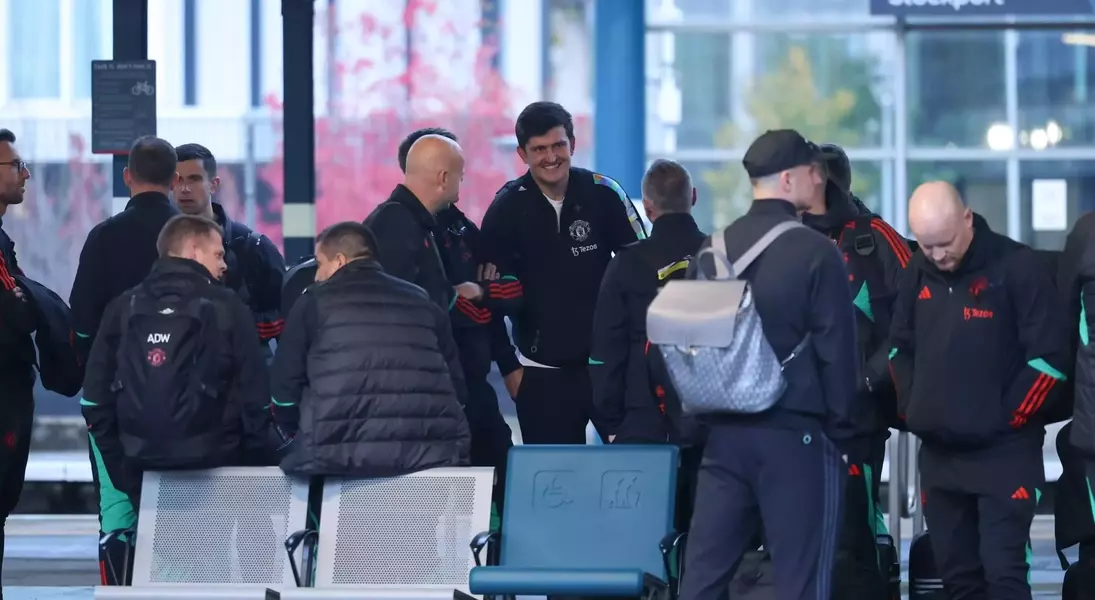
In response to these financial hurdles, The Athletic News, a prominent sports publication of the 1880s, advocated for football clubs to receive discounted return fares for away matches. Their argument was rooted in the substantial business generated by the game for railway companies, suggesting that clubs deserved preferential rates. This campaign, however, did not achieve its objective. Fast forward to contemporary times, and while road and air travel are now primary modes for teams, rail travel continues to be a surprisingly common choice for top-tier teams. Manchester United, for instance, frequently utilizes trains for their London fixtures. A notable modern example of extensive rail travel by an English club occurred in April 2010. The eruption of Iceland's Eyjafjallajokull volcano grounded flights across Europe, compelling Liverpool to embark on a multi-leg train journey from Runcorn to London, then to Paris, and finally to Bordeaux, before they could fly to Madrid for a Europa League semi-final against Atletico, which they lost 1-0.
It is often understated that railways directly contributed to the formation of numerous football clubs, particularly in the northern regions of England. This influence even extended internationally, as evidenced by the origins of Penarol in South America, initially known as the Central Uruguay Railway Cricket Club, named after the British company constructing railway lines in the country. Sixty percent of its initial members were British. The club eventually transitioned to football, rebranded as Penarol, and became Uruguay's most successful team. Closer to home, while Crewe Alexandra, nicknamed 'the Railwaymen', seems an obvious example, their story is more nuanced. Formed by railway workers, their employer, the London and North Western Railway (LNWR), prohibited professional sports involvement. Consequently, Crewe's football team had to separate from the railway organization, highlighting their existence both due to and despite their connection to the railways.
A more direct illustration of railway influence on club names is Harrogate Railway, established in 1935 by employees of the London and North Eastern Railway (LNER). Following the Second World War, in football's first season back, the club secured the British Railways National Cup final in 1946. This victory prompted them to seek a new ground, which they found at Station View in Yorkshire, named for the adjacent Starbeck station. Three hundred LNER workers contributed a penny from their weekly wages to finance the new facility. Another notable case is Leigh RMI (Railway Mechanics Institute), founded in 1896 as Horwich RMI. After relocating ten miles, they achieved their greatest successes during their time as Leigh RMI, including three FA Cup first-round appearances. Although the club later underwent name changes and a period of folding before being relaunched, their original railway roots remain a significant part of their heritage. Ironically, Leigh's lack of a train station today contributed to its unpopularity as a Women's European Championship venue.
Perhaps the most famous club with railway origins is Manchester United, initially known as Newton Heath LYR, formed by workers of the Lancashire and Yorkshire Railway. The railway company even leased the club's first ground. Although the 'LYR' suffix was dropped after a decade, players and supporters predominantly remained railway employees for several years before the club became Manchester United in 1902. This legacy extends to the 'station' directly beside their current home ground. Originally named United Football Ground upon its 1935 opening, then Old Trafford Football Ground, and finally Manchester United Football Ground (locally known as Old Trafford Halt), it was a rudimentary structure with a single platform, operational only on matchdays. Due to safety concerns, it has not been in use since 2018. This illustrates a broader trend of constructing basic stops, or 'halts', primarily for football events, often driven by crowd control issues.
Historically, significant problems arose when away supporters converged with home fans at main railway stations, leading to the construction of halts directly adjacent to football grounds. These halts facilitated the direct escort of away crowds to their designated stadium sections, mitigating potential conflicts. The Watford Stadium Halt, established in 1982, serves as an excellent example. Its funding was a collaborative effort involving Watford FC, the local council, the Football Trust, and British Rail, highlighting a collective interest in addressing fan disorder. Opened by Elton John, the halt was lauded as a solution to Watford's hooligan problem. While Watford's halt is no longer operational, other clubs also had similar facilities. Derby County's Ramsline Halt, though short-lived, was built on a freight line for matchdays. Similarly, Boothferry Park Halt for Hull City and Easter Road Park Halt in Edinburgh served football fans. Even today, new stations, like Reading Green Park, are being developed, partly to improve access to previously remote stadiums, underscoring the ongoing influence of football on rail infrastructure.
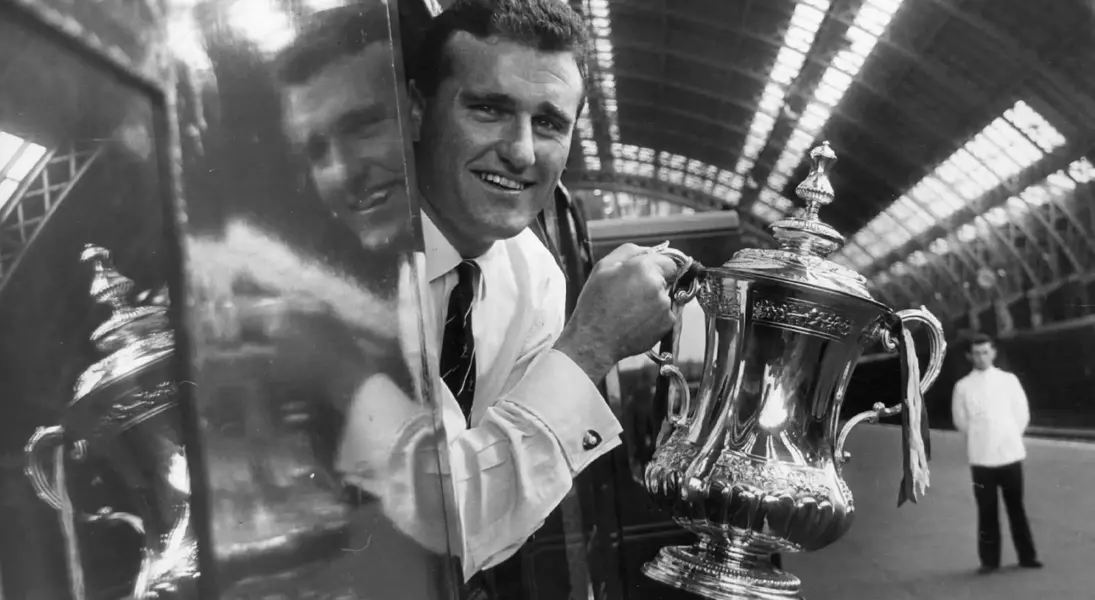
The enduring role of railways in football largely centers on transporting supporters. While now often associated with away fans, in the sport's formative years, trains primarily enabled larger clubs to draw support from wider geographical areas, shaping catchment zones based on rail connections rather than mere proximity. In the northeast of England, the birthplace of railways, Sunderland secured an agreement with the North Eastern Railway for discounted train travel from surrounding colliery settlements on matchdays. Aston Villa similarly benefited from accessibility for fans traveling from towns across the Midlands into Birmingham. However, it was the FA Cup that truly captivated supporters. Although away travel was uncommon in early matches, the FA Cup final evolved into a national spectacle. Fans, particularly in the north, contributed weekly to 'final clubs' to secure potential tickets, often traveling to London even if their team wasn't playing. In 1886, when West Bromwich Albion reached the final, they negotiated a special discounted return fare with the LNWR for their supporters.
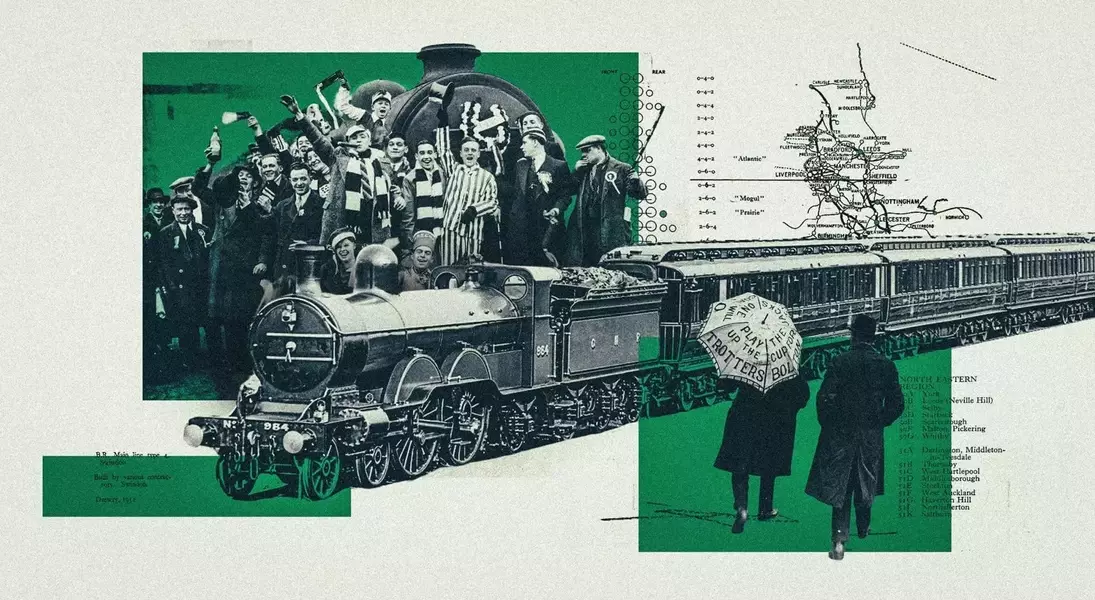
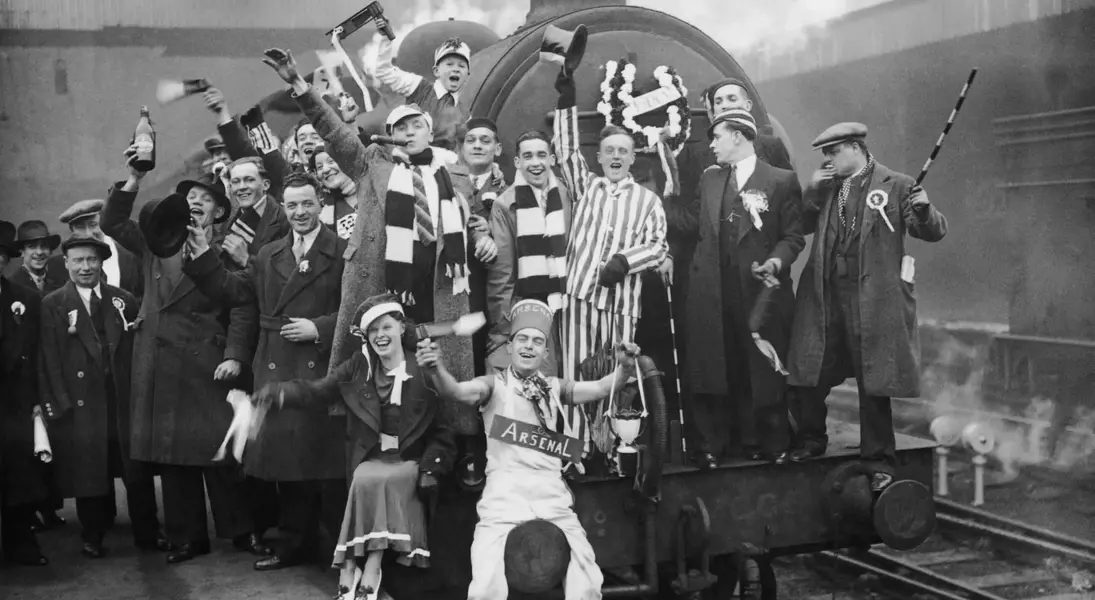
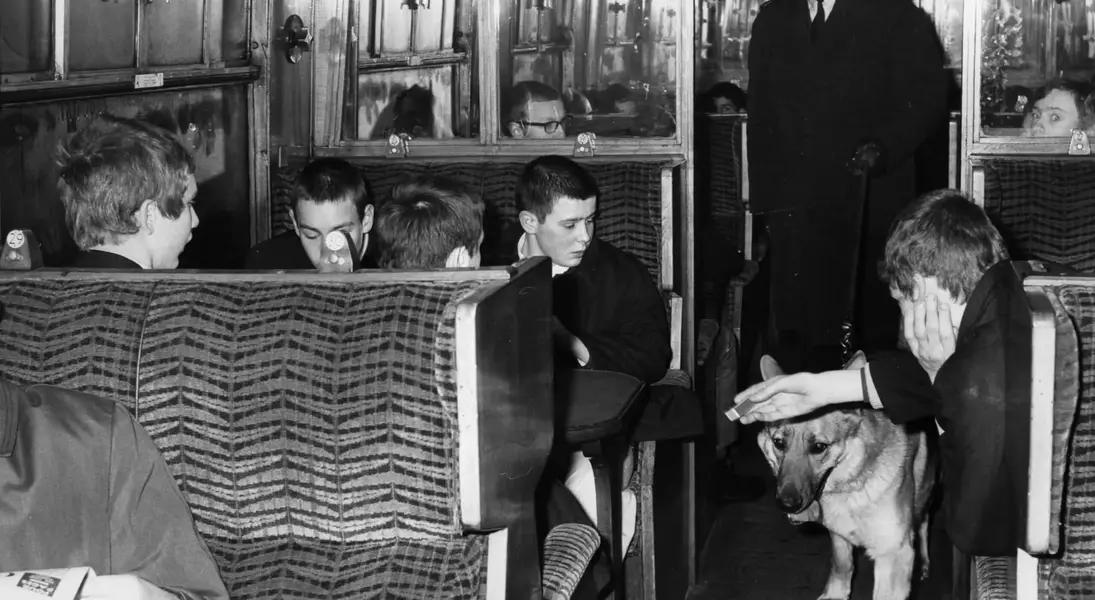
This era gave birth to the renowned 'football special,' a hallmark of mid-20th-century football travel. These dedicated train services transported away fans from their hometowns to the nearest station to the stadium, typically at half the standard fare, often via circuitous routes to circumvent regular rail traffic. Some clubs even personalized these trains, such as Brighton & Hove Albion's 'Seagull Special.' Memorable journeys include the 14 football specials British Rail organized for Sunderland's 1973 FA Cup final victory, transporting 7,000 fans on often lengthy, overnight return trips. A more extreme example is the Liverpool-Rome journey undertaken by fans for the 1977 European Cup final. This pre-Eurostar trip involved trains from Merseyside to Folkestone, an overnight ferry to Belgium (due to French rail strikes), and further train travel through Germany and Switzerland before reaching Rome. The five-day round trip, devoid of catering, running water, or proper sleeping facilities, has become legendary, especially as Liverpool clinched their first European Cup. Despite the arduous conditions, this period, paradoxically, marked a 'golden era' for rail travel in football, albeit one often marred by fan vandalism and clashes with home supporters.
The decline of the football special can be attributed to several converging factors: the privatization of the railways, the proliferation of personal automobiles, and an intriguing period involving train vouchers offered on washing detergent bottles. In the late 1970s and early 1980s, Unilever, through brands like Persil, distributed 'buy-one-get-one-free' train tickets to customers who collected 12 product vouchers. Football supporters capitalized on this, often acquiring vouchers without purchasing the products, enabling them to travel affordably on regular services. This shift allowed fans to enjoy pre-match pub visits instead of being directly herded to stadiums, and these regular services were also less heavily policed than the football specials. This era, regrettably, coincided with the rise of infamous hooligan firms, many of whom adopted names reflecting their train-based travel, such as Leeds United Service Crew and West Ham's Inter City Firm.
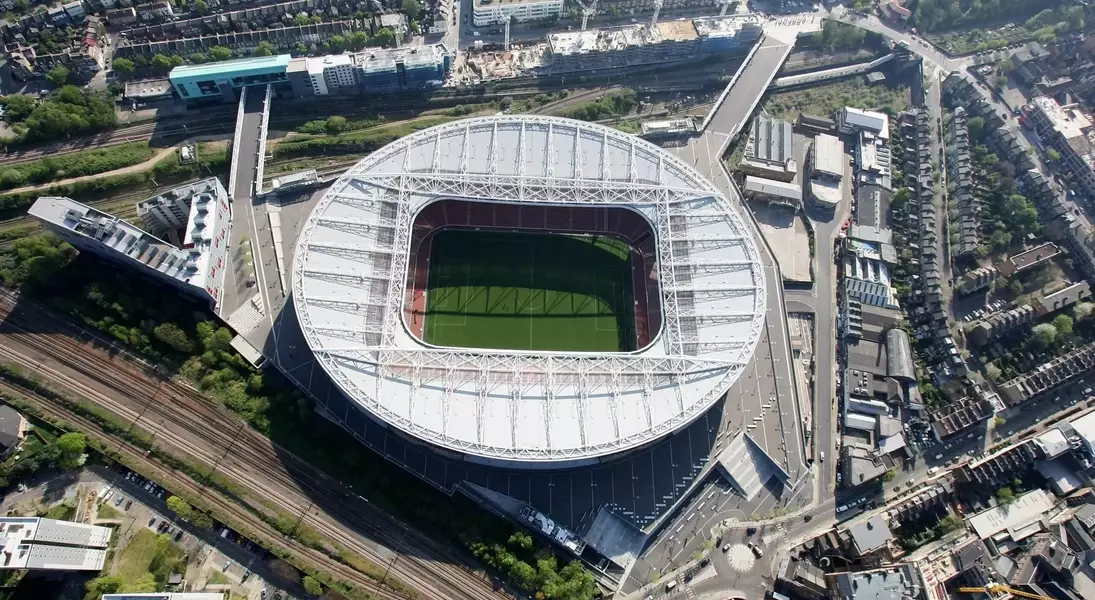
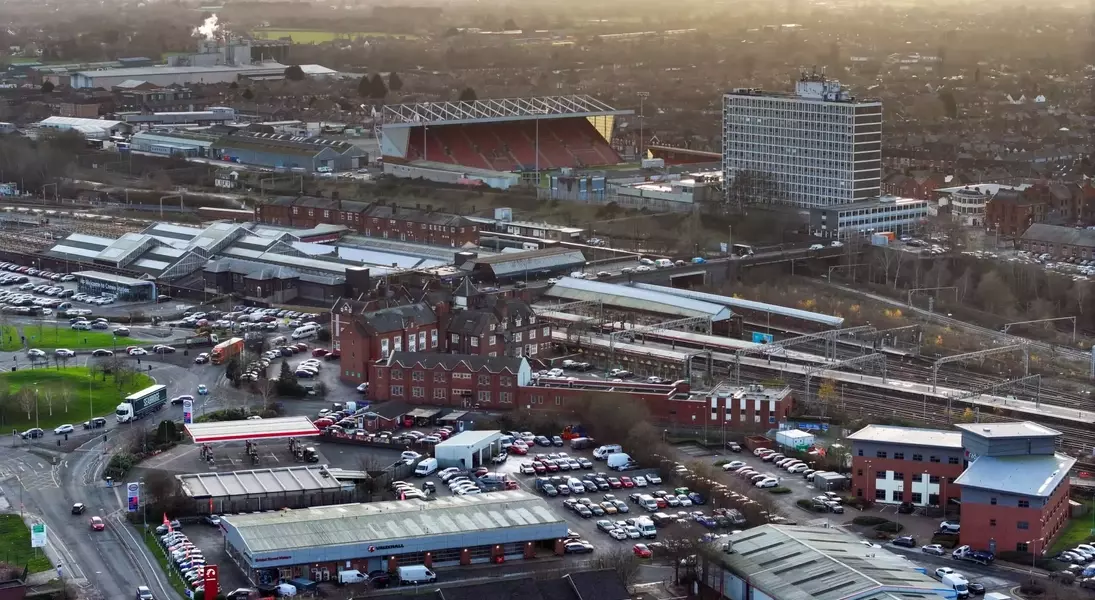
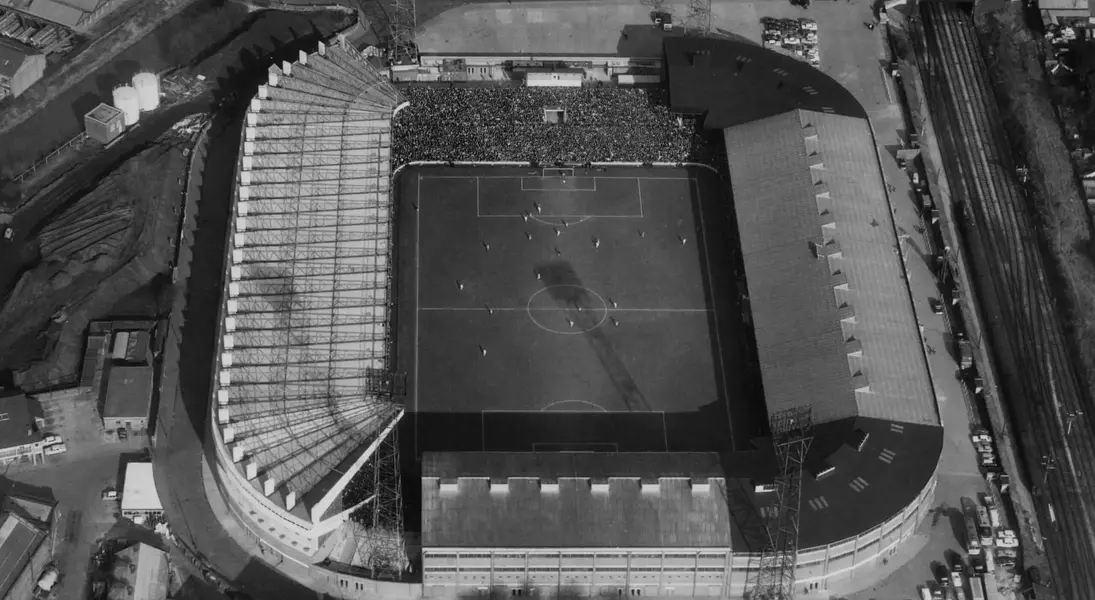
Even where direct station involvement is absent, the proximity of football grounds to railway lines is a recurring observation. While an exhaustive list is unnecessary, it is particularly striking in London, where land is at a premium, that clubs like Arsenal and Millwall established new sites at the convergence of railway tracks, and Brentford's stadium is nestled within a triangle formed by three lines. Conversely, Chelsea's future redevelopment of Stamford Bridge faces significant constraints due to the railway line bordering its eastern side. Indeed, nearly every English league ground boasts reasonable rail accessibility, a convenience that supporters of other sports, such as cricket fans attempting to reach the Rose Bowl in Hampshire, or rugby fans traveling to Worcester Warriors' home, know not to take for granted.
Ironically, some grounds are perhaps too close to stations. Brighton's stadium, for instance, is directly adjacent to Falmer, a stop previously serving primarily suburban residents and university students. A longer walk between the stadium and station might help disperse post-match crowds. Furthermore, because rail is almost the sole viable transport option to Brighton's ground, they are unable to host Boxing Day fixtures due to the absence of rail services on December 26, a national holiday in the UK. This inherent reliance on rail transport for English football highlights the frequent scheduling of fixtures by competition organizers and television companies at times that leave away fans without public transport options for their return journeys. A notable contrast was observed at the Women's European Championship final in Basel, where audible gasps of surprise greeted the announcement that special trains to the city center would have their departures delayed if the game went into extra time—a courtesy that, surprisingly, is not yet a standard practice. Despite these challenges, rail transport for football remains popular. Despite the emphasis on supporter coaches and even short-haul flights for teams, Arsenal recently chartered a train for 500 fans and its squad to Manchester Piccadilly for a match against Manchester United, demonstrating that in this regard, much remains unchanged since the 19th century.
