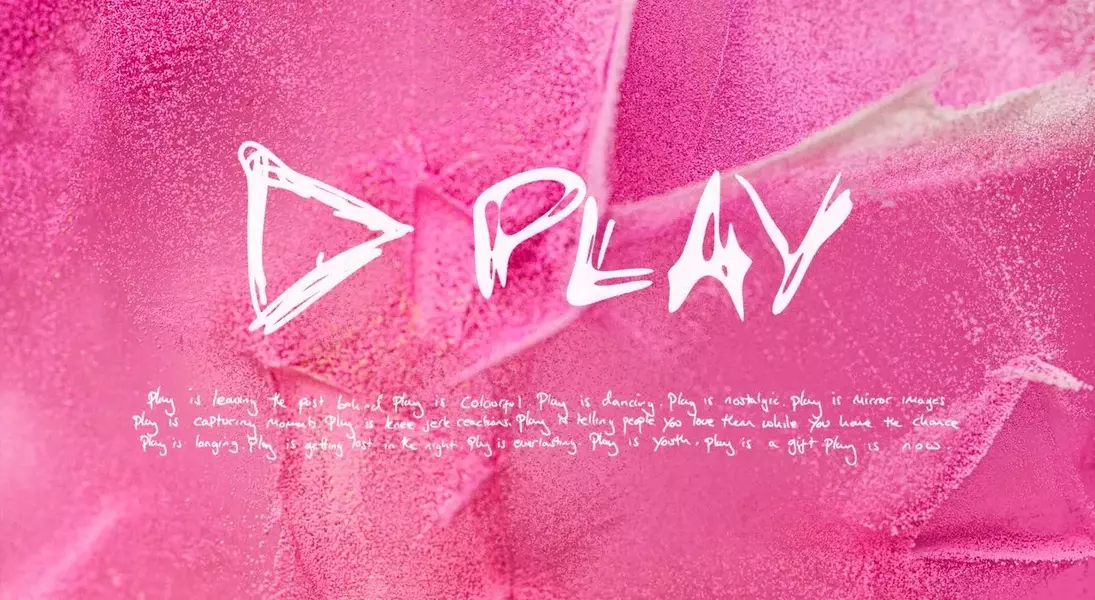
Ed Sheeran's latest musical offering, 'Play,' marks a noticeable shift in his artistic trajectory, revealing a struggle between his established pop star persona and a perceived decline in his creative zeal. The album, following two releases that failed to reach the top of the Billboard 200, presents a diluted version of the genre-bending experimentation that once defined his career. While certain tracks, particularly those drawing from non-Western musical traditions, offer glimpses of his former dynamism, a significant portion of 'Play' is criticized for its uninspired songwriting and a clear over-reliance on previously successful formulas. This suggests a potential reorientation of the artist's priorities, moving away from an unwavering pursuit of chart-topping success towards a greater focus on his personal life.
A Detailed Examination of Ed Sheeran's 'Play' Album
British musician Ed Sheeran has released his latest album, 'Play,' a work that has drawn considerable attention for its perceived lack of the innovative spirit that characterized his earlier career. Music critics and fans alike note a tension within the album, with Sheeran appearing to navigate between his long-standing ambition for pop dominance and a seemingly burgeoning indifference to the demands of the music industry. The album arrives after his 2023 releases, '–' and 'Autumn Variations,' neither of which managed to secure the coveted No. 1 spot on the Billboard 200, a departure from his previous consistent chart success since his 2011 debut.
Historically, Sheeran, known for his \"everyman\" image despite his immense success, was lauded for his willingness to take creative risks. He successfully merged diverse genres, from his acoustic debut addressing social issues to upbeat tracks incorporating grime and dancehall elements, even collaborating with artists like Cardi B. This approach, where his relatable personal life seemed to grant him license for bold musical choices, allowed him to experiment without alienating his broad audience.
However, 'Play' signals a change. Sheeran himself has acknowledged a diminishing drive, stating in a recent interview with The New York Times that \"Pop is a young person’s game and you have to really, really be in it and want it,\" expressing a growing prioritization of family. This sentiment, though understandable, appears to conflict with the album's content, which often revisits familiar themes of romantic ballads and global anthems, but with a noticeable absence of the vigor and charm that previously captivated audiences.
The album's opening track, \"Opening,\" hints at deeper personal struggles and professional uncertainties, with lyrics such as \"In this world, there’s no relaxin’ / I’ve been here since migraine skankin’ / Never been cool, but never been a has-been.\" While this track offers a fascinating meta-commentary on his current state, its musical execution, particularly the rapping, has been met with criticism for its perceived awkwardness. Despite the lyrical candor, the album largely fails to deeply explore these themes. For instance, \"Old Phone\" recounts a common experience of discovering an old phone filled with memories, but its interpretation is seen as superficial, lacking profound introspection. Similarly, tracks like \"Camera,\" \"In Other Words,\" and \"The Vow\" are viewed as rehashes of his previous hits, demonstrating a reliance on established formulas rather than fresh innovation.
The standout moments on 'Play' emerge from tracks where Sheeran genuinely embraces diverse musical traditions. \"Azizam,\" meaning \"my darling\" in Persian, is highlighted as one of his most vibrant songs since \"Shape of You,\" primarily due to its compelling hook and Ilya's skillful integration of unconventional rhythms and traditional Iranian instruments. Collaborations such as \"Sapphire\" with Punjabi artist Arijit Singh and \"Symmetry,\" featuring Jayesh Kathak's tabla rhythm, also receive praise for Sheeran's enthusiastic engagement, reminiscent of his earlier willingness to push boundaries, despite some critics noting a \"profound cringe factor\" in similar past endeavors. These tracks, conceived during the album's completion in Goa, offer a glimpse into what a fully inspired 'Play' could have been.
The album concludes with \"Heaven,\" a song that is considered one of 'Play's stronger offerings but also encapsulates its central issues. While it exhibits a pleasant, ghatam-led groove and generally agreeable lyrics, it draws comparisons to other popular songs, reigniting discussions about Sheeran's originality. The track's combination of innovation and familiar clichés leaves listeners questioning the artist's current creative direction, as evidenced by lines like \"Chemicals bursting, exploding / As every second’s unfolding,\" which may feel repetitive to long-time listeners.
Ultimately, 'Play' suggests that Ed Sheeran, a figure who once seamlessly blended mainstream appeal with experimental genre exploration, may now be at a crossroads, balancing his past musical ambitions with a renewed focus on his personal life and a less intense pursuit of commercial success. The album serves as a poignant reflection on the complexities of maintaining artistic relevance and passion in the ever-evolving landscape of pop music.
From a journalist's perspective, Ed Sheeran's 'Play' album offers a fascinating case study into the evolving career of a globally recognized artist. It highlights the inherent tension between artistic ambition and the demands of sustained commercial success, especially for someone who has reached the pinnacle of the music industry. The album prompts reflection on whether an artist's personal growth and shifting priorities can coexist with the constant pressure to innovate and deliver chart-topping hits. It also raises questions about the industry's expectation for artists to perpetually reinvent themselves while simultaneously adhering to the formulas that initially brought them fame. Sheeran's candid admission about pop being a \"young person's game\" underscores a broader truth about the relentless pace and youth-centric nature of mainstream music. Ultimately, 'Play' serves as a reminder that even the most successful artists are not immune to creative fatigue and the desire for a more balanced life, leaving both critics and fans to ponder the future direction of his distinguished, yet increasingly introspective, musical journey.
