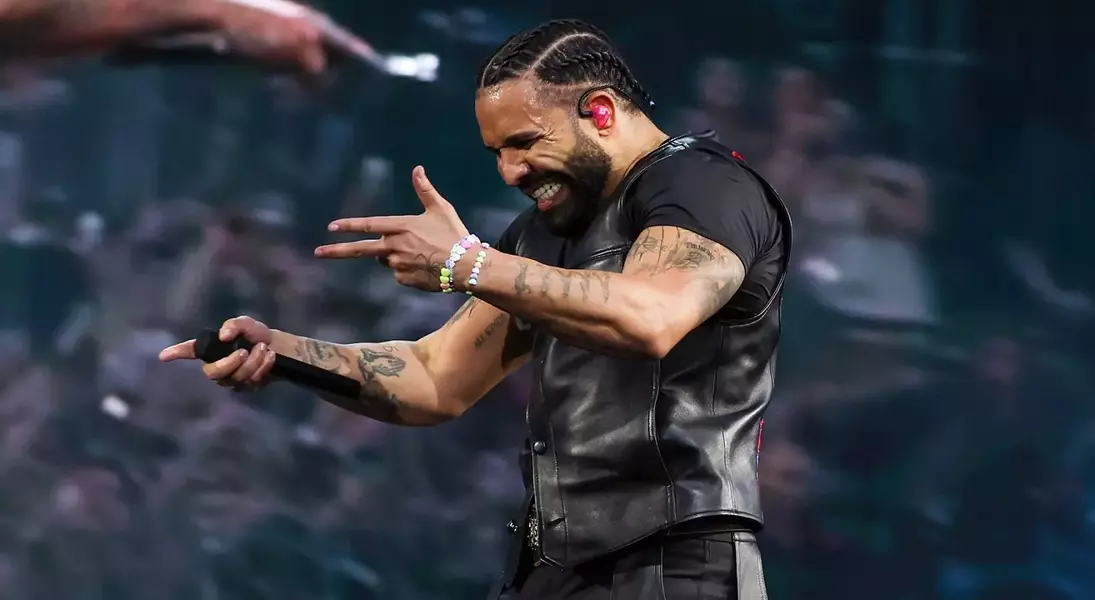
A recent incident involving the unexpected leak of a new Drake song by meme coin promoters has brought to light the unpredictable nature of the cryptocurrency world and the challenges content platforms face. This event, where two teenagers amplified their digital currency through unauthorized music sharing, underscores how viral stunts can significantly impact both emerging financial markets and established entertainment industries, prompting discussions about intellectual property and platform responsibility.
Teenage Crypto Promoters Accidentally Leak Drake's New Track, Sparking Online Frenzy and Artist's Ire
In mid-September 2025, two young digital currency enthusiasts, operating under the name $BAGWORK, unwittingly released an unreleased song from Drake's upcoming album, 'Iceman,' during a promotional livestream on Pump.fun. The platform, known for its user-friendly interface for launching meme coins without extensive technical knowledge, recently reinstated its livestreaming capabilities, allowing creators to promote their digital tokens. The leaked track, featuring a beat previously teased by Drake in an 'Iceman' livestream, contained lyrics seemingly aimed at LeBron James, causing a stir among fans. Drake, reportedly perturbed by the unauthorized release, reached out to streamer Adin Ross during one of his Kick streams, seeking information about the individuals responsible for the leak. Ross, initially skeptical, soon realized Drake's genuine distress, confirming the rapper's lack of involvement in the leak. The incident led to a significant, albeit temporary, surge in $BAGWORK's market value, which briefly hit $53 million before settling at a lower figure. This event also revealed the financial incentives offered by Pump.fun, where creators earn a share of transaction fees, leading the $BAGWORK promoters to accumulate over $83,000 in rewards from the viral stream alone. Prior to this music leak, the coin's creators had engaged in other attention-grabbing stunts, such as disrupting Los Angeles Dodgers games, all in an effort to boost their meme coin's profile.
This occurrence serves as a vivid illustration of the intersection between digital finance and popular culture, showcasing both the innovative potential and the inherent risks. It highlights how easily content can spread and blur the lines of intellectual property, especially in the rapidly evolving digital landscape. The incident prompts a crucial discussion about the responsibilities of platforms like Pump.fun in managing user-generated content and the need for more robust moderation policies to prevent copyright infringement and other potentially problematic activities, ensuring a safer and more ethical environment for both creators and consumers in the burgeoning world of meme coins and streaming.
