In the dynamic world of elite football, understanding a manager's evolving philosophy can be a complex endeavor. Pep Guardiola, a figure synonymous with tactical innovation, continually defies easy categorization. The recent acquisition of Gianluigi Donnarumma by Manchester City, a move that parallels the earlier signing of Erling Haaland, challenges preconceived notions of what constitutes a 'Pep player.' This transition suggests a fascinating recalibration of strategic priorities, particularly in the seemingly unconventional choice of a shot-stopping goalkeeper over a traditional ball-playing one, indicating a potential shift towards adaptability and the utilization of exceptional, specialized talent within his fluid system.
For two decades, Guardiola has been at the helm of top-tier clubs across different nations, accumulating an immense body of work that includes countless matches and extensive press conferences. Despite numerous analyses and biographies attempting to decode his tactical blueprint, his elusive nature persists. He has famously dismissed the 'Tiki Taka' label, and while once perceived as favoring midfield-heavy teams, he achieved significant success with four central defenders, defying predictable patterns.
His approach to strikers also showcases this unpredictability, oscillating between 'false nines,' 'no nines,' and 'ball-playing nines,' rarely settling for the conventional. This fluid methodology makes any attempt to definitively 'figure out' Guardiola a challenging exercise, echoing the sentiment that perception often falls short of reality.
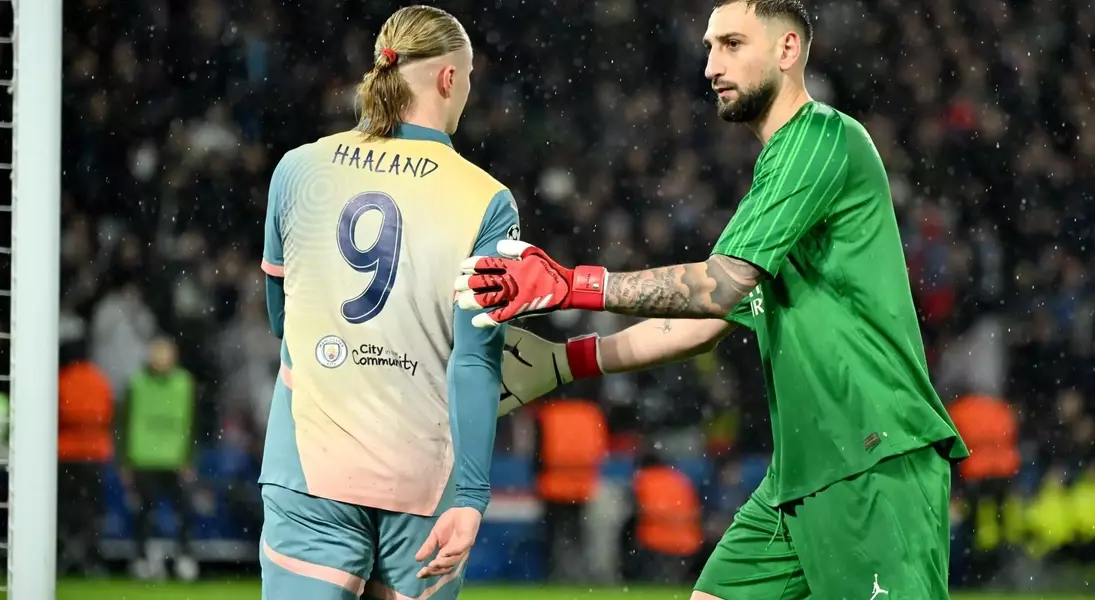
The arrival of Erling Haaland at Manchester City initially raised eyebrows among analysts who questioned his compatibility with Guardiola's intricate passing and link-up play. Concerns were voiced about a 'Bundesliga tax' and potential stylistic clashes. However, Haaland swiftly shattered these doubts, becoming the fastest player in Premier League history to reach 50 goals and consistently challenging goal-scoring records. This remarkable success underscores that while tactical nuances are important, raw, prolific goal-scoring ability—the most challenging feat in football—ultimately takes precedence. Haaland’s integration demonstrated Guardiola’s willingness to adapt his system to accommodate truly exceptional individual talent, rather than forcing a player into a rigid preconceived mold.
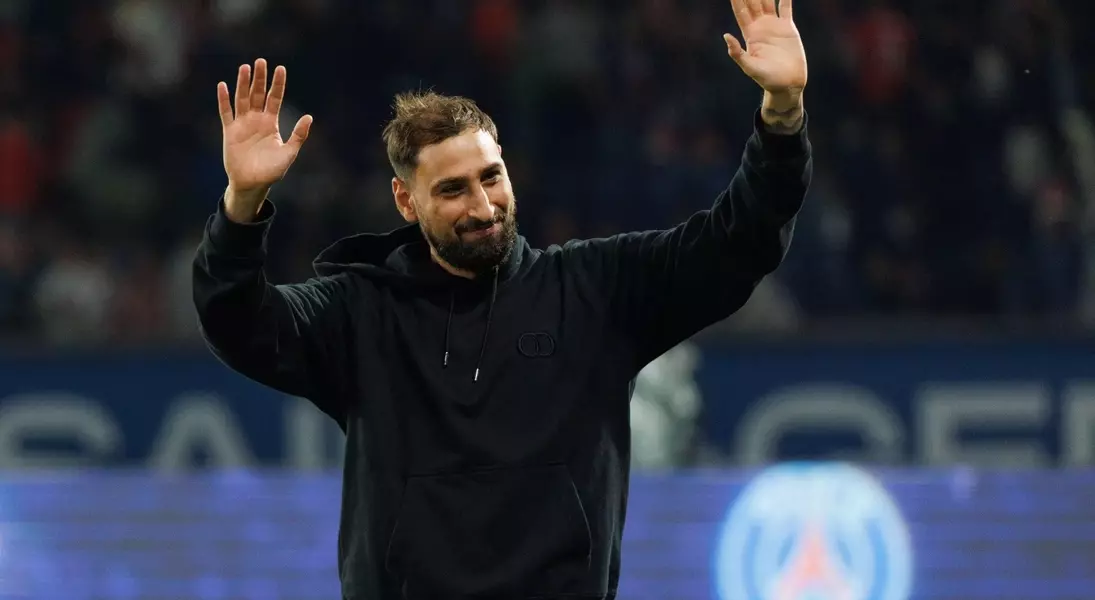
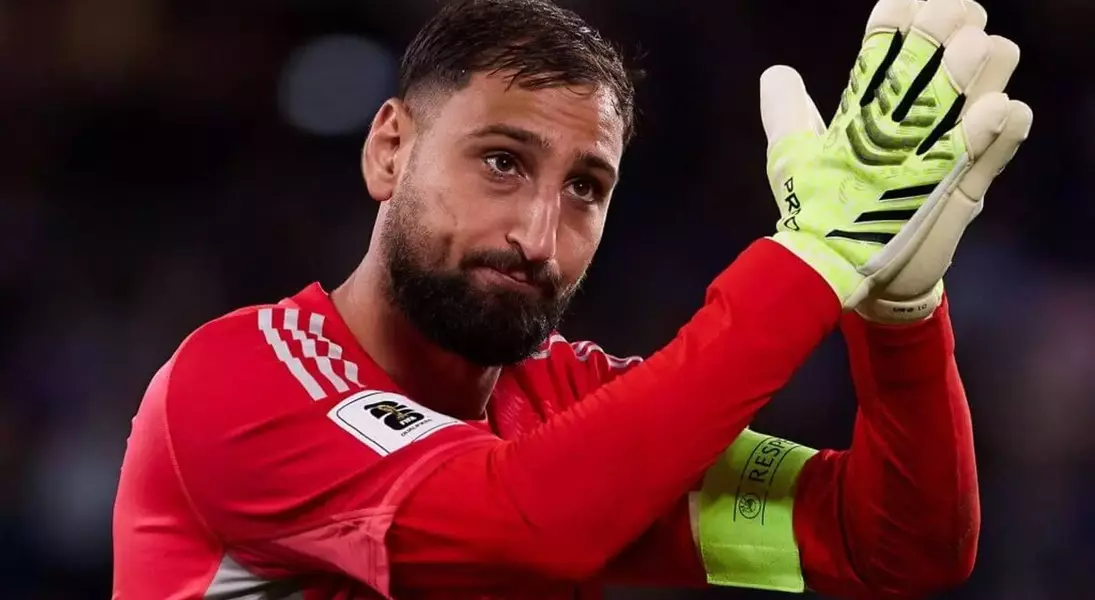
Similarly, the recent focus has shifted to the other end of the pitch with the signing of Gianluigi Donnarumma. Despite his youth, Donnarumma boasts an extraordinary career, having debuted for AC Milan at 16 and Italy at 17. He thrived under intense scrutiny, establishing himself as a top-tier goalkeeper. His accolades include being named Player of the Tournament at Euro 2020, winning the Yashin Trophy, and playing a crucial role in PSG’s first Champions League triumph. Statistical analysis consistently shows him preventing more goals than the average goalkeeper in Europe's top leagues over the past decade, yet his immense talent is often overshadowed by off-field contractual sagas and criticisms of his perceived weaknesses in distribution, particularly when compared to the ball-playing goalkeepers popularized by Guardiola himself.
The footballing landscape has seen a rise in 'outfielders in gloves' like Ederson and Alisson, who redefined goalkeeping standards in England by excelling in ball distribution and proactive play. This created a new 'normal' where goalkeepers were expected to contribute significantly to build-up play. However, the recent successes of Real Madrid and PSG, both featuring top-tier shot-stoppers like Thibaut Courtois and Donnarumma, suggest a re-evaluation of priorities. These teams emphasize superb shot-stopping and risk-taking dribblers, indicating that in certain contexts, traditional goalkeeping prowess remains paramount. Perhaps, in a Manchester City team that may become more chaotic and less dominant in possession, a goalkeeper of Donnarumma’s caliber, known for his exceptional shot-stopping rather than his distribution, becomes a strategic necessity. This signals a pragmatic evolution in Guardiola's philosophy, acknowledging that the fundamental role of a goalkeeper—to keep goals out—is, and always has been, the most critical.
Donnarumma's arrival at Manchester City, a move he described as an "indescribable feeling" given Guardiola's interest, implies a calculated trade-off. While his distribution might be seen as a relative weakness by some, his world-class ability to prevent goals aligns with a timeless footballing adage: "You can marry the wrong woman, but you can't sign the wrong goalkeeper or striker." Just as Haaland’s unique goal-scoring ability was ultimately prioritized over perceived deficiencies in his link-up play, Donnarumma’s exceptional shot-stopping talent, often paradoxically overlooked, could represent a similar, vital asset. This acquisition signals a strategic pivot, emphasizing that under Guardiola, adaptability and leveraging extraordinary, specific talents can take precedence over rigid adherence to a singular, preconceived playing style.
