In an era increasingly defined by digital documentation, one legendary musician is taking a definitive stand. This article explores Bob Dylan's deliberate efforts to create a more authentic and undistracted live performance environment, a poignant response to the pervasive presence of smartphones at concerts.
Witness the Music, Not the Screen: Dylan's Vision for Live Performance
A History of Frustration: Dylan's Early Rebukes and Phone Bans
Years ago, following a performance in Austria, Bob Dylan openly expressed his displeasure with audience members recording his show. This incident marked an early indication of his growing frustration with the constant presence of cameras. In subsequent years, strict no-phone policies were enforced at his solo concerts. Ushers actively patrolled the aisles, ready to remove anyone attempting to film, fostering a refreshing, old-fashioned concert atmosphere where attendees were fully immersed in the moment rather than through a phone screen. While audio recordings of these performances circulated, video content remained scarce and often of poor quality due to covert filming.
The Challenge of Mass Gatherings: Dylan's Dilemma at Large Festivals
Last summer, Dylan joined Willie Nelson's Outlaw Music Festival, a major tour playing to amphitheaters accommodating tens of thousands. At such large-scale events, enforcing a phone ban became impractical. This meant Dylan found himself performing before a vast expanse of glowing smartphone screens, a sight he had largely avoided for years. While this change allowed for popular setlist moments, like the return of "Mr. Tambourine Man" or surprise cover songs, to be widely shared online the following day, it likely intensified Dylan's personal annoyance with the situation.
The Ultimate Disappearing Act: Dylan's Recent Onstage Strategy
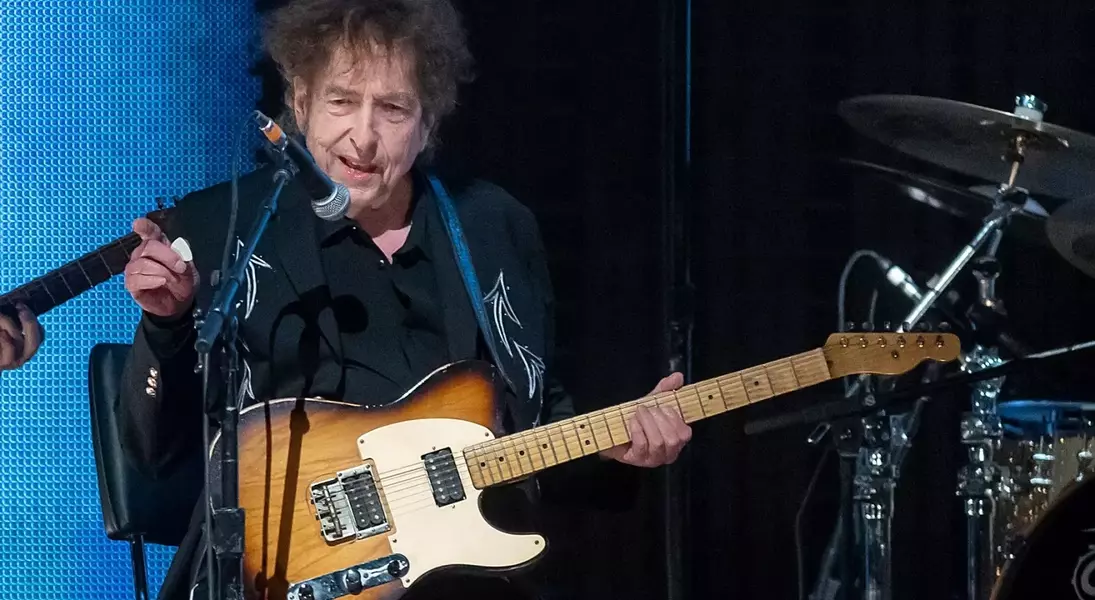
Upon the resumption of the Outlaw tour in Bangor, Maine, after a four-week break, Dylan adopted an even more radical approach to counter phone use. He positioned himself behind a grand piano, elevated the music stand, and surrounded himself with powerful lights. He also pulled his hoodie tightly over his head. Reports from fans indicated that even those in the front rows could barely discern anything beyond the top of his hood. For the majority of the audience, he appeared as little more than a shadowy form behind the instrument, if visible at all.
Audience Reactions and the Widespread Impact of Phone Filming
This extreme measure sparked considerable discontent among the audience, with many expressing their frustration at the lack of visibility. Some fans openly complained, while others, more discreetly, chose to leave the performance. There were even instances of audience members debating whether the figure on stage was indeed Dylan himself or an impersonator. This sentiment underscores a larger issue prevalent in modern concerts: the disruptive behavior of phone-obsessed attendees. The constant recording, photo-taking, and immediate uploading to social media platforms often detract from the collective live experience, turning other concertgoers into mere background elements in personal photo opportunities.
Reclaiming the Live Experience: A Call for Presence
The essence of attending a live concert lies in experiencing a unique, in-person moment. When individuals spend the entire show fixated on their phones, they not only diminish their own experience but also detract from that of those around them. The quality of personal phone recordings is often subpar, and with countless others capturing the same event, there is little need for individual documentation. In the spirit of social harmony and respect for the shared experience, artists like Bob Dylan are implicitly urging audiences to set aside their devices and fully engage with the present. His drastic actions on stage, while unconventional, serve as a powerful statement about the importance of being truly present at a live performance.
