



The landscape of Premier League football has witnessed a notable shift over the last thirty years, particularly concerning the representation of locally-developed players within club squads. Once a source of immense pride and a strong link to community identity, the presence of homegrown talent has steadily declined. This phenomenon is not merely anecdotal but is supported by statistical evidence, revealing a significant drop in the average number of local players per team.
Several interconnected factors contribute to this evolving scenario. The landmark Bosman ruling in 1995 opened the floodgates for international players, fundamentally altering squad compositions. More recently, financial regulations like the Profit and Sustainability Rules (PSR) have inadvertently incentivized clubs to sell academy graduates for pure profit, as these players carry no acquisition cost. Concurrently, an increasingly competitive and globalized youth development system sees top clubs aggressively recruiting promising young players from across regions, often leading to a concentration of talent that may not be locally rooted. This trend poses questions about the future identity of clubs and their connection with the communities they represent.
The Historical Shift and Statistical Decline of Homegrown Talent
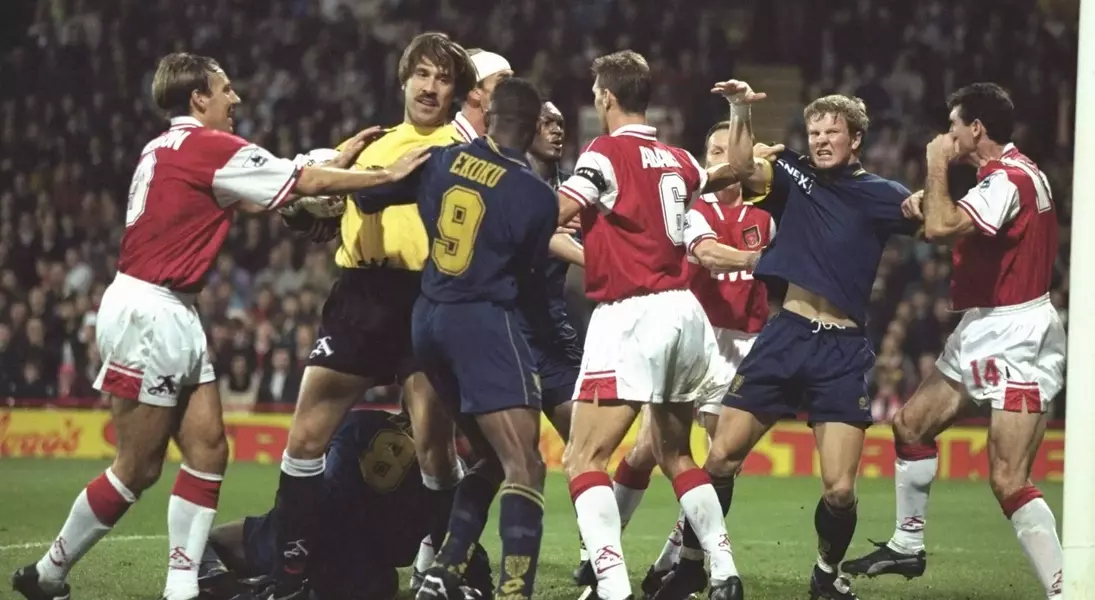
For decades, local players were the heart and soul of many football clubs, embodying the spirit and identity of their communities. Phrases like “one of our own” resonated deeply with fans, fostering a strong sense of belonging and pride. However, this cherished tradition has faced significant erosion. Statistics reveal a stark decline: in the 1995-96 season, Premier League clubs averaged 6.5 local players, defined as individuals raised within the city, county, or a roughly 45-minute drive of the club. Teams like Wimbledon boasted as many as 16 Londoners. Fast forward to 2010-11, and this average plummeted to 3.7 local players per team. Today, at the start of the 2025-26 season, the average stands at a mere 2.7. Several prominent clubs, including Aston Villa, Leeds, Wolves, and Burnley, currently have no local first-team players, while others like Nottingham Forest, Liverpool, and Bournemouth feature only one.
This drastic reduction is largely attributed to the Bosman ruling of December 1995, which dismantled quotas on European Union players, allowing clubs unprecedented freedom to sign international talent. This coincided with a significant increase in club revenues, fueled by new television deals, which further encouraged investment in a wider pool of players. While initial efforts were made to counteract this trend, such as UEFA's introduction of a 'homegrown' rule in 2006 (requiring a certain number of domestically trained players in European competitions) and the Premier League's own version in 2010, these measures have evidently not been sufficient to maintain the presence of truly local players at historical levels. The impact of these regulatory and economic shifts has fundamentally reshaped team rosters, prioritizing global talent over local roots.
Economic Pressures and Recruitment Strategies Driving the Change
Beyond the Bosman ruling, contemporary pressures, particularly the Profit and Sustainability Rules (PSR), have emerged as a significant factor in the exodus of local talent. Under PSR, clubs are incentivized to sell players who were not acquired through transfer fees, as their sale generates 'pure profit' that directly aids financial compliance. This has led to high-profile sales of academy products, such as Chelsea’s Conor Gallagher, Newcastle’s Elliot Anderson, and Aston Villa’s Jacob Ramsey, collectively fetching over £110 million in the past 18 months. While these sales offer financial relief, they often come at the emotional cost of losing beloved homegrown players who symbolize the club's identity. Despite clubs arguing these players are 'expendable' or not central to tactical plans, the underlying financial imperative is undeniable.
Furthermore, an aggressive and pervasive recruitment strategy, particularly among the 'Big Six' clubs and increasingly adopted by others, is reshaping youth academies. Instead of solely nurturing local talent from a young age, clubs are now actively poaching promising academy prospects from rival teams, sometimes even from overseas. This intense competition for young talent means that a player aiming to break into a top-tier team must not only be the best in their immediate region but often among the elite globally. This approach, while potentially strengthening academies with diverse talents, significantly diminishes the likelihood of players genuinely 'local' to the club's vicinity making it to the first team. The focus has shifted from community-based development to a broader, more competitive scouting network, further displacing homegrown players in favor of nationally or internationally sourced youth prospects.
