The search for the next actor to embody the legendary secret agent, James Bond, has sparked a lively discussion within Hollywood and among fans. Following Daniel Craig's departure from the role after 'No Time to Die,' the debate extends beyond merely finding a new leading man, delving into the very essence of the character and whether the role could, or should, be portrayed by a woman.
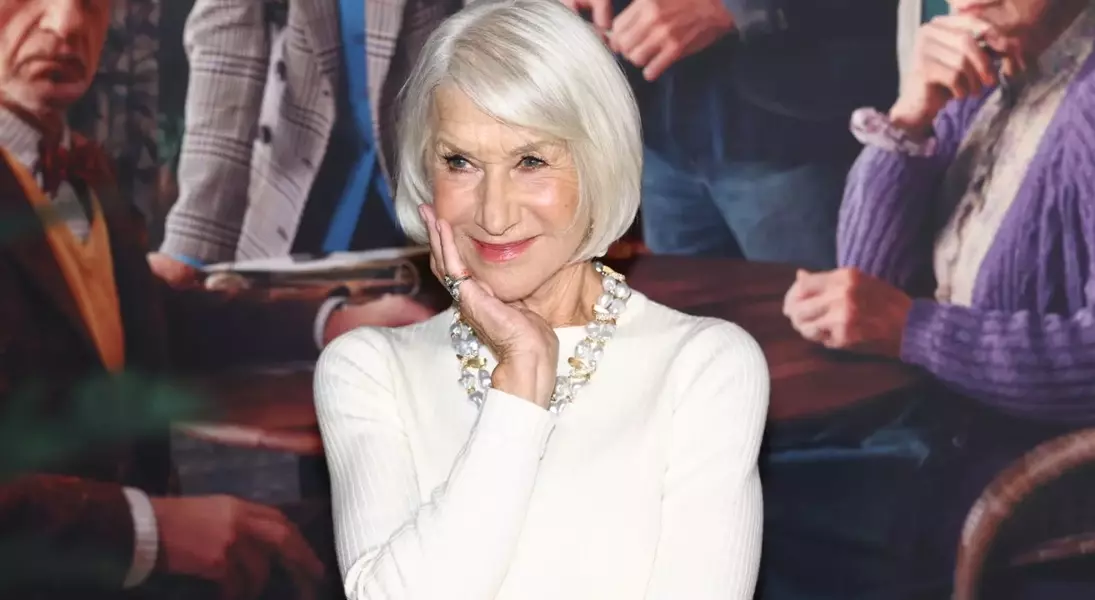
Esteemed actress Helen Mirren, alongside former Bond star Pierce Brosnan, recently shared their perspectives on this contentious topic. Mirren firmly believes that the character's established identity is intrinsically linked to being male, arguing that casting a woman would fundamentally alter the franchise's core. Brosnan, who initially expressed openness to a female Bond in 2019, now aligns with Mirren's view, emphasizing the need for a fresh male actor to inject new vitality into the enduring persona. This shift in Brosnan's stance highlights the complexity and evolving nature of the conversation surrounding the character's future, especially considering the long-standing influence of the Broccoli family, who historically maintained creative control over the series.
The landscape of the James Bond franchise has recently undergone a significant transformation with Amazon MGM Studios assuming ownership, marking a new chapter for the espionage saga. While the Broccoli family has ceded creative reins, they maintain intellectual property rights, ensuring their continued involvement in the character's legacy. This transition, coupled with past discussions about diversity in the role—such as Lashana Lynch's brief portrayal of Agent 007 in 'No Time to Die,' which faced considerable backlash—underscores the ongoing tension between tradition and evolving audience expectations. As the franchise looks ahead, the fundamental question of Bond's identity remains at the forefront, influencing potential casting decisions and narrative directions.
Ultimately, the discussion surrounding James Bond's future is a reflection of broader societal dialogues about tradition, representation, and the evolution of iconic cultural figures. While there is a strong argument for preserving the character's original male identity, the clamor for more diverse and substantial roles for women and people of color in cinema underscores a powerful and positive shift towards inclusive storytelling. The challenge lies in honoring the legacy of a beloved character while simultaneously embracing progress and creating new, equally compelling opportunities for a wider range of talent.
