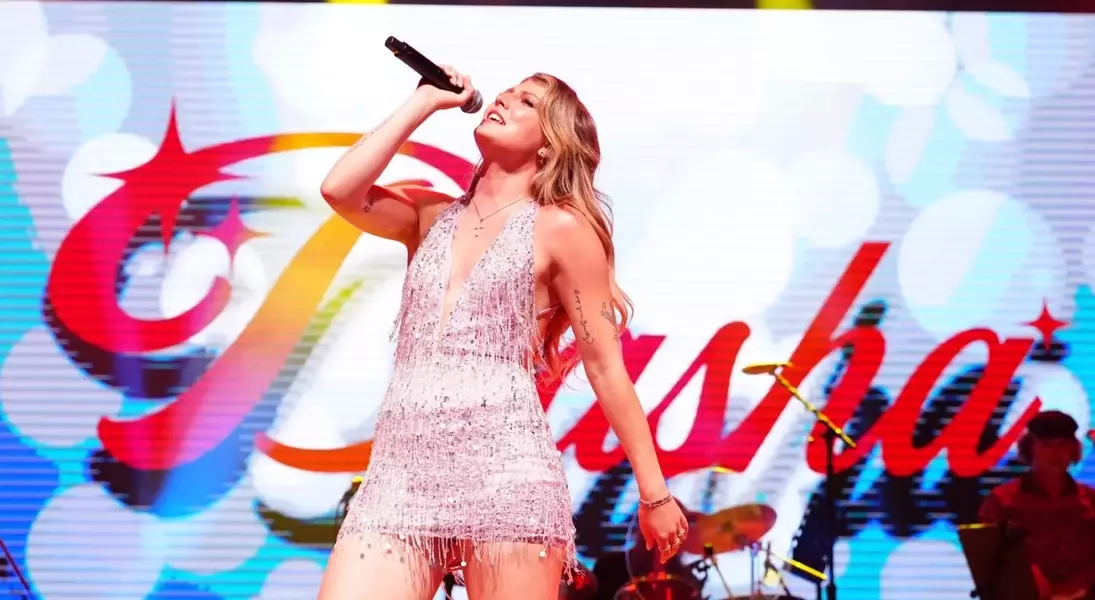
Country music artist Dasha recently shed light on the stark gender inequality prevalent within the genre. Speaking on the \"Nashville Now\" podcast, she detailed her personal experiences with the uneven playing field in the industry, emphasizing how male artists are often lauded for their outspokenness, while women face harsh criticism for similar actions. Her insights offer a critical perspective on the challenges female musicians encounter, particularly in the realm of online engagement and public perception.
Dasha articulated that within the country music landscape, men typically enjoy a degree of immunity from criticism when expressing strong opinions or pushing boundaries. Their boldness is frequently perceived as admirable, enhancing their appeal. Conversely, when women in the same genre exhibit similar assertiveness or unconventional behavior, they are often met with significant negative feedback, including derogatory remarks from fans online.
She recounted past struggles with online negativity, admitting that such comments previously brought her to tears. However, Dasha has since developed a resilient approach, now viewing negative feedback as a positive force that boosts her content's visibility through algorithm engagement. This shift in perspective demonstrates her growth in navigating the often-toxic environment of online discourse.
Beyond discussing industry challenges, Dasha also shared exciting news about her musical endeavors. She is preparing for the release of her new EP, \"Anna,\" slated for October 10th. As a preview of the upcoming project, she recently launched a new track titled \"Train.\" These releases follow the success of her viral hit, \"Austin (Boots Stop Workin'),\" indicating a continued trajectory of creative output and engagement with her audience.
Dasha's comments underscore a broader conversation about fairness and representation in entertainment, urging listeners to consider the different standards applied to artists based on gender. Her upcoming music releases provide a platform for her artistic expression, while her candid discussion on the podcast contributes to an ongoing dialogue about gender dynamics in the country music scene.
