
The recent Premier League encounter between Chelsea and Fulham at Stamford Bridge was dominated by a series of contentious officiating decisions, prompting considerable frustration from Fulham's coaching staff. These incidents, including a disallowed goal, the timing of Chelsea's opening strike, and a disputable penalty, collectively fueled an intense debate regarding the consistency and application of Video Assistant Referee (VAR) protocols within the sport. The aftermath of the match saw widespread discussion among fans, pundits, and former referees, underscoring the ongoing challenges faced by match officials in high-stakes football.
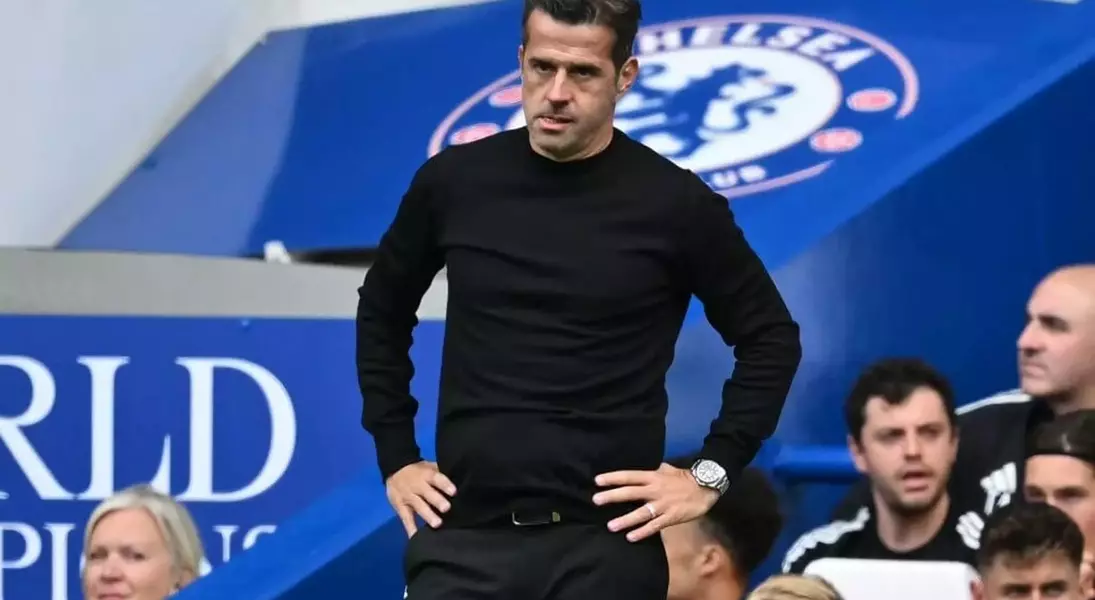
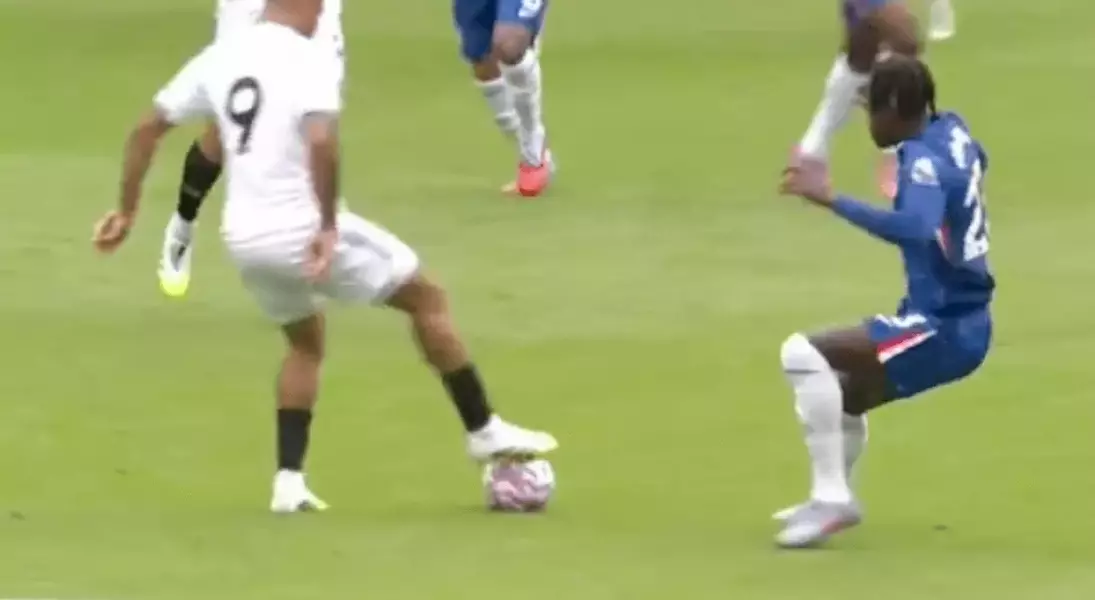
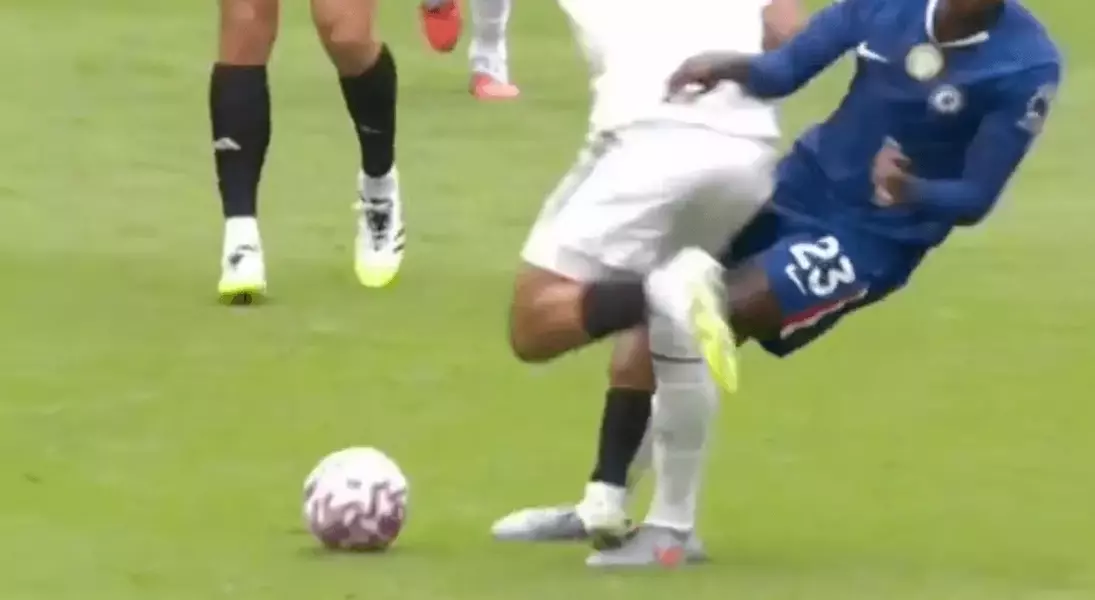
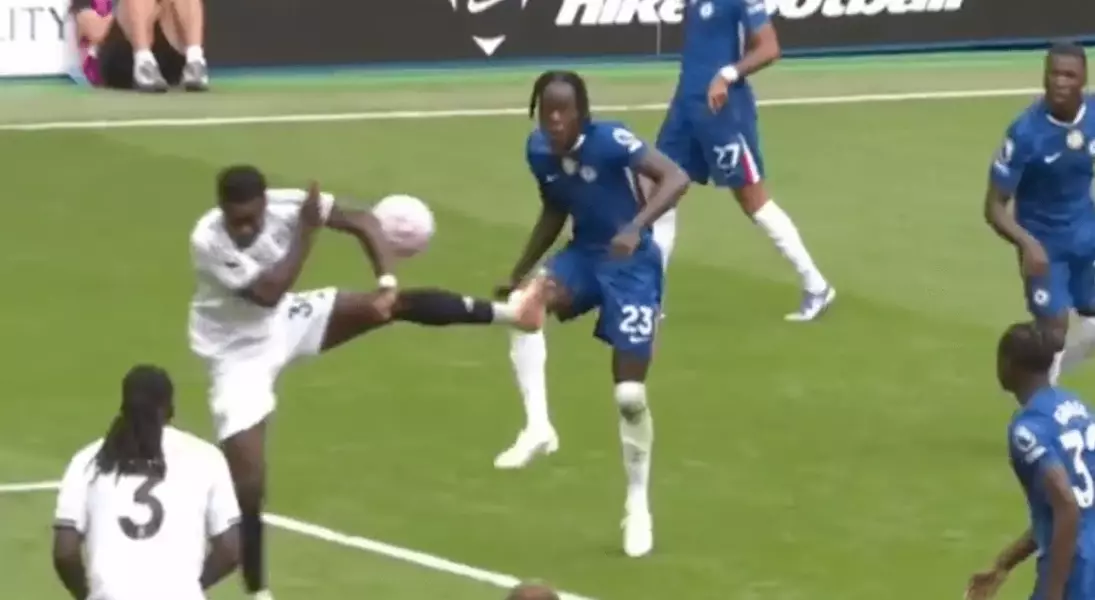
Fulham’s manager, Marco Silva, expressed profound disappointment with the officiating during his team's 2-0 defeat to Chelsea. A key flashpoint occurred early in the match when a potential opening goal for Fulham, scored by Josh King, was overturned. Referee Robert Jones, following a VAR review, cited a 'careless' foul by Rodrigo Muniz in the build-up. Muniz's slight contact with Chelsea defender Trevoh Chalobah's foot, despite the ball eventually falling to King after another Chelsea player's attempted clearance, led to the annulment of the goal. Silva vehemently disagreed, asserting that VAR's role is not to re-referee the game but to correct clear and obvious errors. Former Premier League referee Mike Dean echoed this sentiment, labeling the VAR intervention as a 'poor call' and suggesting the on-field official 'panicked' rather than trusting his initial judgment.
Further escalating tensions, Chelsea's opening goal, scored by Joao Pedro, occurred 55 seconds beyond the eight minutes of first-half added time. While regulations permit play to continue past the indicated minimum, Silva questioned the fairness, especially as the goal came from a second corner kick awarded after the initial added time had elapsed. The manager recounted a conversation with the referee, who reportedly attributed the extended play to time lost during a player interaction, a justification Silva found unconvincing given his own assessment of the game's flow.
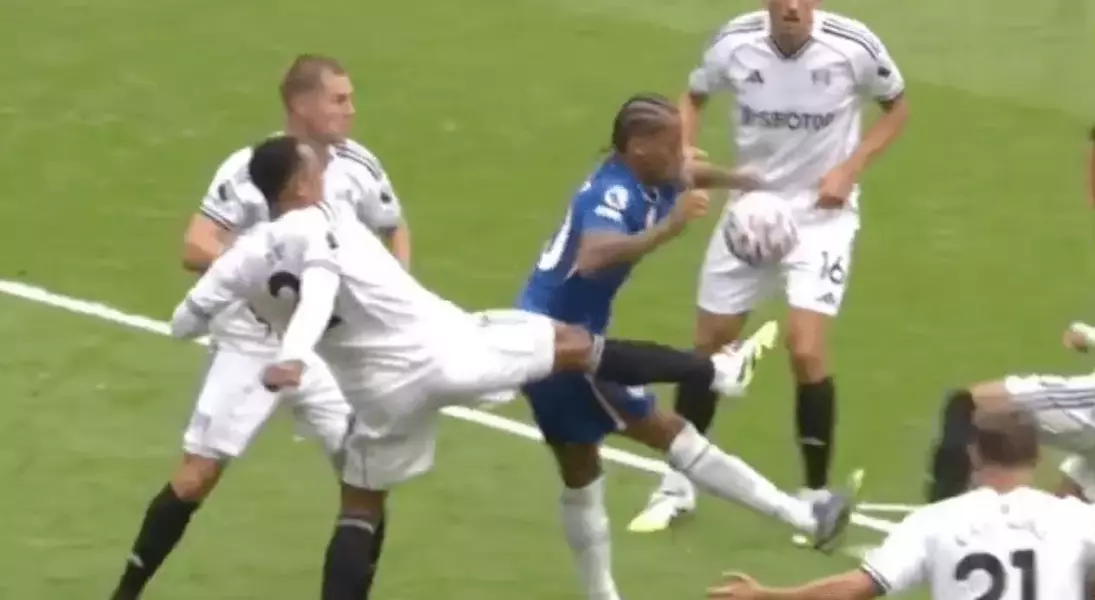
The controversies continued with a penalty awarded to Chelsea in the second half. Following a VAR review, Enzo Fernandez converted from the spot after Ryan Sessegnon was penalized for a handball. This decision, while seemingly straightforward given Sessegnon’s extended arm, was complicated by replays showing Chelsea's Joao Pedro also handling the ball moments earlier, an incident that went unpunished. Silva highlighted this inconsistency, along with other uncalled fouls in Fulham's favor, such as a perceived stamp on Alex Iwobi and a push on Joachim Andersen. He voiced his difficulty in explaining such unbalanced decisions to his players, emphasizing the perceived lack of consistency in refereeing actions.
The confluence of these contentious decisions in such a short period, especially after Fulham experienced similar debatable calls in their previous match against Manchester United, left Marco Silva feeling a sense of profound sadness for the sport. The incidents ignited a broader discussion on the efficacy and fairness of VAR in modern football, with many calling for greater clarity and consistency in its application to preserve the integrity of the game and minimize managerial and player frustration.
