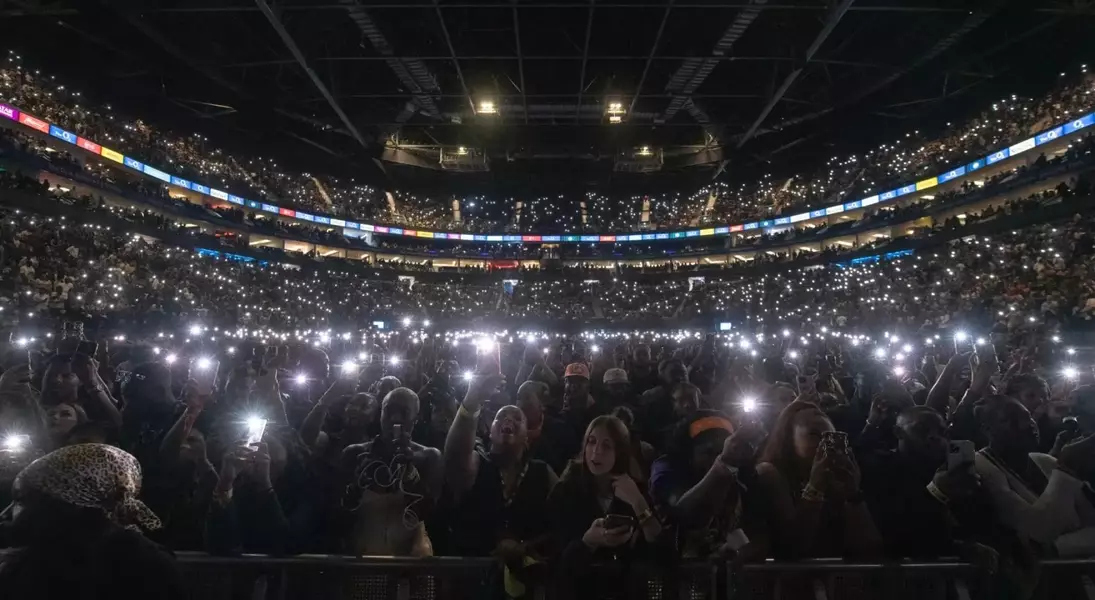
The live entertainment sector in 2025 is grappling with a paradox: while demand for concerts is robust, a growing number of tours are being cancelled due to financial pressures. Post-pandemic inflation has inflated production costs, subsequently pushing ticket prices higher. Live Nation CEO Michael Rapino recently contended that live music tickets are undervalued, especially when compared to sports events, arguing there's still significant room for price increases. This perspective, however, often clashes with the experiences of concert-goers who face escalating costs, hidden fees, and the impact of dynamic pricing and scalpers. The contentious relationship between fans, artists, and ticketing giants like Live Nation and Ticketmaster is underscored by ongoing antitrust lawsuits, yet the willingness of some consumers to pay premium prices for live experiences persists, reflecting broader economic disparities.
Live Nation CEO Michael Rapino's recent remarks at the CNBC and Boardroom’s Game Plan conference ignited debate by suggesting that concert tickets are currently \"underpriced.\" He drew a comparison with professional sports, noting the high cost of courtside seats at a Knicks game, while an $800 Beyoncé ticket elicits outrage. Rapino indicated that the average concert ticket price is around $72, implying that this figure is modest given the immersive production values of modern shows, like Beyoncé's recent tour requiring 62 transport trucks. He emphasized the substantial investment in creating an unparalleled live experience, asserting that artists often dedicate a significant portion of their earnings—up to 70% of gross revenue—to production costs.
Despite Rapino's optimistic outlook, many fans feel that the rising ticket prices do not align with their expectations. Trade publication Pollstar reported a higher average ticket cost for the top 100 worldwide tours in 2024, at approximately $135.92, with North American tours averaging $136.45. Prices varied significantly by venue, from $128.64 for stadiums to $43.95 for clubs, averaging around $83—a figure closer to Rapino's estimate. However, even with these varying averages, the sentiment among concert-goers is that tickets are becoming increasingly unaffordable due to factors beyond basic production costs.
The current landscape is further complicated by issues such as exorbitant fees, dynamic pricing—which allows ticket prices to fluctuate based on demand—and persistent problems with scalpers. The immense influence wielded by Live Nation and Ticketmaster since their 2010 merger has limited alternatives for both artists and fans, forcing them to accept the terms set by these dominant entities. This market control has drawn legal scrutiny, with the Department of Justice filing an antitrust lawsuit against Live Nation, accusing it of monopolistic practices—allegations which the company has denied. More recently, the Federal Trade Commission also filed a suit against Ticketmaster, citing concerns over hidden fees and complicity with scalping activities.
While the demand for live events remains strong, as highlighted by Rapino’s observation that \"you unite around that one shared experience,\" Pollstar’s 2024 year-end report revealed potential warning signs. The report documented an increase in concert and tour cancellations, reaching levels not seen since the Covid-19 shutdown and the 2007-2009 Great Recession. North America’s live music scene experienced a 6.79% decline in overall gross for the top 100 touring artists, from $6.63 billion in 2023 to $6.18 billion in 2024. Average gross per concert also fell by 8.78%, and the average number of tickets sold decreased by 9.16%, even as ticket prices marginally increased. This suggests a complex and potentially volatile market where consumer willingness to spend, particularly among higher-income demographics, masks underlying vulnerabilities in the live entertainment economy.
