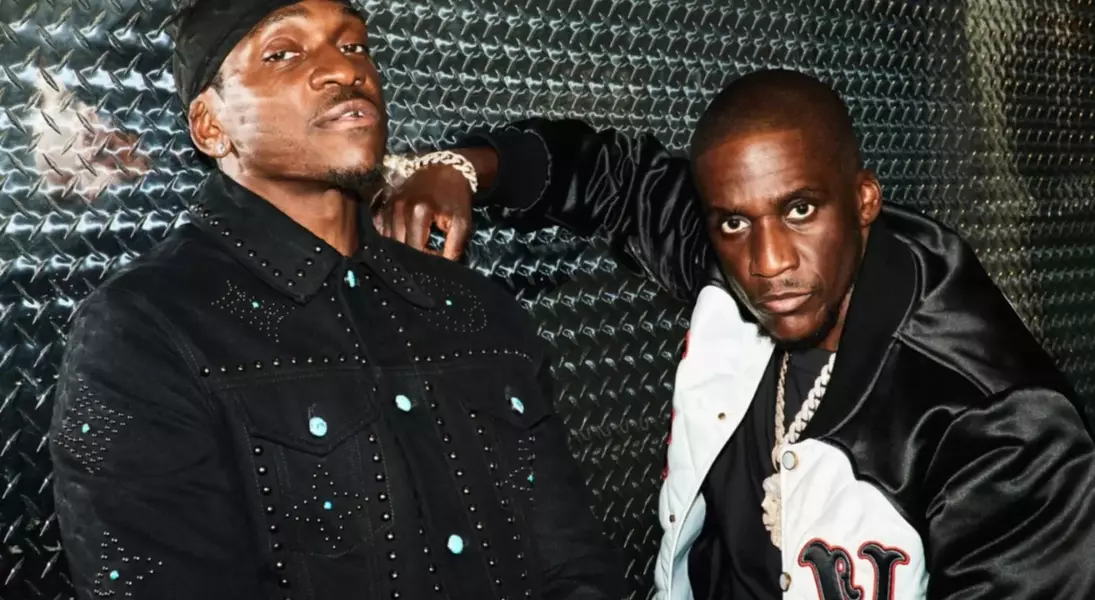
In an era dominated by unconventional marketing strategies and direct-to-fan digital releases, Clipse's album, 'Let God Sort Em Out,' stands out as a remarkable success story built on the foundations of traditional media engagement. The duo's meticulous and extensive promotional campaign, which included in-depth interviews with reputable journalists, captivated audiences and resulted in an impressive debut at number four on the Billboard Hot 200, with 118,000 units sold in its initial week. This strategic approach provided a refreshing contrast to the often superficial promotional tactics prevalent in today's music landscape, proving that a well-executed, classic rollout can still yield exceptional results.
The journey toward this triumphant release commenced well in advance of the album's official drop. Months were dedicated to strategic planning, allowing for a comprehensive media blitz. This included significant features in established publications like Vulture and Rolling Stone, providing fans with deep insights into the group's journey and creative process. The promotion extended to a high-profile radio premiere of their track “So Be It” on Hot 97, which ingeniously led to an MP3 scavenger hunt, a nod to the engaging fan interactions of the mid-2000s. These deliberate steps fostered a sense of nostalgia among seasoned hip-hop enthusiasts, who appreciated the return to a more substantive form of artist-audience connection.
A pivotal aspect of Clipse’s promotional success was their deliberate choice to engage with experienced journalists, distinguishing their approach from many contemporary artists who often favor less rigorous interviews with content creators or fellow entertainers. While they did participate in discussions with podcasters, their priority remained with professional interviewers capable of asking incisive follow-up questions and navigating complex topics. This commitment ensured that their narrative was conveyed with depth and accuracy, providing valuable context that ephemeral social media interactions often lack. Malice and Pusha T, known for their eloquent and thoughtful commentary, leveraged these platforms to share their unique perspectives, including Malice's return to the rap scene and Pusha T's insights into industry dynamics.
The duration of this campaign also played a crucial role. The ample time between the album's completion and its release allowed for a carefully orchestrated publicity run, demonstrating the foresight of their management team, notably Steven Victor, who brought his background in public relations to the forefront. Unlike artists who rely solely on social media or fleeting online trends, Clipse engaged in numerous interviews, maintaining audience interest with their rich personal stories and profound insights into the craft of hip-hop. This ability to sustain engagement over multiple media appearances highlights their communicative prowess and the enduring relevance of their artistic narrative.
Despite the overwhelming positive reception, the rollout was not entirely devoid of critical scrutiny. A Pitchfork review, which assigned the album a 6.5 out of 10, sparked debate by criticizing Pharrell’s contribution. This isolated dissenting opinion, while met with widespread online condemnation, underscored a broader misunderstanding within some segments of the audience regarding the function of music criticism. Nevertheless, this incident did little to detract from the overall success and impact of Clipse’s strategy, which ultimately showcased the enduring power of high-quality lyricism and robust journalism in shaping cultural discourse.
The success of Clipse’s album launch provides compelling evidence that traditional media remains a vital component of a successful promotional strategy within the music industry. Their method demonstrated that when artists offer a compelling narrative, supported by impactful music and a willingness to engage authentically with discerning journalists, it can resonate profoundly with a public eager for depth and substance. This summer’s experience, where skilled lyricists and talented journalists collaborated, offered a nostalgic glimpse into a past era of music promotion, affirming the mutual value of both artistic and journalistic integrity in an evolving media landscape.
