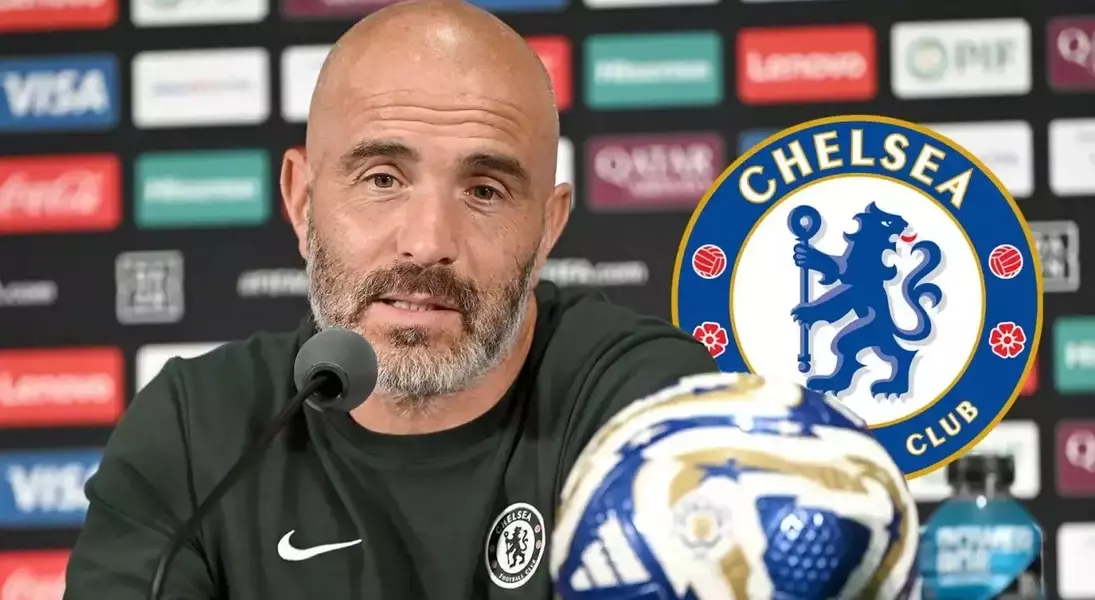
Chelsea Football Club finds itself navigating a perplexing situation regarding its defensive lineup, as an accumulation of injuries has severely depleted its options. Despite this growing crisis, manager Enzo Maresca maintains a firm stance on sidelining defender Axel Disasi. This decision has sparked considerable debate, particularly given the team's pressing need for available central defenders. The treatment of Disasi and Raheem Sterling, both training in isolation after being deemed surplus to requirements, underscores a seemingly unyielding approach from the club's management.
Maresca's public comments have further fueled the controversy, notably his dismissive response to questions concerning the psychological impact of such exclusion on players. This pragmatic, almost cold, management style has drawn parallels to past footballing 'bomb squads' and has led to criticism from former professionals, who view it as potentially detrimental to player welfare. The ongoing refusal to reintegrate Disasi, even as the injury list lengthens, raises significant questions about the club's strategy and the manager's willingness to adapt in times of adversity.
The Unfolding Defensive Crisis at Stamford Bridge
Chelsea is currently grappling with a significant defensive challenge, marked by an increasing number of sidelined players. This situation has intensified the focus on manager Enzo Maresca's contentious decision to exclude defender Axel Disasi from the main squad. Despite a growing list of unavailable central defenders, Maresca has steadfastly refused to consider Disasi for selection, highlighting a rigid approach to squad management that has left many observers puzzled. The club's continued marginalization of Disasi, even as the team faces a shortage of fit players, suggests a deep-seated belief within the hierarchy that the player is not a viable option, regardless of the circumstances. This stance comes at a critical time for Chelsea, with upcoming fixtures demanding a robust and adaptable defense.
The unfolding events have shed light on the stark realities of modern football management, where players not part of the manager's immediate plans can find themselves in professional limbo. Disasi, alongside Raheem Sterling, has been compelled to train separately from the main squad following an unsuccessful attempt to secure a transfer during the summer. This isolation, while technically allowing them to maintain fitness, creates a challenging environment both physically and mentally. The PFA has reportedly intervened to ensure these players have access to adequate training facilities, acknowledging the potential psychological toll of such exclusions. However, Maresca's public remarks, which appeared to downplay the mental health implications for the players, have only intensified the scrutiny on Chelsea's handling of the situation. His insistence that Disasi is not 'an option' underscores a firm, almost unyielding, position that prioritizes club policy over immediate team needs, even in the face of an escalating injury crisis.
Managerial Philosophy Versus Player Welfare: The Disasi Conundrum
Enzo Maresca's management style at Chelsea has come under intense scrutiny, particularly concerning his handling of Axel Disasi amidst a mounting injury crisis. His public dismissal of concerns about players' mental well-being when isolated from the main squad has been met with significant criticism. This highlights a perceived tension between the manager's pragmatic approach to squad composition and the growing emphasis on player welfare in professional sports. Maresca's unwavering decision to keep Disasi out of contention, even as the team struggles with a lack of fit defenders, suggests a philosophical conviction that overrides tactical flexibility or empathetic consideration. This firm stance has led many to question the balance between maintaining squad discipline and ensuring the holistic well-being of individuals within the club.
The situation surrounding Disasi raises broader questions about the power dynamics within football clubs. Despite the team's dire need for defensive cover, Maresca's refusal to even entertain the idea of reintegrating Disasi speaks volumes about the perceived shortcomings of the player in the manager's eyes, or perhaps an adherence to a non-negotiable club directive. This inflexibility, especially when alternative options like young prospects or players out of position might be considered, appears to be a deliberate strategy to reinforce certain standards or expectations within the squad. The implications extend beyond immediate match results, touching upon the psychological resilience required of players in such circumstances and the potential long-term impact on their careers. The ongoing debate encapsulates the complex challenges faced by clubs in balancing competitive demands, financial prudence, and the human element of managing professional athletes.
