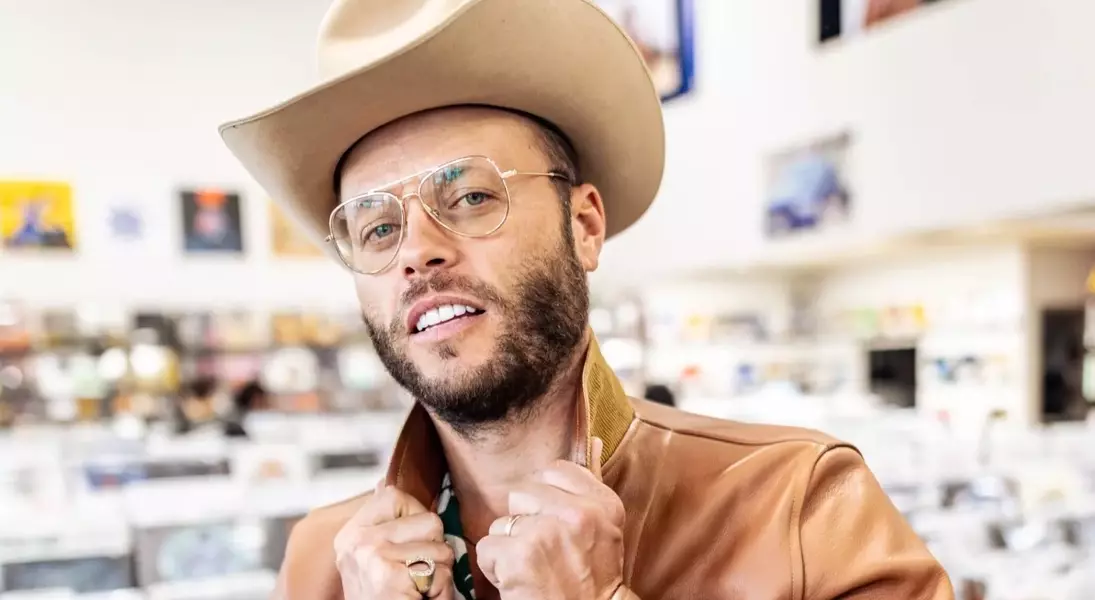
Charley Crockett finds himself in the spotlight, not only for his latest musical offering, but also for a spirited debate surrounding the essence of country music. His recent comments on authenticity have ignited a public exchange with another artist, prompting a deeper dive into the distinctions between traditional and contemporary country sounds. Crockett firmly challenges the prevailing narrative, suggesting that the spirit of 'outlaw country' is foundational, with modern 'pop country' merely a derivative, often lacking substantive artistic expression.
This ongoing discussion underscores a broader tension within the music industry: the struggle between artistic integrity and commercial pressures. Crockett’s vocal stance on this matter highlights a desire for artists to resist conformity and maintain a genuine connection to their musical roots, even in the face of widespread commercial trends. His perspective resonates with many who believe that true artistic value transcends committee-driven songwriting and auto-tuned performances, advocating for a return to the raw, unpolished sincerity that defined earlier eras of country music.
The Outlaw Versus Pop Country Debate
Charley Crockett's recent emergence into the public discourse stems from both his new album, 'Dollar a Day,' and a high-profile online disagreement with country singer Gavin Adcock. The controversy was sparked when Crockett expressed his thoughts on the genuine nature of country music through an Instagram post. This commentary led Adcock to provocatively dismiss Crockett as a 'cosplay cowboy,' intensifying the public debate between the two artists. The exchange has drawn considerable attention within the country music community and beyond, highlighting differing philosophies on musical authenticity and commercialism.
In a subsequent interview on Rolling Stone’s 'Nashville Now' podcast, Crockett elaborated on his unique perspective regarding the definition of country music. He controversially asserted that 'outlaw country' should not be considered a subgenre of commercial country. Instead, he argued that contemporary 'pop country' is actually a subgenre of the outlaw style. Crockett critically described the pop-country industry as largely devoid of substance, characterizing it as superficial and driven by corporate interests. He specifically criticized what he perceives as a reliance on Auto-Tune and songs crafted by committees, contending that these practices undermine the core principles of genuine artistic expression. According to Crockett, the original outlaw movement was a rebellion against a rigid music business system, fighting for artistic freedom and integrity. He believes that the current commercial landscape, with its emphasis on mass production and marketability, discourages the emergence of truly controversial or independent artistic voices.
Charley Crockett's Stance on Authenticity
Crockett’s public statements about musical integrity have positioned him as a prominent voice in the ongoing conversation about country music’s direction. His direct challenge to the commercialized aspects of 'pop country' resonates with listeners who long for a return to the genre’s more traditional and emotionally raw roots. This commitment to an unadulterated musical form is a defining characteristic of his artistry, earning him both fervent support and critical scrutiny from different factions within the music world.
The feud with Gavin Adcock further solidified Crockett’s reputation as an uncompromising artist who prioritizes artistic truth over commercial appeal. Despite Adcock’s provocations, Crockett maintained a measured response, eventually encapsulating his steadfast resolve in an Instagram post. In this message, he emphasized his musical origins, his upbringing by a single mother, and his resilience in the face of adversity. This powerful declaration underscored his unwavering commitment to his artistic vision, reinforcing his belief that his music is a product of his lived experiences and heritage, rather than a calculated industry construct. His continued defiance of conventional norms and his dedication to heartfelt musical expression mark him as a significant figure in the evolving landscape of country music.
