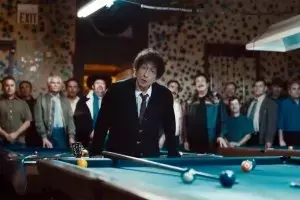
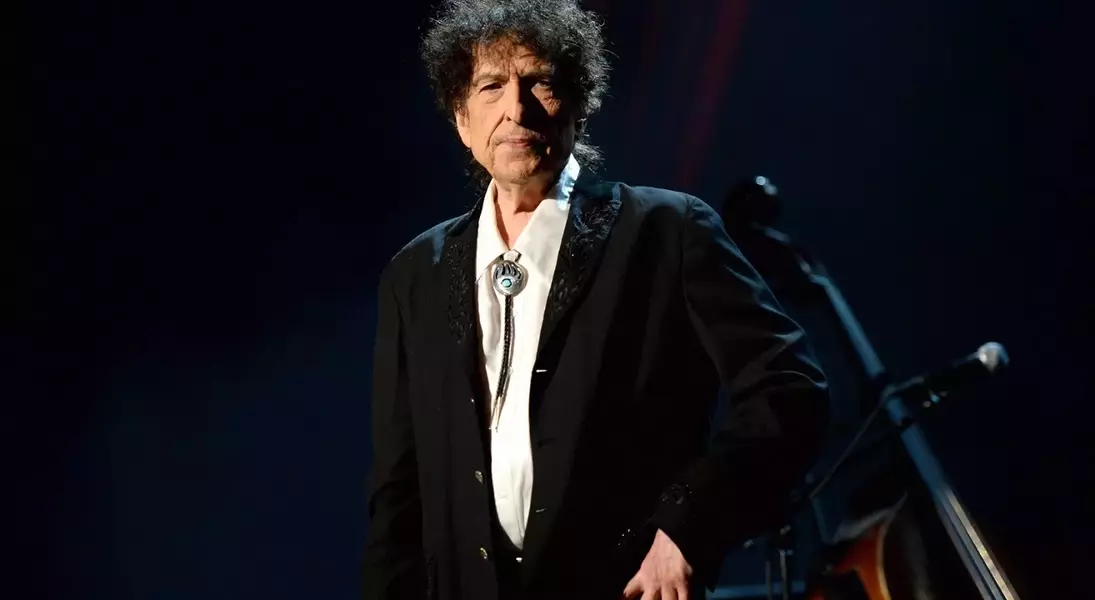
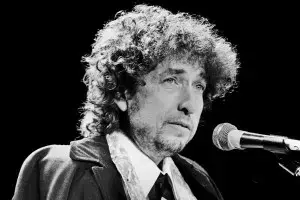
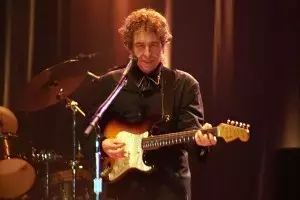
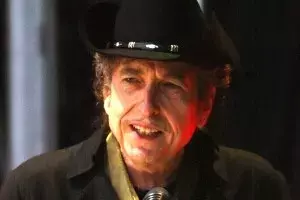
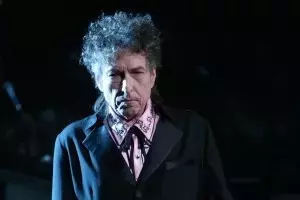
Bob Dylan, an artist synonymous with lyrical depth and musical innovation, has, throughout his career, often defied expectations. A recent instance that underscored his unpredictable nature was his unexpected interaction with Machine Gun Kelly. What began with Dylan sharing an old video of MGK freestyling on Instagram, much to the rapper's astonishment, evolved into Dylan lending his distinctive voice to the trailer for MGK's latest album, \"Lost Americana.\" This collaboration, seemingly disparate given their differing artistic styles, hinted at a meeting between the two musicians, adding another intriguing chapter to Dylan's storied history of unconventional public engagements. This event, far from being an isolated incident, serves as a testament to Dylan's long-standing pattern of surfacing in the most surprising corners of popular culture.
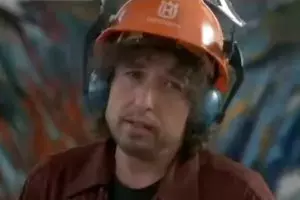
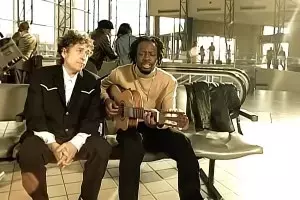
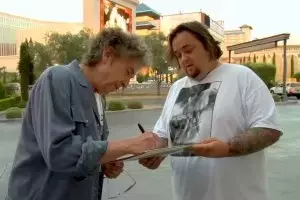
Throughout the decades, Dylan has consistently ventured beyond the traditional confines of music, gracing diverse platforms that have often bewildered his most dedicated followers. From his participation in the \"Sun City\" anti-apartheid anthem, where he briefly appeared alongside a constellation of music stars, to his rapid-fire rap contribution on Kurtis Blow's \"Street Rock\"—an unusual venture into hip-hop born from a studio exchange—Dylan has shown a willingness to engage with contemporary trends and social causes. His appearances on Chabad telethons in the late 1980s and early 1990s, where he notably sang \"Hava Nagila\" with Harry Dean Stanton, offered a rare glimpse into his renewed connection with his Jewish heritage. Furthermore, his roles in cinema, such as the widely panned \"Catchfire\" directed by Dennis Hopper, and his unexpected cameo in the sitcom \"Dharma and Greg,\" further illustrate his experimental approach to public persona. The 2004 Victoria's Secret commercial, featuring Dylan alongside model Adriana Lima, and his songwriting collaboration with Gene Simmons, culminating in the track \"Waiting for the Morning Light,\" continued this trend of surprising cross-industry ventures. Even reality television was not immune to his enigmatic presence, as evidenced by his appearance on \"Pawn Stars,\" a moment that sparked much debate over its authenticity. Finally, his narratives for Cadillac Escalade and Chrysler commercials, providing a voice to the American automotive industry, showcased a pragmatic side, demonstrating that even a legend like Dylan is not immune to the commercial landscape.
Bob Dylan's recurring presence in seemingly incongruous pop culture contexts highlights his enduring influence and adaptability as an artist. These varied appearances, whether a brief rap verse or a commercial narration, collectively paint a picture of a singular talent who navigates the public sphere on his own terms. His choices remind us that true artistry transcends conventional boundaries, encouraging us to embrace new experiences and recognize the value in unexpected connections. Dylan's journey, marked by innovation and a steadfast refusal to be easily categorized, embodies a spirit of creative freedom that continues to inspire and resonate, proving that even in the most unforeseen places, art finds a way to leave its indelible mark.
