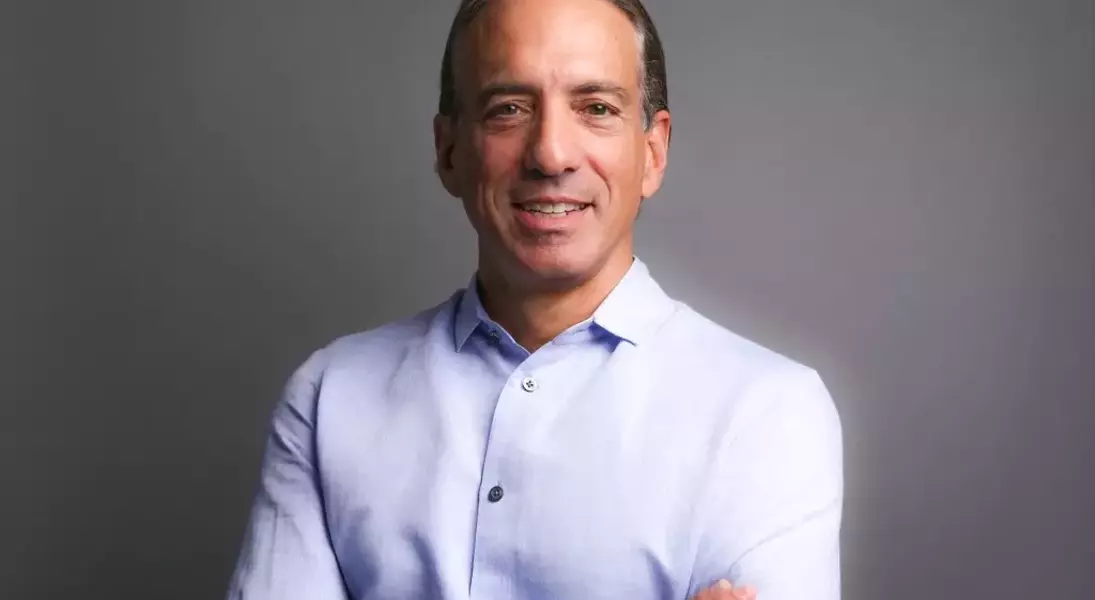
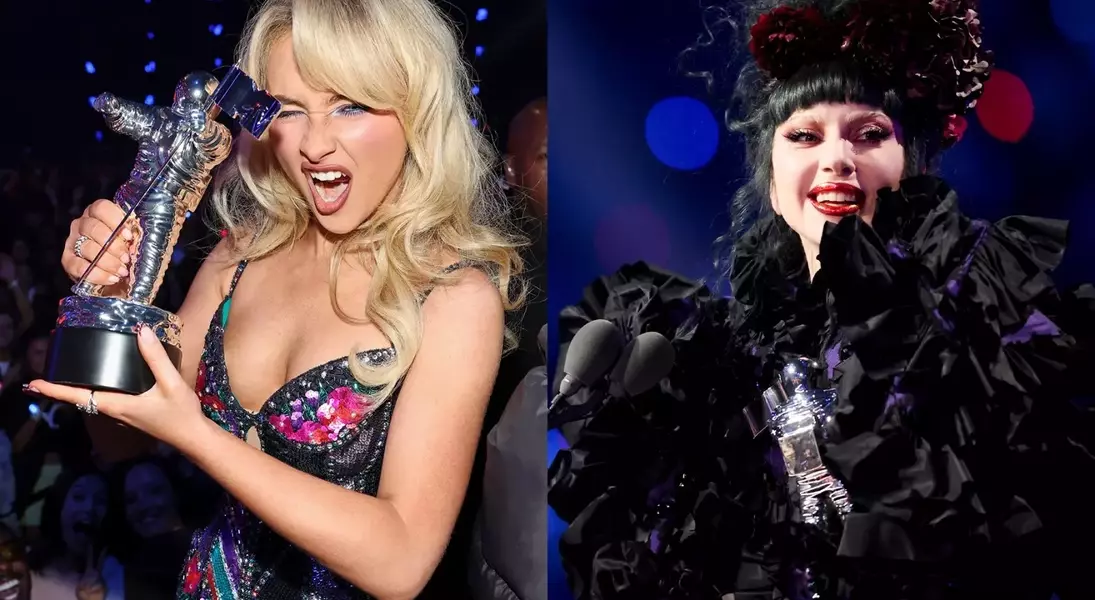
Van Toffler, the seasoned producer behind the 2025 MTV Video Music Awards, offered a candid look into the intricate process of staging such a large-scale event. His insights spanned the delicate balance of featuring both iconic and rising musical talents, managing the unexpected logistical hurdles that arise with major artists like Lady Gaga, and adapting to unforeseen technical glitches during live performances. Toffler underscored the evolving landscape of audience engagement, highlighting the show's massive online reach as a key indicator of its cultural relevance, transcending traditional television viewership metrics.
The conversation also delved into the evolving dynamics of artist performances, touching upon the generational shift in how young artists approach mental health discussions in public forums, as well as the creative choices artists make regarding live singing versus pre-recorded tracks. Toffler emphasized that the success of the VMAs is increasingly defined by its impact on the cultural zeitgeist and its ability to connect with audiences across various digital platforms, showcasing the enduring power of music and live entertainment in the modern era.
Balancing Stardom and Emerging Talent
In producing the 2025 MTV Video Music Awards, Van Toffler faced the challenge of curating a diverse lineup that appealed to various demographics across different viewing platforms, including MTV, CBS, and Paramount+. This necessitated a blend of performances from legendary artists with extensive catalogs and fresh faces representing the next wave of music. Toffler explained that the goal was to seamlessly integrate new acts alongside established stars, ensuring that emerging artists, like Sombr, Conan Gray, and Megan Moroney, received significant exposure without overwhelming the audience. This strategic curation aimed to create a cohesive show that celebrated both contemporary hits and musical heritage, requiring a careful balance to satisfy a broad spectrum of viewers.
Toffler detailed the meticulous thought process behind positioning each artist within the show's flow, describing it as a mix of artistic vision and scientific planning. He noted that observing rehearsals and understanding the nuances of each performance were crucial in deciding the optimal sequence. The producer admitted that despite best efforts, securing every desired artist, such as Beyoncé, Justin Bieber, or Taylor Swift (when she's not in her album cycle), was not always possible due to scheduling conflicts or other commitments. He humorously recounted his ambition to have Harry Styles and Stevie Nicks perform together, illustrating the high aspirations involved in booking talent. Ultimately, the production strived to present the best possible show by maximizing the available talent and creating memorable moments that resonated with the audience.
Navigating Production Complexities and Cultural Impact
The 2025 VMAs were not without their share of logistical and technical challenges. Toffler recounted the intense coordination required for Lady Gaga's appearance, which involved a rapid transit from Madison Square Garden to the VMA venue and back, complete with a police escort. He acknowledged the pressure of managing such tight schedules and the inevitable hiccups, such as microphone height issues that affected performances, citing a humorous anecdote about Steven Tyler's constant mic adjustments. The producer also touched upon the creative and technical complexities of specific performances, like Sabrina Carpenter's rain-soaked number and Tate McRae's elaborate elements, which demanded significant effort from the production team to execute flawlessly. Each artist's unique requirements added layers of complexity, from stage setup to technical support.
Beyond the technical aspects, Toffler reflected on the show's broader cultural implications. He observed the growing trend of young artists openly thanking their therapists, indicating a generational shift in attitudes towards mental health, a topic that would have been unconventional two decades ago. He also addressed audience feedback regarding the types of commercials aired, particularly those from governmental agencies, emphasizing that ad content is beyond the show's direct control. For Toffler, the ultimate measure of the VMAs' success transcended traditional linear TV ratings, shifting towards its expansive digital footprint. The staggering billion-plus views of VMA content across various online platforms highlighted the show's profound resonance with contemporary audiences, particularly younger generations who consume media digitally, cementing its status as a significant cultural event that continues to evolve with changing consumption habits.
