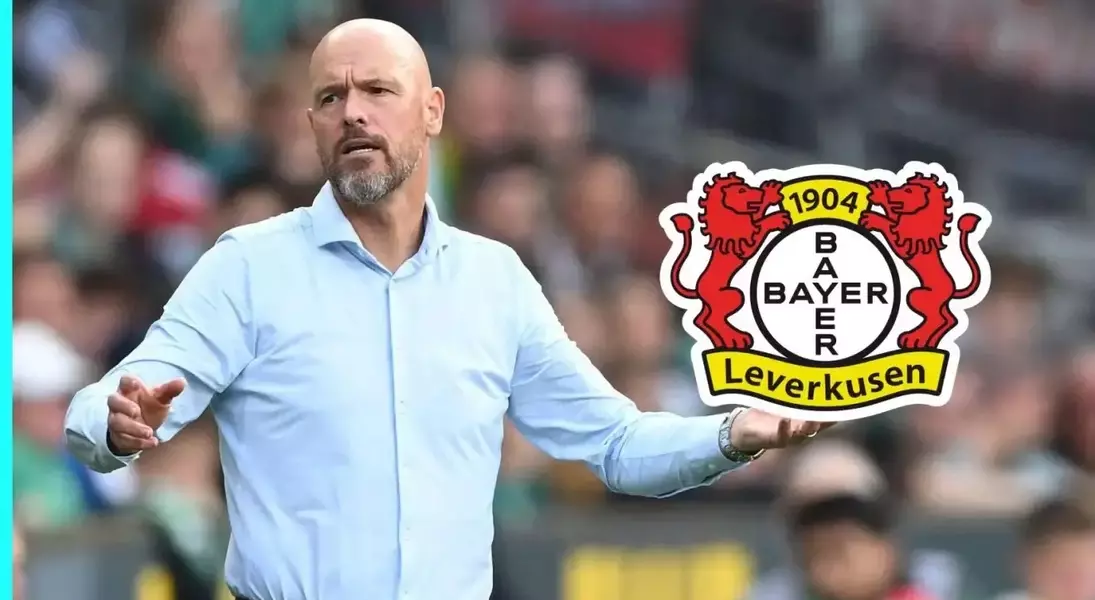
In a swift and unexpected turn of events, Erik ten Hag, previously at the helm of Manchester United, has been relieved of his duties as manager of Bayer Leverkusen. His tenure at the German club was remarkably brief, lasting only three matches. This abrupt departure stems from a challenging start to the league campaign, which saw the team secure a draw and suffer a loss, coupled with reported discord between Ten Hag and the club's leadership. The decision underscores the high-stakes environment of professional football, where immediate results and harmonious internal relationships are paramount for managerial longevity.
The Dutchman's appointment at Leverkusen had only occurred this summer, taking over from Xabi Alonso. However, his brief stint was reportedly fraught with internal disagreements, which, combined with the team's less-than-ideal start in the Bundesliga – a draw and a defeat from their opening two league games – led to his premature dismissal. This rapid change in leadership signals the club's unwavering commitment to its seasonal objectives and the belief that a new direction is necessary to achieve them.
Simon Rolfes, the managing director of sport at Bayer Leverkusen, articulated the club's stance on the matter, expressing that the decision was far from easy but ultimately deemed necessary. He highlighted the challenges faced in constructing a successful team under the existing arrangement, indicating a fundamental incompatibility that hindered progress. Fernando Carro, the CEO, further elaborated on the painful yet essential nature of the parting, emphasizing the club's unwavering dedication to its ambitions and the need for optimal conditions across all levels of the team. This unified message from the leadership suggests a decisive move aimed at course correction.
The immediate catalyst for this managerial change appears to be a 3-3 draw against Werder Bremen, a match that also saw team captain Robert Andrich openly criticize his teammates' performance and attitude. Andrich's candid remarks painted a picture of disunity, with players seemingly prioritizing individual concerns over collective success, a situation he deemed unprecedented in his time at Bayer. He specifically pointed to issues like indecision during critical moments, such as penalty taking, as symptomatic of deeper problems within the squad, unrelated to transfer market speculation or other external pressures.
Furthermore, Ten Hag's task was undoubtedly complicated by a significant exodus of key players during the summer transfer window. The squad that had previously enjoyed an undefeated league campaign under Xabi Alonso in 2023-24 saw integral figures such as Florian Wirtz, Jeremie Frimpong, Amine Adli, Odilon Kossounou, and Granit Xhaka all move on, while Alonso himself departed for Real Madrid. This substantial reshaping of the team presented a formidable challenge for any new manager. Ten Hag himself acknowledged the difficulty of losing valuable players, stating that while it "hurts," it also creates opportunities for others to step up and assume greater responsibility.
The brief and unsuccessful tenure at Bayer Leverkusen marks Erik ten Hag's second successive managerial dismissal, following his departure from Manchester United in October 2024. This latest development adds another chapter to his recent coaching career, underscoring the precarious and demanding nature of managing at the highest echelons of professional football, where sustained success is the ultimate measure of performance.
