This piece offers an in-depth look at FC Barcelona's contemporary issues, spanning player development, injury management, stadium financing, and the intricate world of football economics. It synthesizes fan inquiries and expert analysis to provide a holistic overview of the club's trajectory amid various challenges.
Navigating the Storm: Barcelona's Present and Future
The Phenomenon of Lamine Yamal: Youthful Brilliance Amidst Scrutiny
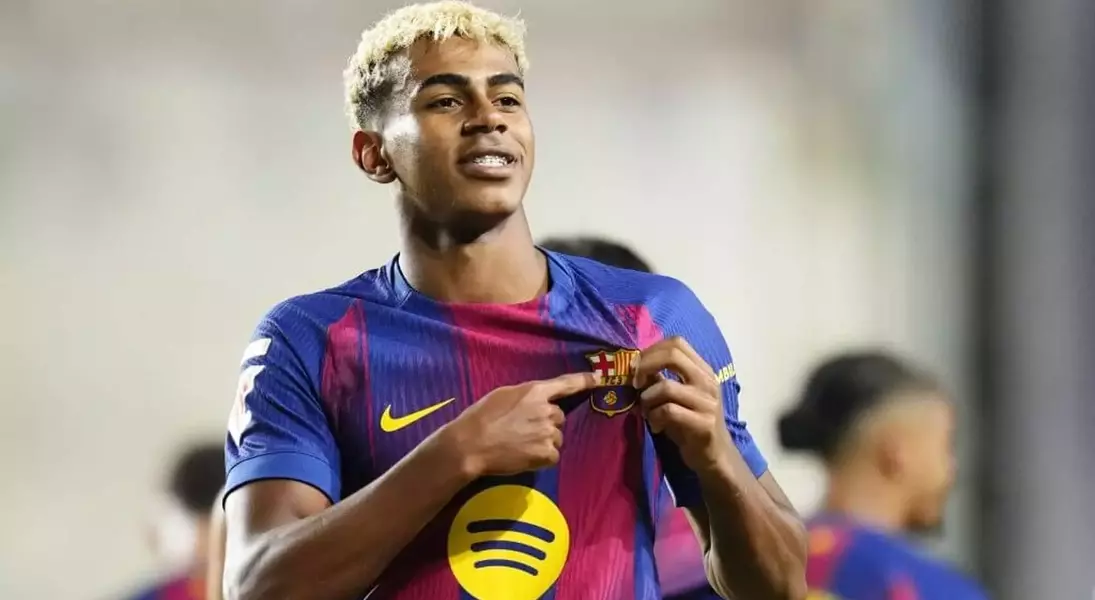
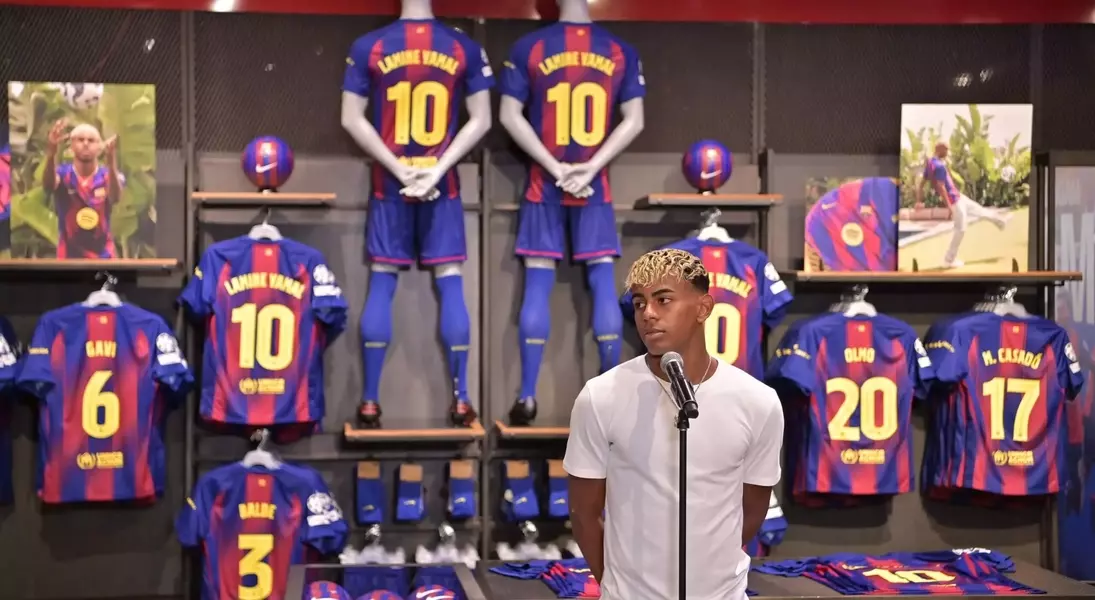
The remarkable rise of Lamine Yamal has captivated the football world, yet his rapid ascent also brings unique challenges. At just 18, his influence on the pitch is undeniable, having already contributed significantly to major titles. However, off-field narratives concerning his personal life have emerged. While some express worry, drawing parallels to past talents whose careers were curtailed by lifestyle choices, many within the club and the broader football community see a resilient individual. Yamal's ability to remain focused despite intense public and media attention, coupled with his stated dedication to his family's financial well-being, suggests a maturity beyond his years. His unparalleled early success positions him as a generational talent, demanding patience and careful observation as he navigates the pressures of global stardom.
Injury Setbacks: Gavi and Frenkie de Jong's Road to Recovery
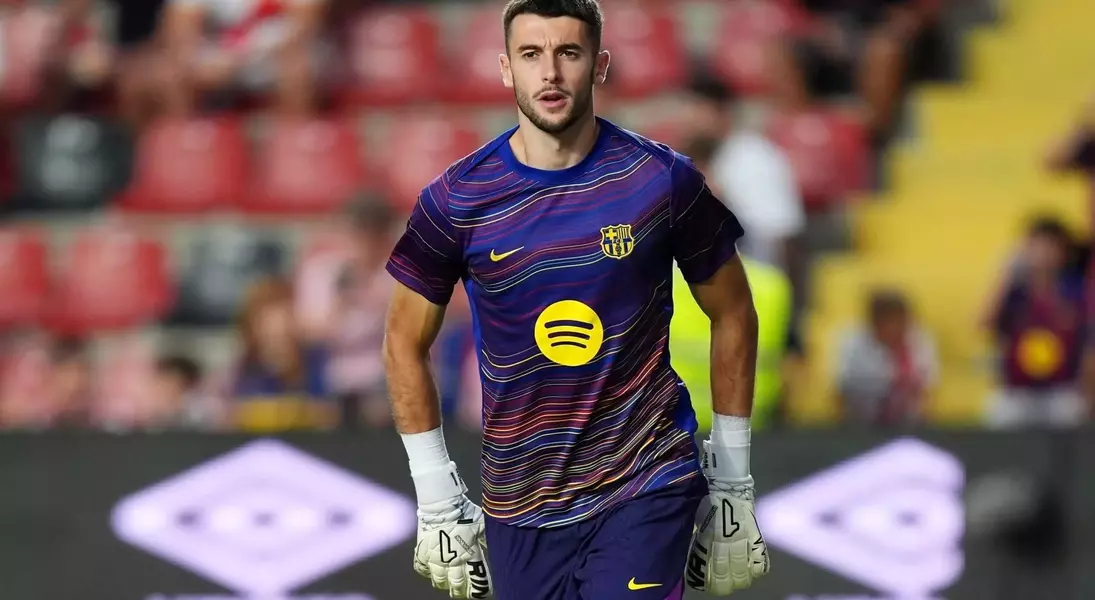
Barcelona's squad depth is being tested by recent injuries to key midfielders, Gavi and Frenkie de Jong. De Jong's condition appears less severe, with expectations of his return to full fitness for upcoming fixtures, though he may not feature in the immediate next match. Gavi's situation, however, is more concerning, involving his previously operated knee meniscus. The club is pursuing a conservative treatment approach to avoid further surgery, a decision that weighs heavily on the young player who had aimed for a season of consistent performance to solidify his role. These injuries highlight the physical demands of modern football and the delicate balance clubs must strike between player welfare and competitive aspirations.
Raphinha's International Commitments and Contractual Status
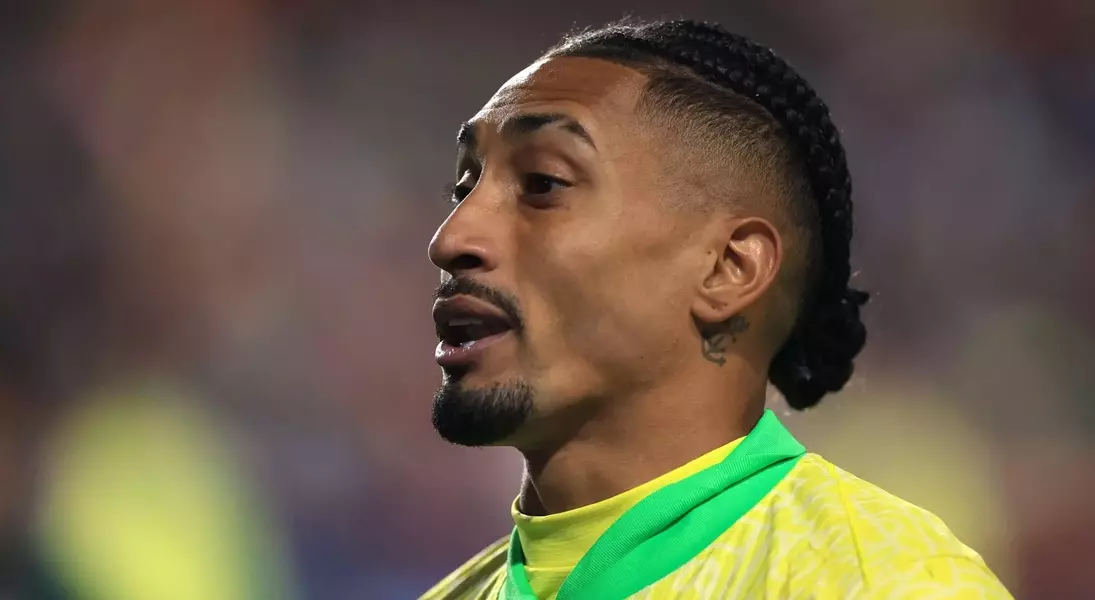
The decision to call up Raphinha for international duty, despite Brazil's secured qualification, has sparked debate, particularly given the logistical strain of extensive travel and a high-altitude match. This raises questions about player management and the potential for fatigue or injury. Raphinha's contract with Barcelona extends until 2028, reflecting the club's long-term commitment to the player. The discussion also touches upon potential reinforcements from Barca Atletic, with 18-year-old left-back Jofre Torrents identified as a promising talent who could step up, especially with Alejandro Balde's current injury absence. Such youth integration is crucial for maintaining squad competitiveness and aligning with the club's investment in future talent.
Camp Nou Renovation: A Financial Conundrum for Barcelona
The ambitious Camp Nou renovation project has ignited discussions about its timing, especially in light of Barcelona's post-pandemic financial vulnerabilities. Critics ponder whether postponing the project until the club achieved greater financial stability would have been a more prudent course of action, or if earlier opportunities for renovation were missed during more prosperous times. With the club's substantial long-term debt and the significant investment required for the stadium, the financial implications are profound. However, proponents argue that increased revenue streams from a modernized stadium are essential for the club's long-term financial health and competitive standing, portraying it as a necessary, albeit costly, strategic move for future prosperity.
The Intricacies of Football Transfers and La Liga's Financial Rules
The disparity in transfer spending between leagues, particularly between the Premier League and La Liga, often puzzles observers. This gap is largely attributed to differences in TV rights distribution, which disproportionately benefits English clubs and creates a challenging environment for newly promoted teams in Spain. Furthermore, the robust player trading market in England, driven by homegrown player quotas and established talent valuation, allows Premier League clubs to recoup significant funds from sales. In contrast, member-owned clubs like Barcelona face constraints on direct owner investment. La Liga's strict salary cap rules, tailored to individual club revenues, further limit spending on player wages and new registrations, compelling Barcelona to adopt creative financial strategies to comply and remain competitive.
Barcelona's Unique Economic Framework and Strategic Responses
Barcelona's financial structure, as a member-owned entity, presents distinct challenges compared to clubs with individual billionaire owners. This model necessitates a reliance on diverse revenue streams and careful financial management, especially under the stringent regulations of La Liga's salary limit. These rules, designed to prevent financial collapse, dictate how much clubs can spend on player salaries based on their income. Consequently, Barcelona often finds itself in a position where, despite having funds for transfers, it cannot register new players without first reducing its wage bill or significantly boosting its revenue. This regulatory environment has prompted the club to devise innovative solutions to navigate player registrations and ensure competitiveness within the league's financial framework.
Linguistic and Editorial Choices: The 'Barca' vs 'Barça' Debate
A recurring point of contention among fans and linguists alike is the journalistic convention of omitting diacritics, specifically the cedilla in 'Barça,' opting instead for 'Barca.' This editorial decision, while consistent with the publication's style guide, particularly in football coverage, contrasts with its policy in other sports sections where accents are utilized. The debate underscores the importance of linguistic accuracy and cultural representation, particularly for Catalan speakers who value the correct orthography. Despite the passionate arguments for 'Barça,' the publication maintains its standardized approach, explaining that it is a matter of internal style rather than political or regional bias, humorous noting the editor's non-Madrid origins.
